
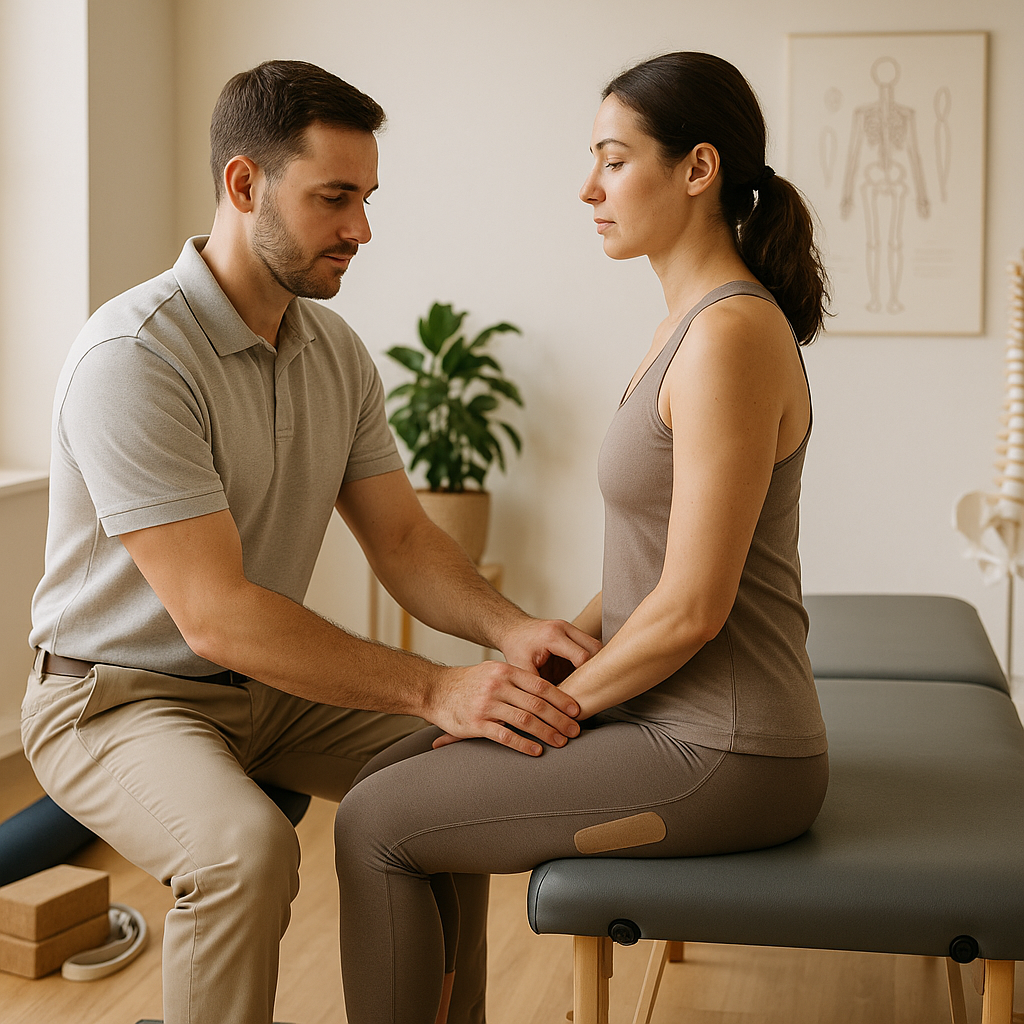
Understanding Yoga-Related Injuries and the Role of Chiropractic Care
Yoga has long been celebrated as a holistic practice that promotes flexibility, strength, mental clarity, and overall well-being. Millions of individuals across the globe incorporate yoga into their daily routines, seeking both physical and emotional balance. However, despite its reputation as a gentle and restorative discipline, yoga is not without its risks. Overstretching, improper alignment, and repetitive strain can lead to a variety of injuries — some of which can be surprisingly significant. When these injuries occur, many practitioners turn to a yoga injury chiropractor for effective, non-invasive treatment and recovery support.
Chiropractic care offers a well-established, evidence-informed approach to managing musculoskeletal conditions, making it a natural fit for addressing the types of injuries commonly sustained during yoga practice. Understanding how chiropractors approach these injuries can help practitioners make informed decisions about their health and recovery.
Common Yoga-Related Injuries Seen in Chiropractic Clinics
Before exploring the chiropractic approach to treatment, it is important to understand the most prevalent types of injuries that yoga practitioners experience. These injuries span a broad range of the musculoskeletal system and often involve the spine, joints, and surrounding soft tissues.
- Lower back strain: One of the most reported complaints, often resulting from forward folds, backbends, or twisting postures performed with poor form.
- Neck and cervical spine injuries: Frequently associated with poses such as the headstand, shoulder stand, or fish pose, where excessive pressure is placed on the cervical vertebrae.
- Hamstring tears and strains: Common in practitioners who push too aggressively into deep forward bends or splits without adequate warm-up.
- Sacroiliac joint dysfunction: Often triggered by extreme hip-opening postures that place undue stress on the pelvic joints.
- Wrist and shoulder injuries: Resulting from weight-bearing poses such as downward-facing dog, plank, or arm balances, particularly when the joints are misaligned.
- Knee ligament stress: Associated with deep lunges, lotus pose variations, and other postures that place rotational force on the knee joint.
Each of these conditions benefits from a tailored chiropractic evaluation, as the underlying causes and contributing factors vary considerably from one individual to the next. Seeking yoga pain treatment from a qualified chiropractor ensures that the root cause of the discomfort is identified and addressed systematically.
The Initial Chiropractic Assessment for Yoga Injuries
When a yoga practitioner presents to a chiropractic clinic with pain or dysfunction, the process begins with a comprehensive assessment. This is a critical step that distinguishes chiropractic care from symptomatic pain management. Rather than simply addressing the site of discomfort, a chiropractor seeks to understand the full biomechanical picture.
The assessment typically includes the following components:
- Detailed patient history: The chiropractor will inquire about the practitioner’s yoga experience, the frequency and intensity of practice, the specific poses or sequences that preceded the injury, and any previous musculoskeletal concerns.
- Postural analysis: An evaluation of how the patient holds their body in standing, seated, and functional positions. This can reveal compensatory patterns that may have contributed to the injury.
- Range of motion testing: Assessing the degree of mobility in the affected joints and comparing it to normal functional benchmarks.
- Orthopedic and neurological examination: Specific clinical tests to identify the involved structures, rule out serious pathology, and determine the nature of the injury — whether it involves joints, muscles, ligaments, or nerves.
- Palpation: Manual examination of the spine and soft tissues to identify areas of tenderness, muscle spasm, joint restriction, or misalignment.
In some cases, referral for diagnostic imaging such as X-rays or MRI may be recommended to gain a more complete understanding of the injury. This thorough approach ensures that the treatment plan is both safe and appropriately targeted.
Chiropractic Adjustment as a Primary Treatment for Yoga Strain
At the core of chiropractic care is the spinal adjustment — a precise, controlled manual force applied to specific joints of the spine or extremities. In the context of yoga strain chiropractic treatment, adjustments serve several important therapeutic purposes.
When a yoga posture injury disrupts the normal alignment of the spinal vertebrae or peripheral joints, it can create what chiropractors refer to as a subluxation or joint restriction. This altered joint mechanics can cause local pain, reduced range of motion, nerve irritation, and muscle tension. Chiropractic adjustments work to restore proper joint alignment and mobility, facilitating the body’s natural healing processes.
The specific benefits of chiropractic adjustment for yoga-related injuries include:
- Restoration of normal joint mechanics and range of motion
- Reduction of pain through neurological modulation
- Alleviation of muscle guarding and spasm
- Improved circulation to the affected area, supporting tissue healing
- Reduction of inflammation through improved biomechanical function
It is worth noting that chiropractic adjustments are carefully adapted to the individual’s specific condition, age, and overall health. Gentle, low-force techniques are often employed in cases involving acute injury, inflammation, or heightened sensitivity, ensuring patient safety and comfort throughout the treatment process.
Soft Tissue Therapies in Yoga Injury Rehabilitation
Chiropractic care extends well beyond spinal adjustment.













