
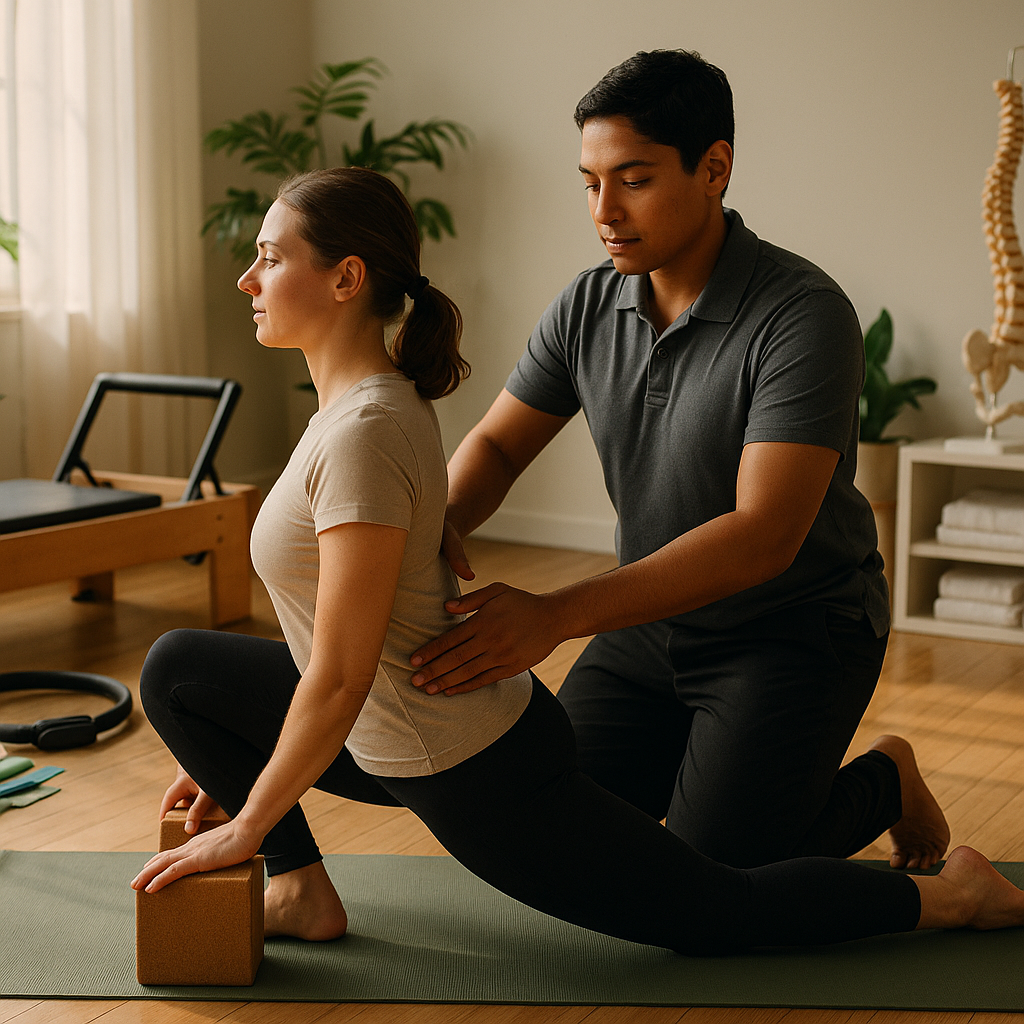
Understanding the Chiropractic Perspective on Yoga and Pilates
Yoga and Pilates have earned widespread recognition as powerful tools for improving flexibility, strength, posture, and mental well-being. However, from a chiropractic standpoint, not all movements within these disciplines are created equal. Chiropractors bring a unique clinical lens to these popular practices, helping patients understand which exercises support spinal health and which may place unnecessary stress on vulnerable structures. Understanding the chiropractic approach to yoga and Pilates can help practitioners of all levels move smarter, prevent injury, and maximize the therapeutic benefits of their routines.
How Chiropractors View the Role of Yoga and Pilates in Spinal Health
Chiropractors have long advocated for active participation in movement as part of a comprehensive approach to musculoskeletal health. Both chiropractic yoga and chiropractic Pilates are viewed not merely as fitness trends, but as structured movement systems that, when applied correctly, can complement spinal care effectively.
From a chiropractic perspective, the spine is the central axis of the body. Every movement performed during a yoga or Pilates session has a direct or indirect effect on spinal alignment, intervertebral disc health, and the surrounding musculature. Chiropractors assess these effects carefully, particularly for patients who are recovering from injury, managing chronic pain, or working to correct postural imbalances.
Key principles that guide the chiropractic approach to these disciplines include:
- Neutral spine alignment: Maintaining the natural curves of the spine during movement reduces disc compression and joint stress.
- Core engagement: Deep stabilizing muscles, particularly the transverse abdominis and multifidus, are prioritized over superficial muscle recruitment.
- Controlled range of motion: Movements performed within an individual’s functional range minimize the risk of overstretching ligaments or compressing spinal segments.
- Breath coordination: Proper breathing mechanics enhance intra-abdominal pressure, which supports the lumbar spine during load-bearing exercises.
The Benefits of Yoga From a Chiropractic Standpoint
Chiropractic yoga combines the ancient wisdom of yogic practice with modern understanding of spinal biomechanics. When practiced mindfully, yoga offers several benefits that align directly with chiropractic goals:
- Improved spinal mobility: Gentle, controlled movements through yoga postures help maintain the range of motion in facet joints and intervertebral segments, reducing stiffness associated with sedentary lifestyles or postural dysfunction.
- Muscle lengthening and balance: Many individuals present with muscular imbalances, such as tight hip flexors or shortened thoracic extensors, which contribute to spinal misalignment. Yoga stretches target these areas effectively.
- Stress reduction: Chronic stress contributes to muscle tension and can exacerbate pain conditions. The meditative and breathwork components of yoga activate the parasympathetic nervous system, reducing cortisol levels and promoting physical relaxation.
- Postural awareness: Yoga cultivates body awareness, which is critical for identifying and correcting habitual postures that place strain on the spine.
Spine Safe Yoga: Poses Chiropractors Recommend and What to Avoid
Not every yoga pose is appropriate for every individual, particularly those with pre-existing spinal conditions. Spine safe yoga prioritizes postures that protect the integrity of the vertebral column while still delivering meaningful physical benefits.
Chiropractor-Approved Yoga Poses
- Cat-Cow (Marjaryasana-Bitilasana): This gentle spinal mobilization exercise encourages flexion and extension through the entire spine, promoting fluid movement in the intervertebral joints and stretching the paraspinal muscles.
- Child’s Pose (Balasana): A restorative posture that gently decompresses the lumbar spine and releases tension in the sacroiliac region.
- Bridge Pose (Setu Bandhasana): Strengthens the gluteal muscles and posterior chain while encouraging healthy lumbar extension in a supported position.
- Supine Spinal Twist: When performed with proper alignment, this posture improves rotational mobility in the thoracic spine and stretches the piriformis, which can alleviate sciatic nerve irritation.
- Mountain Pose (Tadasana): A foundational standing posture that reinforces optimal postural alignment from the feet through the crown of the head.
Yoga Postures to Approach With Caution
Certain yoga postures can place excessive strain on the spinal column, particularly for individuals with disc herniation, spinal stenosis, or osteoporosis. Chiropractors typically advise caution with the following:
- Deep forward folds: Aggressive lumbar flexion under load can increase intradiscal pressure, potentially aggravating herniated or bulging discs.
- Full wheel pose (Urdhva Dhanurasana): This extreme backbend compresses the posterior elements of the lumbar spine and may not be appropriate for individuals with facet joint dysfunction.
- Headstands and shoulder stands: These inversions place significant compressive load on the cervical spine and should be avoided by anyone with neck issues or reduced bone density.
- Forced deep twists: Aggressive spinal rotation without adequate muscular support can overstress spinal ligaments and joint capsules.
Additional Resources















