
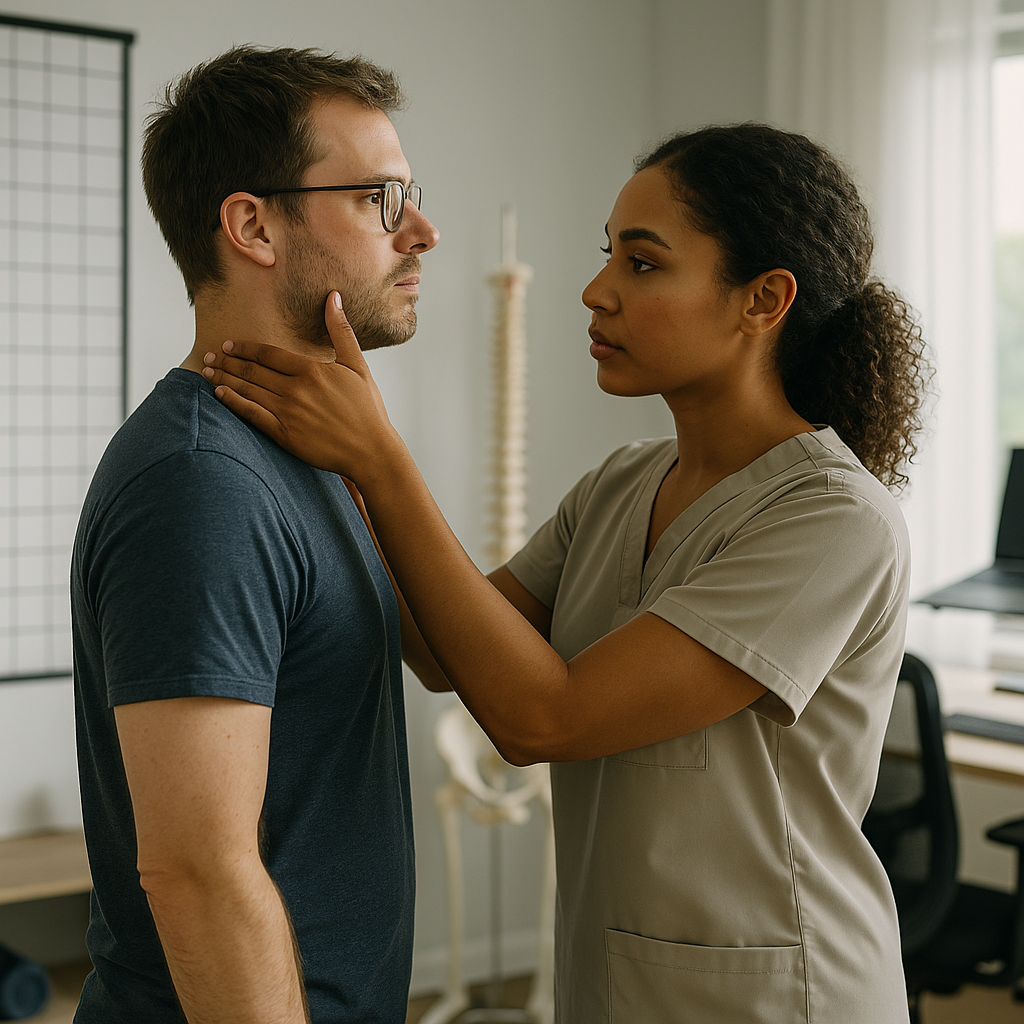
Understanding the Rise of Pandemic-Related Posture Problems
The COVID-19 pandemic fundamentally changed the way millions of people around the world live, work, and move. With lockdowns, remote work arrangements, and extended periods of home confinement becoming the new normal, a quiet but significant health crisis began to emerge — one affecting spines, necks, and shoulders across every age group. Pandemic posture problems quickly became a widespread concern, and chiropractors found themselves on the front lines of addressing this growing epidemic within an epidemic.
Whether it was hunching over a laptop at a makeshift kitchen desk, spending hours scrolling through a smartphone, or simply moving far less than before, quarantine posture issues began manifesting in ways many people had never experienced. For others, pre-existing conditions were significantly worsened. Understanding why these problems developed and how chiropractic care can help is essential for anyone still dealing with the lasting effects of lockdown back pain.
How Lockdowns Contributed to Poor Posture
Before exploring chiropractic solutions, it is important to understand the root causes of pandemic-related posture deterioration. Several behavioral and environmental factors combined during this period to create the perfect storm for musculoskeletal issues:
- Inadequate home workstations: Many individuals transitioned to remote work without access to ergonomically designed furniture. Kitchen chairs, sofas, and beds became makeshift offices, placing the spine under abnormal stress for prolonged periods.
- Reduced physical activity: Gym closures and movement restrictions drastically reduced the daily physical activity that naturally supports spinal health and muscle conditioning.
- Increased screen time: With video calls replacing in-person meetings and streaming services providing primary entertainment, screen time surged dramatically, leading to increased forward head posture and text neck syndrome.
- Psychological stress: Anxiety and stress related to the pandemic caused muscle tension, particularly in the neck and shoulders, contributing further to postural dysfunction.
- Disrupted sleep patterns: Poor sleep quality affected muscle recovery and increased inflammation, making postural problems harder to overcome.
Research published during and after the pandemic period consistently identified a significant increase in complaints related to neck pain, lower back pain, and shoulder discomfort — all directly linked to these behavioral changes. The COVID posture problems that emerged were not trivial inconveniences; for many, they represented serious, chronic conditions requiring professional intervention.
What Is “Pandemic Posture” and Why Does It Matter?
The term “pandemic posture” refers to a cluster of postural abnormalities that became remarkably common during and following the COVID-19 lockdown period. Clinically, chiropractors began observing several recurring patterns in their patients:
- Forward head posture: The head drifts forward of the spine’s natural alignment, placing enormous stress on the cervical vertebrae and surrounding musculature.
- Kyphosis (hunched upper back): The thoracic spine curves excessively outward, creating a rounded shoulder appearance and compressing the chest cavity.
- Lumbar hypolordosis or hyperlordosis: The natural curve of the lower back either flattens or becomes exaggerated, depending on the individual’s sitting habits and body mechanics.
- Anterior pelvic tilt: Prolonged sitting weakens the core and hip flexors simultaneously, causing the pelvis to rotate forward and increasing lumbar strain.
These postural deviations are not merely cosmetic concerns. Left unaddressed, they can lead to nerve compression, disc degeneration, chronic headaches, reduced lung capacity, digestive issues, and even significant impacts on mood and cognitive function. A pandemic posture chiropractor is specifically trained to identify these deviations and implement targeted corrective strategies.
The Chiropractic Approach to COVID Posture Problems
Chiropractic care operates on the foundational principle that the body’s structure — particularly the spine — directly influences its overall function. When postural abnormalities disrupt spinal alignment, the nervous system’s ability to communicate effectively throughout the body is compromised. The chiropractic approach to pandemic-related posture issues is therefore comprehensive, addressing not only symptom relief but also the underlying structural and functional causes.
1. Comprehensive Postural Assessment
The first step a chiropractor will take is conducting a thorough postural assessment. This typically involves observing the patient from multiple angles, using specialized measurement tools, and in some cases, taking diagnostic imaging such as X-rays. This assessment helps identify specific areas of misalignment, muscle imbalance, and compensatory patterns that have developed as a result of prolonged poor posture during quarantine.
Understanding the full picture is critical. Two patients may present with similar complaints of lockdown back pain, yet the underlying causes and therefore the appropriate treatment protocols may differ considerably. A personalized approach is always preferred.
2. Spinal Adjustments and Manipulation
Spinal adjustments, also known as spinal manipulation, are the cornerstone of chiropractic care. When vertebrae become misaligned — a condition known as subluxation — they can irritate surrounding nerves, restrict movement, and create muscular tension. Gentle, precise adjustments restore proper alignment, reduce nerve interference, and improve overall spinal mobility.
For patients suffering from quarantine posture issues, chiropractic adjustments are particularly beneficial in the cervical (neck) and thoracic (mid-back) regions, where forward head posture and rounded shoulders tend to concentrate structural stress. Lumbar adjustments are equally important for those who experienced significant lower back changes due to prolonged sedentary behavior.
3. Soft Tissue Therapies
Postural dysfunction rarely affects the skeletal structure alone. The surrounding muscles, ligaments, and fascia also become shortened, weakened, or dysfunctional. Chiropractors frequently incorporate soft tissue therapies alongside spinal adjustments to address these secondary contributors.













