
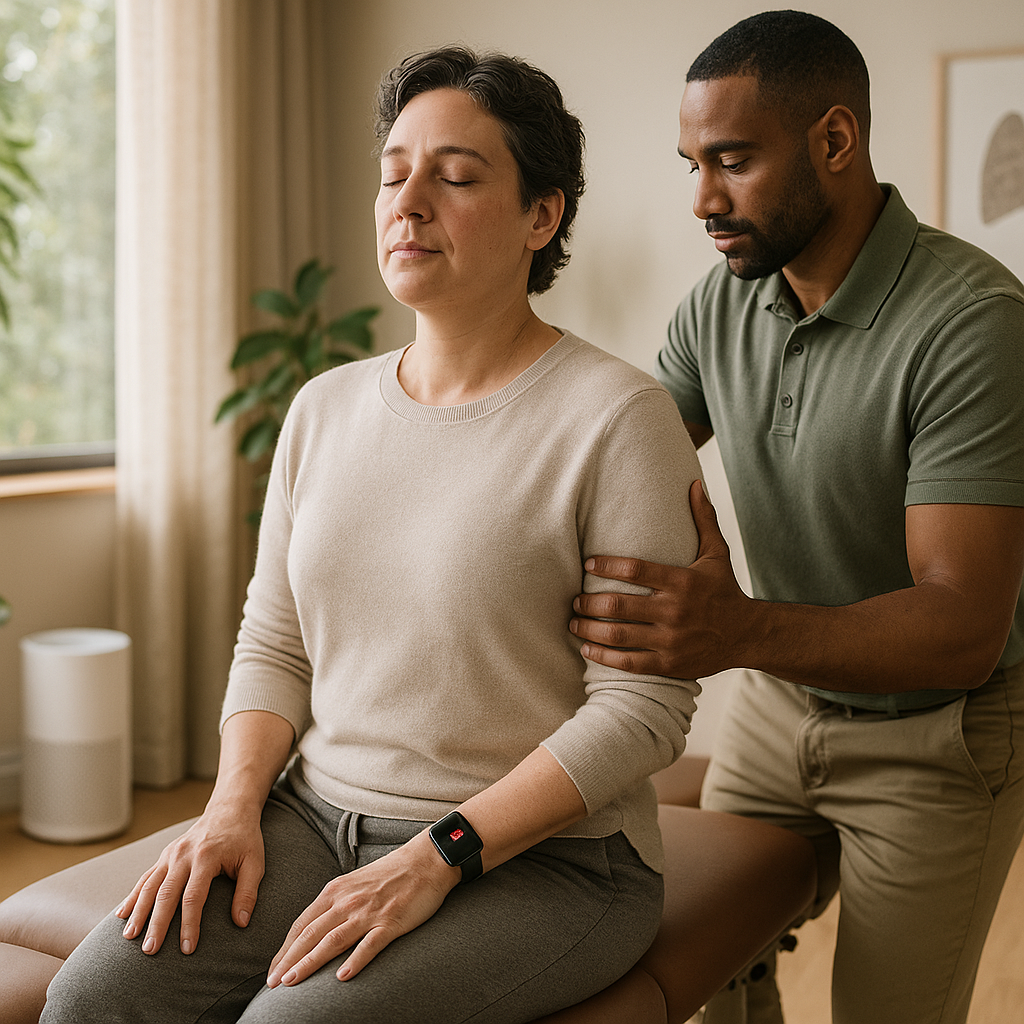
Understanding Long COVID and Its Complex Symptoms
Long COVID, also referred to as post-acute sequelae of SARS-CoV-2 (PASC), has emerged as one of the most challenging medical phenomena of the post-pandemic era. Millions of individuals worldwide continue to experience persistent symptoms long after their initial COVID-19 infection has resolved. These symptoms can linger for weeks, months, or even years, significantly disrupting daily life and overall well-being.
Common long COVID symptoms include:
- Chronic fatigue and exhaustion
- Brain fog and cognitive difficulties
- Persistent headaches
- Musculoskeletal pain, including back and neck pain
- Shortness of breath
- Sleep disturbances
- Joint pain and inflammation
- Dizziness and balance issues
As conventional medicine continues to explore pharmacological solutions for long haul COVID treatment, many patients are turning to integrative and complementary healthcare approaches. Among these, chiropractic care has gained considerable attention for its holistic, non-invasive methods of addressing the wide-ranging physical and neurological effects of long COVID.
The Role of a Long COVID Chiropractor in Post-Infection Recovery
A long COVID chiropractor operates with a comprehensive understanding of the body’s musculoskeletal and nervous systems. Their approach is rooted in the belief that optimal spinal alignment and nervous system function are foundational to overall health and healing. When the body undergoes a significant viral infection such as COVID-19, the resulting inflammation, immune response, and prolonged bed rest can create or exacerbate misalignments in the spine, known as subluxations.
These subluxations can interfere with nerve communication throughout the body, potentially amplifying symptoms such as fatigue, pain, and cognitive difficulties. By identifying and correcting these misalignments, a chiropractor can help restore proper nerve function and support the body’s natural recovery mechanisms.
Post-COVID chiropractic care is not a one-size-fits-all treatment. Practitioners conduct thorough assessments of each patient’s unique presentation, taking into account their medical history, symptom profile, and physical condition before designing a personalized care plan.
How Chiropractic Adjustments Support COVID Recovery
Chiropractic COVID recovery involves a series of targeted spinal manipulations and complementary therapies designed to reduce pain, restore mobility, and enhance the body’s overall functioning. Here is how specific chiropractic interventions may help those suffering from long COVID symptoms:
1. Spinal Manipulation and Alignment
Spinal adjustments are the cornerstone of chiropractic care. By carefully applying controlled force to specific joints in the spine, chiropractors can correct misalignments, reduce nerve irritation, and improve the flow of information between the brain and the rest of the body. For long COVID patients, this may translate to reduced pain, improved respiratory function, and enhanced energy levels.
2. Nervous System Support
The autonomic nervous system, which regulates involuntary functions such as heart rate, digestion, and respiratory rate, can be significantly disrupted following a COVID-19 infection. Chiropractic adjustments targeting the cervical and thoracic spine may help regulate autonomic nervous system activity, potentially alleviating symptoms such as heart palpitations, breathlessness, and dizziness that are frequently reported by long haulers.
3. Reducing Musculoskeletal Pain
Many individuals recovering from COVID-19 report persistent joint pain, muscle aches, and generalized body discomfort. Post-COVID chiropractic care addresses these concerns through soft tissue therapy, myofascial release, and targeted spinal adjustments. These techniques help to reduce inflammation, increase circulation, and restore normal tissue function.
4. Addressing Postural Imbalances
Extended periods of illness, reduced physical activity, and remote work from poorly configured home environments have contributed to widespread postural imbalances among long COVID patients. Chiropractors assess and correct these imbalances through adjustments and prescribed corrective exercises, helping to relieve associated neck pain, back pain, and headaches.
5. Enhancing Sleep Quality
Sleep disturbances are among the most debilitating aspects of long COVID. By reducing physical pain and supporting nervous system regulation, chiropractic care may contribute to improved sleep quality. When the body is free from structural dysfunction, it is better equipped to enter the restorative sleep stages necessary for healing and immune function.
The Neurological Connection: Brain Fog and Chiropractic Care
Brain fog — characterized by difficulty concentrating, memory lapses, and mental fatigue — is one of the most commonly reported and most frustrating symptoms of long COVID. While the exact mechanisms behind this cognitive disruption are still being studied, researchers believe it involves neuroinflammation, impaired cerebral blood flow, and dysregulation of the nervous system.
A long COVID chiropractor may address brain fog through cervical spine adjustments that improve blood flow to the brain and reduce pressure on the nerves of the upper spine. Additionally, chiropractic care has been associated with improved proprioception — the body’s ability to sense its own position — which is closely linked to cognitive clarity and neurological function.
Some chiropractic practices also incorporate lifestyle counseling, nutritional guidance, and stress management strategies as part of a broader long haul COVID treatment protocol. These integrative approaches recognize that neurological recovery requires attention to multiple aspects of a patient’s health and environment.
Chiropractic as Part of a Multidisciplinary Long Haul COVID Treatment Plan
It is important to note that chiropractic care is most effective when integrated into a broader, multidisciplinary approach to long COVID management. Many progressive healthcare providers now collaborate across disciplines — including physiotherapy, occupational therapy, pulmonology, and psychology — to provide comprehensive care for long haul patients.
Additional Resources
- NIH overview of spinal manipulation
- MedlinePlus back pain resources
- NINDS low back pain information
- What is the chiropractic approach to pandemic-related posture issues?
- What are the benefits of ice vs. heat after a chiropractic adjustment?
- What are the things to avoid after a chiropractic adjustment?














