
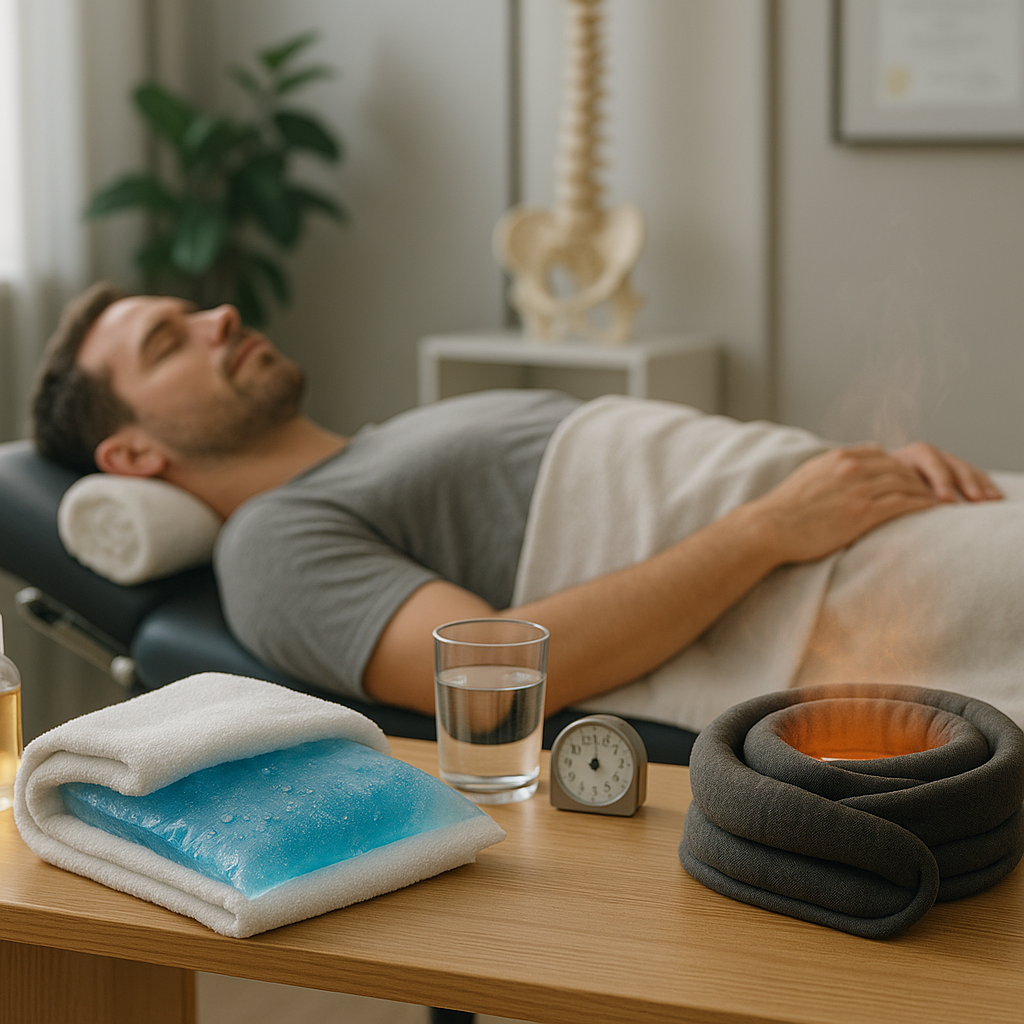
Understanding Post-Adjustment Care: Ice or Heat After Adjustment
After a chiropractic adjustment, your body begins a natural healing process. Joints have been realigned, soft tissues have been manipulated, and your nervous system is recalibrating. While many patients feel immediate relief, others experience mild soreness or inflammation in the hours that follow. One of the most common questions chiropractors hear from their patients is whether to use ice or heat after adjustment sessions — and the answer is not always straightforward.
Both cryotherapy and thermotherapy offer distinct therapeutic benefits, but knowing when and how to use each one can make a significant difference in your recovery. This article breaks down the science behind cold vs warm therapy chiropractic care, helping you make the most informed decision for your post-adjustment healing journey.
The Science Behind Cold Therapy (Cryotherapy) After a Chiropractic Adjustment
Cryotherapy, or the application of cold to the body, has been used in physical rehabilitation for decades. When applied correctly after a chiropractic adjustment, cold therapy can be one of the most effective tools for managing discomfort and accelerating recovery.
How Cold Therapy Works
When you apply ice or a cold pack to a treated area, the cold causes the blood vessels in that region to constrict — a process known as vasoconstriction. This reduces blood flow to the area, which in turn helps to:
- Decrease inflammation and swelling in soft tissues
- Numb the area, providing immediate pain relief
- Slow down cellular metabolism, reducing the risk of further tissue damage
- Minimize muscle spasms that may occur as a reaction to the adjustment
When Should You Use Ice After an Adjustment?
Post-adjustment ice heat decisions often depend on the nature of your symptoms. Ice therapy is most beneficial in the following situations:
- Acute soreness: If you feel soreness within the first 24 to 72 hours following your adjustment, ice is the preferred option.
- Visible swelling or inflammation: Any noticeable puffiness around the adjusted area should be treated with cold therapy first.
- Recent injuries: If your adjustment addressed a recent injury, such as a whiplash or a sprain, ice is generally the safer choice.
- Post-adjustment flare-ups: Some patients experience a temporary increase in symptoms. Cold therapy can help manage these reactions effectively.
How to Apply Ice Safely
To get the most from post-adjustment ice heat application using cold therapy, follow these simple guidelines:
- Always wrap the ice pack in a thin towel or cloth to protect the skin from frostbite
- Apply ice for no more than 15 to 20 minutes at a time
- Allow at least 45 minutes between applications before reapplying
- Never apply ice directly to bare skin
- Avoid using ice on areas with poor circulation or reduced sensation
The Science Behind Heat Therapy (Thermotherapy) After a Chiropractic Adjustment
Thermotherapy, or the application of heat to the body, works in a fundamentally different way than cold therapy. While cryotherapy restricts blood flow, heat does the opposite — it opens up the blood vessels and promotes circulation. This can be deeply soothing, but it must be used at the right time.
How Heat Therapy Works
When heat is applied to a specific area, it causes vasodilation — the widening of blood vessels. This increased blood flow delivers oxygen and nutrients to the muscles and soft tissues, supporting the healing process. Specifically, heat therapy helps to:
- Relax tight and tense muscles
- Improve flexibility and range of motion
- Soothe chronic aches and deep muscle tension
- Encourage the removal of metabolic waste from tissues
- Reduce stiffness in joints that have been recently adjusted
When Should You Use Heat After an Adjustment?
In the cold vs warm therapy chiropractic debate, heat is typically recommended for chronic conditions rather than acute post-adjustment reactions. Consider heat therapy when:
- Muscle tightness persists: If your muscles feel stiff or knotted after the adjustment, heat can help loosen them effectively.
- Chronic conditions are being treated: Patients dealing with long-standing conditions such as chronic back pain or arthritis often benefit more from warmth than cold.
- Several days have passed since the adjustment: After the initial 72-hour inflammatory period has subsided, transitioning to heat may support ongoing healing.
- Pre-adjustment preparation: Applying heat before your appointment can help loosen muscles and prepare your body for manipulation.
Additional Resources












