
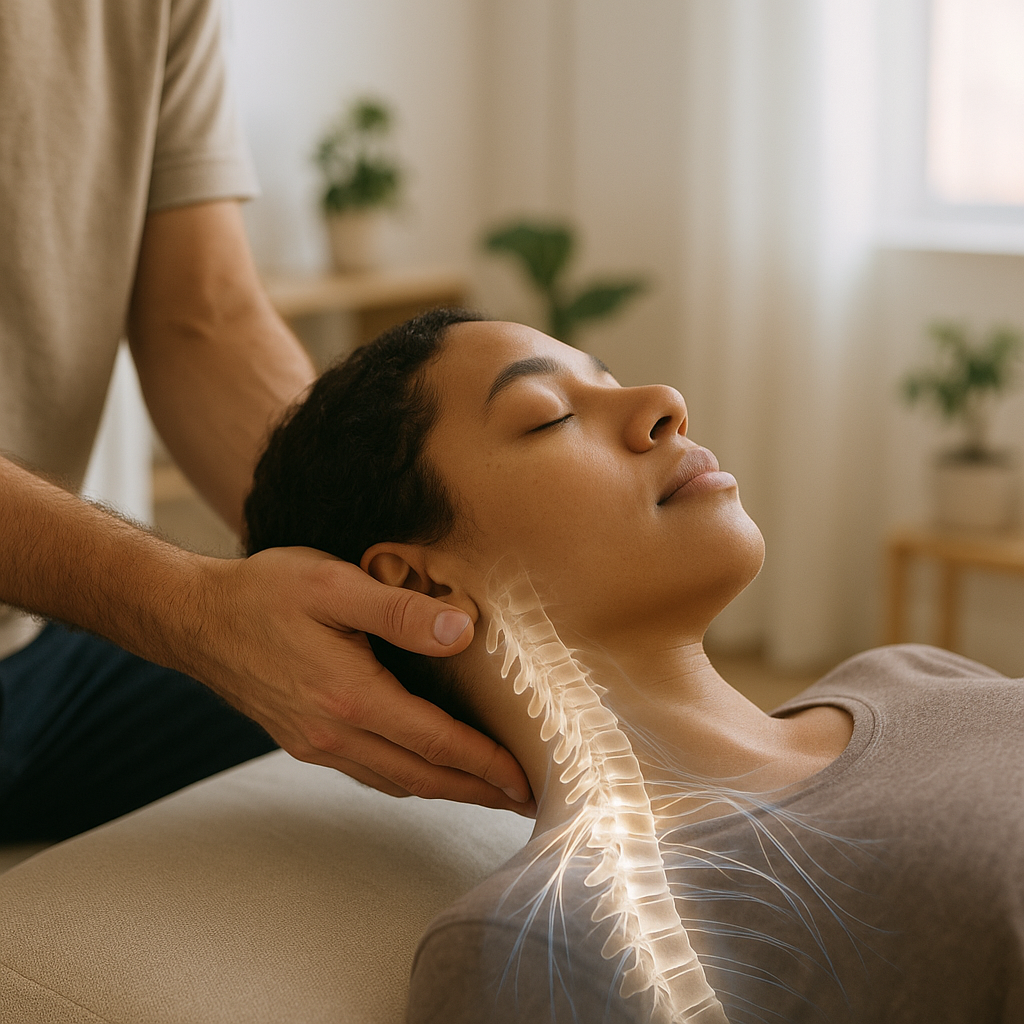
Understanding the Chiropractic Approach to the Nervous System
The relationship between chiropractic care and the nervous system is one of the most fundamental principles underlying this discipline. Chiropractors operate on the understanding that the nervous system serves as the master communication network of the human body, coordinating and regulating virtually every physiological function. When this intricate network is compromised — particularly through spinal misalignments — the consequences can extend far beyond simple back pain. The chiropractic nervous system philosophy centers on restoring and maintaining optimal neural function to support overall health and well-being.
The Nervous System: The Body’s Command Center
To appreciate the chiropractic perspective, one must first understand the structure and function of the nervous system itself. The nervous system is broadly divided into two major components:
- The Central Nervous System (CNS): Comprising the brain and spinal cord, the CNS processes information and coordinates responses throughout the entire body.
- The Peripheral Nervous System (PNS): Consisting of the nerves that branch outward from the spinal cord, the PNS transmits signals between the CNS and the muscles, organs, and tissues throughout the body.
The spinal cord, housed within and protected by the vertebral column, acts as the primary conduit through which the brain communicates with the rest of the body. Nerve roots exit the spinal cord through small openings between each vertebra, known as intervertebral foramina. When these openings become restricted or when the vertebrae are misaligned, nerve function can be significantly impaired — a concept that is central to chiropractic philosophy.
The Concept of Vertebral Subluxation
One of the cornerstone concepts in chiropractic care is the vertebral subluxation — a term used to describe a misalignment or dysfunction of one or more vertebrae in the spine. Chiropractors believe that subluxations interfere with the normal transmission of nerve impulses, disrupting the body’s ability to regulate itself efficiently.
Subluxations can arise from a wide range of causes, including:
- Physical trauma such as accidents, falls, or repetitive strain injuries
- Poor posture sustained over extended periods
- Sedentary lifestyle or inadequate physical activity
- Emotional stress, which can cause muscular tension affecting spinal alignment
- Chemical imbalances resulting from poor nutrition or environmental toxins
When subluxations are left unaddressed, they can create sustained pressure or irritation on the surrounding nerve tissues. This neural interference, sometimes referred to as “nerve impingement” or “pinched nerves,” can manifest as pain, numbness, tingling, muscle weakness, or even dysfunction in the organs and systems innervated by the affected nerves.
How Chiropractic Adjustments Influence Spine Nerve Function
Chiropractic adjustments — also known as spinal manipulative therapy — involve the application of controlled, precise force to specific vertebral joints. The primary objective of these adjustments is to correct vertebral subluxations, thereby restoring normal spine nerve function and facilitating unimpeded neural communication.
When a chiropractor performs a spinal adjustment, several important physiological effects are believed to occur:
- Reduction of mechanical pressure: Correcting vertebral misalignments alleviates direct pressure on nerve roots, reducing pain and restoring sensation.
- Improved joint mobility: Restricted spinal joints are mobilized, which reduces inflammation and promotes healthier nerve tissue function.
- Reflex arc modulation: Adjustments are thought to stimulate mechanoreceptors in the spinal joints, which can modulate pain signals through the gate control theory of pain.
- Enhanced proprioception: Restoring proper spinal mechanics helps improve the body’s positional awareness, contributing to better balance, coordination, and motor control.
- Autonomic nervous system balance: Some research suggests that spinal adjustments may positively influence the balance between sympathetic (“fight or flight”) and parasympathetic (“rest and digest”) nervous system activity.
It is important to note that chiropractic care does not claim to “heal” conditions directly. Rather, it seeks to remove interference within the nervous system so the body can perform its innate capacity for self-regulation and healing more effectively.
Neural Health Chiropractic: A Whole-Body Perspective
The neural health chiropractic model extends well beyond the treatment of musculoskeletal pain. Chiropractors who embrace this broader philosophy recognize that since the nervous system governs virtually all bodily functions — including immune response, hormonal regulation, digestion, cardiovascular function, and respiratory activity — maintaining optimal neural health can have wide-ranging systemic benefits.
This holistic perspective leads many chiropractic practitioners to address not only spinal alignment but also the following contributing factors to neural health:
- Nutritional counseling: Proper nutrition supports the myelin sheath integrity, neurotransmitter synthesis, and overall neurological function.
- Exercise and rehabilitation: Targeted exercises strengthen the muscles that support spinal alignment, reducing the likelihood of recurring subluxations.
- Postural correction: Educating patients on ergonomics and proper posture minimizes mechanical stress on the spine and nervous system.
- Stress management: Chronic stress contributes to muscular tension and spinal dysfunction, making stress reduction strategies an essential component of comprehensive chiropractic care.
- Sleep hygiene: Adequate sleep is critical for neural repair and regeneration, and chiropractors may offer guidance on sleep positioning that supports spinal health.
Additional Resources












