
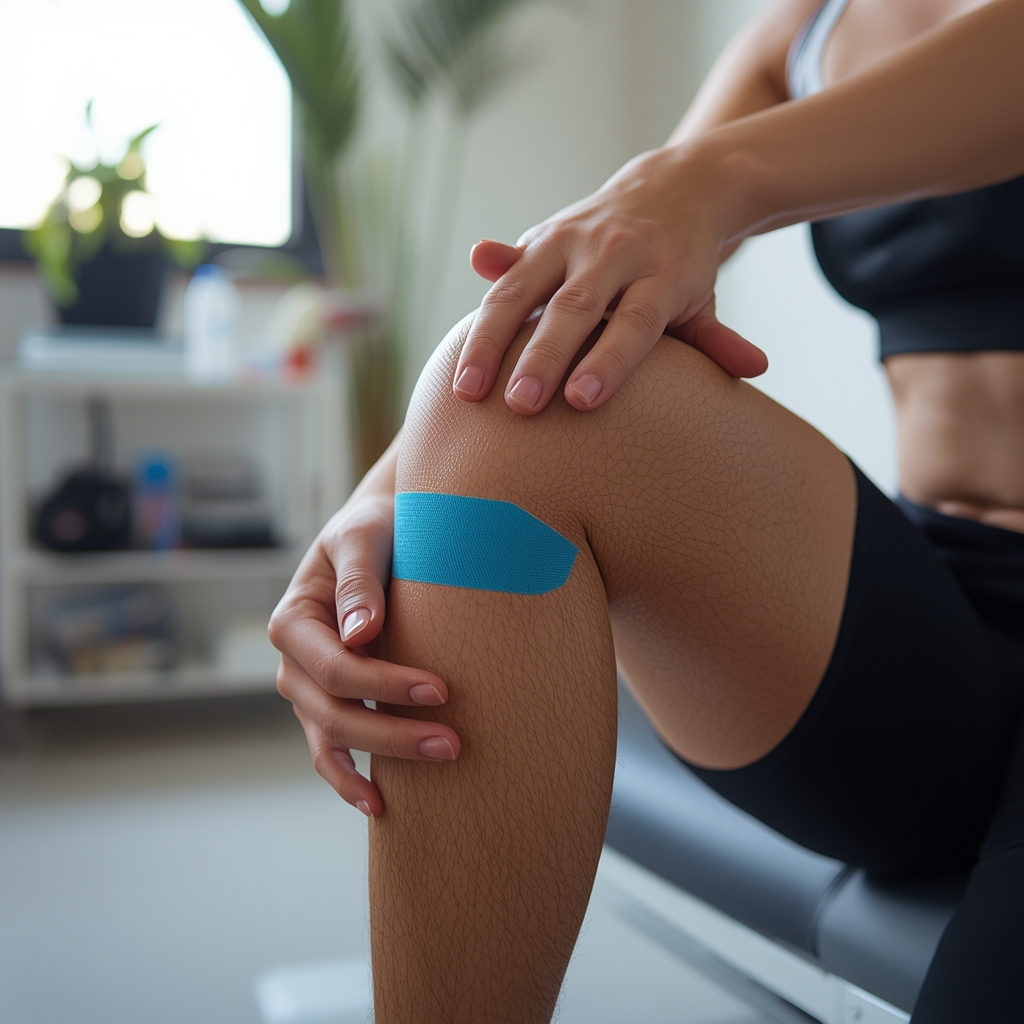
Understanding Patellar Tendinitis and Kinesio Taping
Patellar tendinitis, often called jumper’s knee, is a common overuse injury among athletes, causing pain and inflammation in the patellar tendon. Kinesio taping is a therapeutic technique used to support the affected area, reduce pain, and improve movement. While not a standalone treatment, it can complement other interventions like rest, physical therapy, and chiropractic care. The tape works by lifting the skin to decompress underlying tissues, potentially reducing swelling and enhancing blood flow. Athletes may find it helpful for managing symptoms during training or competition, but its effectiveness varies depending on proper application and individual needs. Always consult a qualified provider to determine if kinesio taping is suitable for your condition.
Technique 1: Iliotibial Band (ITB) Taping
ITB taping is often used to alleviate lateral knee pain associated with patellar tendinitis. The tape is applied along the iliotibial band, which runs from the hip to the knee, to reduce friction and support the knee joint. This technique can help stabilize the patella and decrease strain on the tendon. To apply, start at the hip and stretch the tape diagonally toward the knee, ensuring it adheres securely without restricting circulation. Athletes may benefit from this method during high-impact activities, but it should be combined with other strategies like strengthening exercises. A chiropractor can guide proper placement and address any underlying biomechanical issues contributing to the condition.
Technique 2: Patellar Taping for Alignment
Patellar taping focuses on realigning the kneecap to reduce pressure on the patellar tendon. This technique involves placing the tape in a specific pattern to gently guide the patella into a more neutral position. By improving tracking, it can alleviate pain and prevent further irritation. The tape is typically applied with slight tension to lift the patella slightly, easing stress on the tendon. Athletes may find this helpful during activities that involve jumping or running. However, the effectiveness depends on correct application and consistent use. A healthcare provider can assess whether this method aligns with your rehabilitation goals and adjust the approach as needed.
Technique 3: Compression and Support Taping
Compression taping is another approach to managing patellar tendinitis, focusing on providing stability and reducing swelling. This technique uses a more rigid tape to create a supportive structure around the knee, limiting excessive movement that could aggravate the tendon. The tape is applied with moderate tension, ensuring it does not cut off circulation. Compression can also help improve proprioception, enhancing the athlete’s awareness of knee positioning during activity. While this method offers immediate relief, it should be used alongside long-term strategies like strengthening and flexibility work. A chiropractor can evaluate your specific needs and recommend the best taping approach for your situation.
Application Tips and Best Practices
Proper application is critical for the success of kinesio taping. Clean and dry the skin before applying the tape to ensure adhesion. Avoid stretching the tape too much when placing it, as this can cause discomfort or restrict movement. For patellar tendinitis, focus on areas of pain or tension, and consider using a strip of tape under the kneecap for additional support. Replace the tape every 3–5 days or sooner if it loses adhesion. Athletes should also monitor for any irritation or allergic reactions. Remember, kinesio taping is a tool, not a cure. It works best when integrated into a broader treatment plan, including chiropractic care, physical therapy, and rest.
When to Use Kinesio Taping and Professional Guidance
Kinesio taping is most effective as part of a comprehensive management strategy for patellar tendinitis. It may be used during training to provide support, or during recovery to aid in healing. However, it should not replace professional care. A chiropractor can assess the root causes of your condition, such as muscle imbalances or biomechanical issues, and tailor a treatment plan that includes taping. If pain persists or worsens, seek medical evaluation to rule out more severe injuries. Athletes should also be mindful of over-reliance on taping, as it does not address underlying factors. Regular check-ins with a qualified provider ensure the technique remains safe and effective for your unique needs.













