
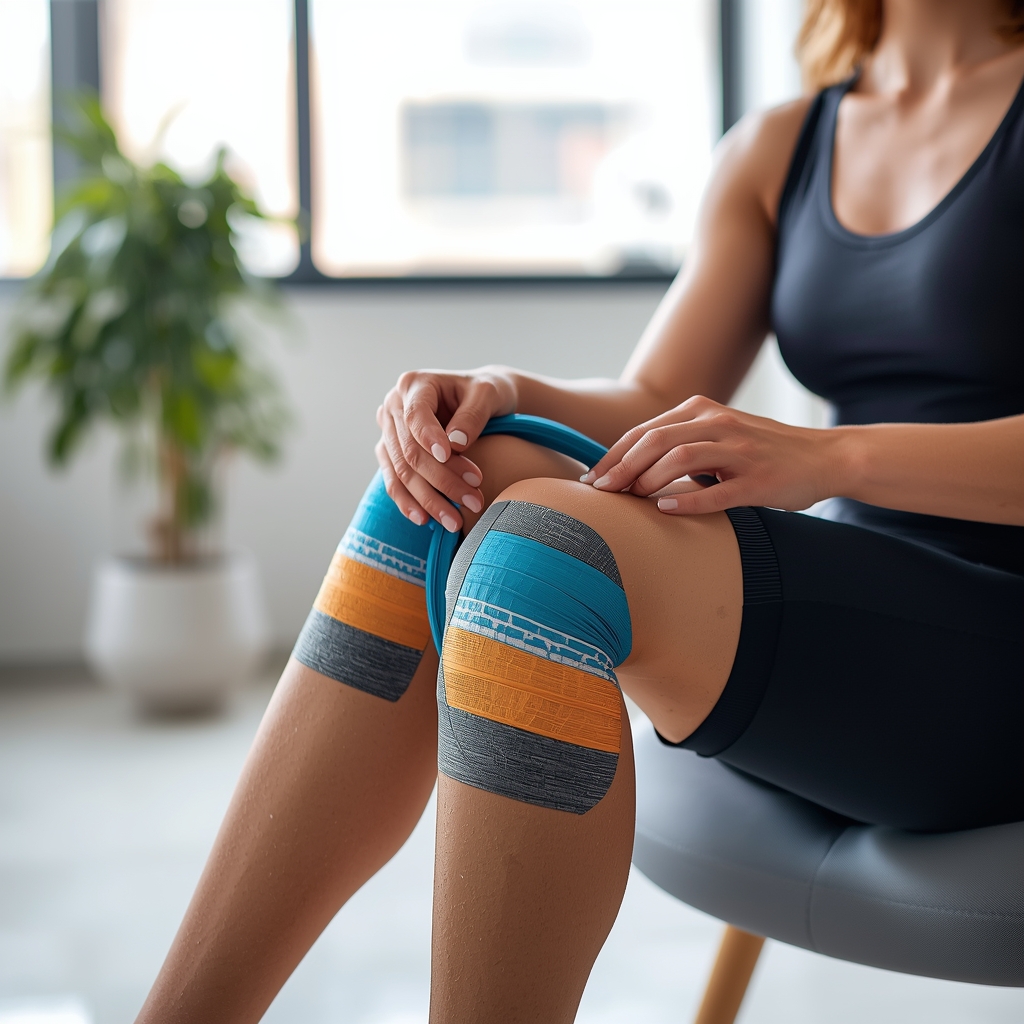
Understanding Kinesio Taping and Patellar Tendinitis
Kinesio taping is a therapeutic technique involving elastic adhesive tape applied to the skin to support muscles, joints, and ligaments. For patients with patellar tendinitis—a condition causing pain and inflammation in the patellar tendon—this method may offer targeted relief. The tape is designed to lift the skin slightly, creating space for improved circulation and lymphatic drainage. While not a standalone treatment, kinesio taping is often used alongside other therapies to address discomfort and promote healing. Its flexibility allows for movement, making it suitable for active individuals. Understanding its role in managing patellar tendinitis helps patients explore complementary options with their healthcare providers.
Pain Relief and Inflammation Reduction
One potential benefit of kinesio taping for patellar tendinitis is its ability to alleviate pain and reduce inflammation. The tape’s gentle pressure may help decrease strain on the affected tendon, potentially easing discomfort during daily activities or exercise. By encouraging proper alignment, it might also minimize irritation to the tendon’s fibers. While research on its effectiveness for this specific condition is limited, many patients report subjective improvements in pain levels. It’s important to note that kinesio taping should not replace professional medical advice but may serve as a supportive tool in a broader treatment plan.
Support and Joint Alignment
Kinesio taping can provide mechanical support to the knee joint, which may be beneficial for individuals with patellar tendinitis. By stabilizing the patella (kneecap), the tape might help reduce abnormal movement patterns that contribute to tendon stress. This support can be especially useful during physical activities that strain the knee. Additionally, the tape’s application may enhance proprioception—the body’s awareness of its position—potentially improving movement efficiency. While these effects are not universally proven, some practitioners and patients find that kinesio taping aids in maintaining proper joint mechanics, which could complement other therapeutic interventions.
Complementary to Other Treatments
Kinesio taping is often used as part of a multifaceted approach to managing patellar tendinitis. It may work alongside exercises, manual therapy, and lifestyle modifications to address the condition’s underlying causes. For example, physical therapy exercises to strengthen the quadriceps and hamstrings can be paired with taping for added support. Chiropractors or sports therapists might recommend it to enhance recovery during rehabilitation. However, its effectiveness varies among individuals, and results depend on proper application and consistency. Patients should discuss this option with their healthcare provider to ensure it aligns with their overall care strategy.
Safety and Considerations
When applied correctly, kinesio taping is generally safe and well-tolerated. However, improper placement or excessive tension may cause skin irritation or discomfort. Individuals with sensitive skin, allergies, or open wounds should exercise caution. It’s also crucial to avoid using the tape as a substitute for medical evaluation, especially if symptoms persist or worsen. Regular monitoring by a qualified professional ensures the tape remains effective and safe. Patients should discontinue use if adverse reactions occur and consult their provider for alternative solutions.
Consulting a Healthcare Professional
While kinesio taping may offer supportive benefits for patellar tendinitis, its suitability depends on individual factors. A chiropractor or physical therapist can assess the condition and determine if taping is appropriate. They can also demonstrate proper application techniques to maximize effectiveness. Patients should view this method as part of a comprehensive care plan rather than a standalone solution. Open communication with healthcare providers ensures safe and informed decisions. Exploring options like kinesio taping under professional guidance helps patients make choices that align with their unique needs and recovery goals.












