
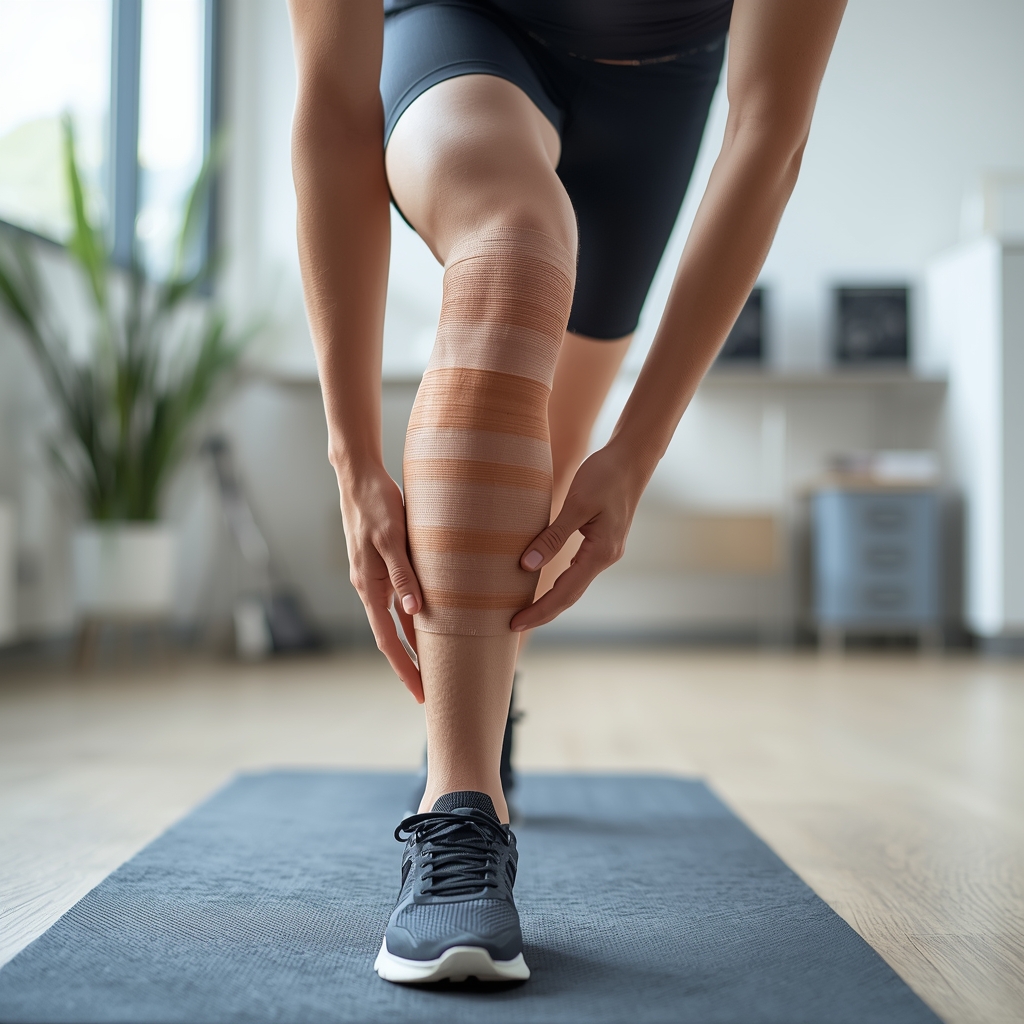
Understanding Patellar Tracking Issues in Athletes
Patellar tracking issues occur when the kneecap (patella) moves improperly within the groove of the femur, often causing pain and instability. This is common in athletes due to repetitive stress, muscle imbalances, or biomechanical factors. Activities like running, jumping, or pivoting can exacerbate the condition, leading to discomfort and reduced performance. While rest and physical therapy are standard approaches, kinesio taping is increasingly used as a supportive tool. It aims to improve alignment, reduce strain, and enhance proprioception. However, effectiveness depends on proper technique and individualized assessment by a qualified provider. Understanding the underlying causes and available interventions is crucial for athletes seeking relief.
The Role of Kinesio Taping in Patellar Support
Kinesio taping involves applying elastic therapeutic tape to the skin to provide support, reduce pain, and improve joint function. For patellar tracking issues, the tape can help stabilize the kneecap, correct alignment, and alleviate pressure on surrounding tissues. The technique works by gently lifting the skin, creating space for improved circulation and lymphatic drainage. It may also enhance neuromuscular feedback, helping athletes maintain better form during activity. While not a standalone treatment, kinesio taping is often used alongside exercises and manual therapies. Its non-invasive nature makes it appealing for athletes looking to manage symptoms without medication or surgery. However, results vary, and proper application is key to achieving benefits.
Common Kinesio Taping Techniques for Patellar Alignment
Several kinesio taping techniques are tailored to address patellar tracking. The Iliotibial Band (ITB) taping technique involves applying tape along the outer thigh to reduce lateral pull on the kneecap. Another approach is the patellar mobilization taping, which uses a figure-8 pattern around the knee to encourage proper alignment. The Y-strip technique, applied over the quadriceps, can help balance muscle forces around the joint. Each method aims to correct biomechanical imbalances and support the patella during movement. Athletes should work with a trained professional to ensure correct placement and tension. These techniques are often used in conjunction with strength training and flexibility exercises for optimal outcomes.
How to Apply Kinesio Tape for Patellar Stability
Proper application of kinesio tape is critical for effectiveness. Start by cleaning and drying the skin, then trim hair if necessary. For patellar support, anchor the tape at the top of the kneecap and stretch it downward to the shin, ensuring it follows the natural curve of the leg. The Y-strip technique requires cutting the tape into a Y-shape, with one end anchored at the kneecap and the other branches extending to the quadriceps. Avoid excessive tension to prevent circulation issues. Allow the tape to adhere for 24-72 hours, depending on the product. Athletes should monitor for irritation and consult a provider if discomfort arises. Regular reapplication may be needed, especially after sweating or physical activity.
Combining Kinesio Taping with Other Therapies
Kinesio taping is most effective when integrated with other treatments. Strengthening exercises for the quadriceps, hamstrings, and hip stabilizers can address underlying muscle imbalances contributing to patellar tracking issues. Stretching tight structures like the ITB or hamstrings may also improve alignment. Manual therapies, such as chiropractic adjustments or soft tissue work, can complement taping by restoring joint mobility. Athletes should work with a multidisciplinary team to develop a comprehensive plan. While kinesio taping offers symptomatic relief, long-term success often requires addressing root causes through exercise, posture correction, and activity modification.
When to Consult a Chiropractor for Kinesio Taping
While kinesio taping is widely used, individual needs vary. A chiropractor can assess patellar tracking issues, identify contributing factors, and recommend appropriate taping techniques. They may also evaluate for underlying conditions like misaligned joints or nerve dysfunction. Athletes experiencing persistent pain, swelling, or instability should seek professional guidance rather than relying solely on self-application. A chiropractor can ensure proper technique, monitor progress, and adjust the approach as needed. Combining kinesio taping with chiropractic care may enhance outcomes and reduce recovery time. Always consult a qualified provider before starting any new treatment regimen.













