
Understanding Kinesio Taping for Ankle Sprains
Kinesio taping is a therapeutic technique involving elastic, adhesive tape applied to the skin to support muscles, improve circulation, and reduce pain. For ankle sprains, it helps stabilize the joint, limit excessive movement, and promote healing. Athletes often use it to manage acute injuries and prevent re-injury during recovery. The tape mimics the skin’s elasticity, allowing for natural movement while providing targeted support. Its primary goal is to enhance proprioception—the body’s awareness of its position—helping athletes maintain balance and coordination. While not a substitute for medical care, kinesio taping is widely used in sports medicine as a complementary tool. Proper application is critical, as incorrect placement can reduce effectiveness or cause skin irritation. This article explores specific techniques tailored to ankle sprains, emphasizing their role in athletic recovery.
Common Kinesio Taping Techniques for Ankle Support
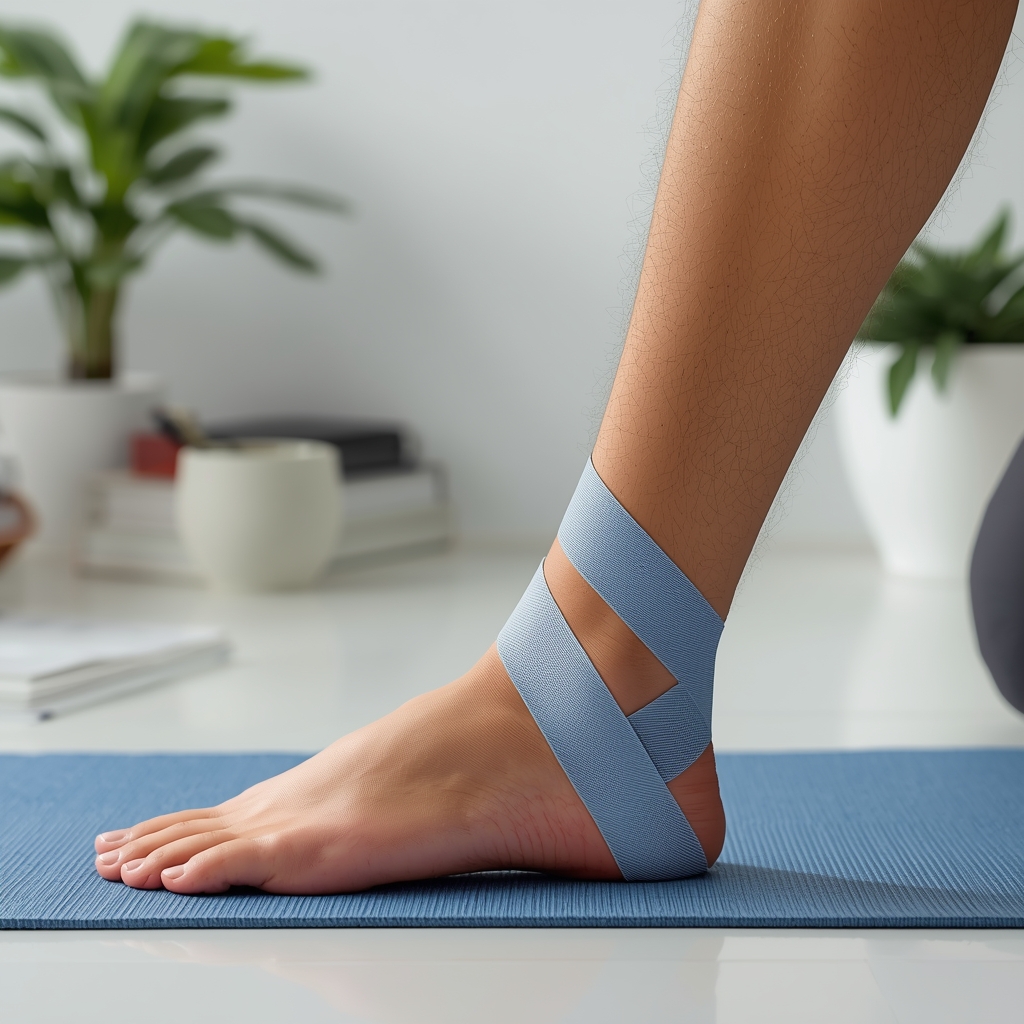
Several kinesio taping methods are effective for ankle sprains, each targeting different aspects of recovery. The I-shaped technique involves applying a single strip of tape along the ankle’s length to provide general support and reduce swelling. The Y-shaped method branches the tape around the heel and up the calf, offering stability while allowing flexibility. For severe sprains, the X-shaped technique crosses two strips over the ankle joint, limiting inversion and eversion movements. These techniques are often combined with counter-strain methods, where the tape is applied while the joint is slightly bent to relieve tension. Athletes may also use a fan-shaped taping pattern to distribute pressure evenly across the foot. Each method aims to enhance joint alignment and reduce strain on ligaments. Practitioners tailor these approaches based on injury severity and the athlete’s activity level. Proper technique ensures the tape remains in place during movement while avoiding discomfort.
Proper Application and Placement Guidelines
Successful kinesio taping requires careful preparation and attention to detail. Begin by cleaning and drying the skin to ensure adhesion, and avoid applying tape over open wounds or irritated areas. For ankle sprains, the athlete should be in a relaxed position, with the foot slightly dorsiflexed to reduce tension. The tape is cut to the appropriate length and applied with minimal stretch, typically 25-50% tension, depending on the technique. Overly tight application can restrict blood flow, while too little tension fails to provide support. For the I-shaped method, the tape is placed along the ankle’s medial and lateral sides, extending from the base of the toes to the calf. The Y-shaped technique involves splitting the tape at the heel and securing it to the calf muscles. Athletes should avoid excessive stretching of the tape during application to prevent premature loosening. After placement, gently rub the tape to activate the adhesive. Proper technique ensures the tape remains effective throughout the recovery period.
Combining Kinesio Taping with Other Recovery Strategies
Kinesio taping works best when integrated with other injury management strategies. For ankle sprains, it complements the RICE protocol (rest, ice, compression, elevation) by providing additional stability during the acute phase. Physical therapy exercises, such as range-of-motion drills and strength training, can be enhanced by the proprioceptive feedback from the tape. Athletes may also benefit from manual therapy, like chiropractic adjustments or soft tissue mobilization, to address underlying musculoskeletal imbalances. In chronic cases, taping can support long-term joint function by encouraging proper movement patterns. However, it should not replace professional medical evaluation, especially for severe sprains involving ligament tears. A multidisciplinary approach ensures comprehensive care, addressing both immediate symptoms and long-term recovery. Always consult a qualified provider to determine the optimal combination of treatments for your specific condition.
Adapting Techniques for Athletes’ Unique Needs
Athletes have varying physical demands, requiring customized kinesio taping approaches. For example, runners may need taping that allows for toe-off motion, while basketball players might prioritize lateral stability. The choice of tape material and thickness also matters—thicker tapes offer more support, while thinner variants provide a lighter feel. Athletes with sensitive skin should opt for hypoallergenic tapes to minimize irritation. Additionally, the duration of taping depends on the injury stage: short-term use during activity versus longer wear for continuous support. Sports-specific considerations, such as sweat and friction, necessitate techniques that maintain adhesion during intense movement. Some athletes use tape in conjunction with braces or compression sleeves for added protection. Regular re-evaluation by a healthcare provider ensures the taping method remains effective as the injury progresses. Tailoring techniques to individual needs maximizes both comfort and therapeutic outcomes.
Consulting Professionals for Optimal Results
While kinesio taping is a valuable tool, its effectiveness depends on proper application and professional guidance. Chiropractors, physical therapists, and athletic trainers are trained to assess injury severity and recommend the most suitable techniques. A healthcare provider can identify contraindications, such as skin conditions or circulatory issues, that might make taping unsuitable. They also ensure the tape is applied correctly to avoid complications like skin irritation or impaired mobility. Athletes should not attempt complex taping methods without supervision, as improper placement can hinder recovery. Regular follow-ups allow for adjustments as the injury heals, ensuring the tape continues to meet evolving needs. By working with a qualified provider, athletes can safely integrate kinesio taping into their recovery plan, enhancing both short-term relief and long-term joint health.














