
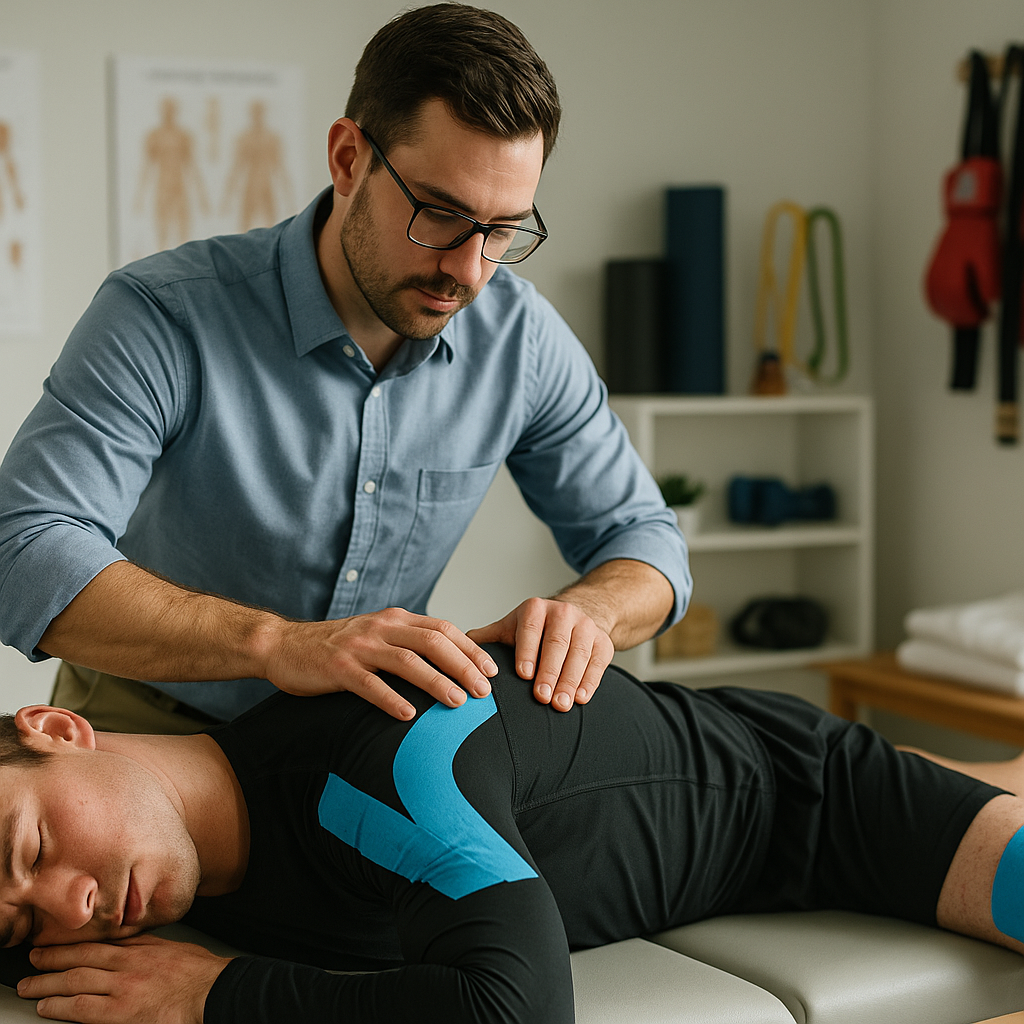
Understanding the Chiropractic Approach to Martial Arts Injuries
Martial arts training demands a great deal from the human body. Whether you practice Brazilian jiu-jitsu, Muay Thai, wrestling, karate, or mixed martial arts, the physical toll of consistent training can be significant. Repeated impacts, joint stress, spinal compression, and forceful movements all contribute to a unique set of injuries that require specialized care. This is precisely where a martial arts chiropractor plays a vital and often transformative role in an athlete’s health and performance.
Chiropractic care has evolved well beyond its reputation for treating simple back pain. For combat sports athletes, it represents a comprehensive, drug-free approach to injury recovery, prevention, and performance optimization. Understanding how chiropractic fits into the broader picture of martial arts health can help practitioners at every level make more informed decisions about their care.
Common Combat Sports Injuries That Chiropractic Addresses
Before exploring the chiropractic approach, it is important to recognize the types of injuries that martial artists most frequently encounter. These injuries are often the result of cumulative wear rather than a single traumatic event, though acute injuries are certainly common as well.
- Cervical spine strain: Neck injuries are extremely prevalent in combat sports, particularly in grappling disciplines where chokes, clinches, and takedowns place enormous strain on the cervical vertebrae.
- Lumbar spine injuries: Throws, sweeps, falls, and ground fighting frequently compress and twist the lumbar spine, leading to disc irritation, facet joint dysfunction, and muscle strain.
- Shoulder and rotator cuff issues: Joint locks, armbar attempts, and repetitive striking can compromise shoulder integrity over time.
- Knee ligament stress: Takedowns, pivoting movements, and guard work in grappling place significant stress on the knee joints.
- Rib and thoracic spine injuries: Body shots in striking arts and guard passing in grappling can lead to thoracic misalignment and rib subluxation.
- Concussion and post-concussion symptoms: Head trauma, while managed primarily by medical professionals, can involve cervicogenic components that chiropractic care can meaningfully address.
Understanding these injury patterns allows a qualified martial arts chiropractor to develop targeted treatment protocols that speak directly to the demands of combat sports training.
The Foundational Principles of Chiropractic in Combat Sports
Chiropractic care is grounded in the understanding that the musculoskeletal system, and particularly the spine, plays a central role in overall body function. When vertebrae become misaligned — a condition chiropractors refer to as subluxation — nerve communication can be compromised, muscular imbalances can develop, and the body’s natural healing capacity can be diminished.
For martial artists, this principle holds particular significance. A spine that is properly aligned distributes force more efficiently during striking, grappling, and defensive movements. It also allows the nervous system to function at its highest capacity, which translates into faster reaction times, better proprioception, and improved muscular coordination — all critical components of combat sports performance.
Martial arts spine care through chiropractic is therefore both rehabilitative and preventative in nature. The goal is not simply to eliminate pain after it arises but to maintain the structural integrity of the spine and surrounding joints so that injuries are less likely to occur in the first place.
How a Martial Arts Chiropractor Assesses Combat Athletes
One of the distinguishing features of a chiropractor who specializes in working with martial artists is the depth and specificity of their initial assessment. A thorough evaluation goes far beyond simply asking where it hurts. A skilled practitioner will consider the full context of the athlete’s training history, competition schedule, and movement patterns.
A comprehensive chiropractic assessment for a combat sports athlete typically includes:
- Postural and structural analysis: Identifying asymmetries, compensatory patterns, and areas of restricted movement that may predispose the athlete to injury.
- Range of motion testing: Evaluating the functional mobility of the cervical, thoracic, and lumbar spine as well as the major extremity joints.
- Neurological screening: Assessing reflexes, dermatomal sensation, and muscle strength to identify any nerve root involvement.
- Orthopedic testing: Applying specific diagnostic tests to isolate the structures responsible for pain or dysfunction.
- Movement pattern assessment: Where possible, observing how the athlete moves during sport-specific activities to identify biomechanical inefficiencies.
- Review of imaging: Collaborating with radiologists or other healthcare providers to review X-rays or MRI findings when appropriate.
This thorough process ensures that the chiropractic treatment plan is tailored specifically to the athlete’s needs rather than applied as a generic protocol.
Core Chiropractic Techniques Used for Fighting Injury Treatment
The treatment of combat sports injury through chiropractic encompasses a range of manual and adjunctive techniques. The selection of specific methods depends on the nature of the injury, the athlete’s presentation, and their individual response to care.
Spinal Manipulation and Mobilization
At the heart of chiropractic care is spinal manipulation, sometimes referred to as a chiropractic adjustment. This involves the application of a controlled, precise force to a specific spinal segment to restore normal joint mechanics, reduce nerve irritation, and improve mobility. In martial artists, this is commonly applied to the cervical spine following grappling-related neck strains, to the thoracic spine after body impacts, and to the lumbar spine following takedowns or falls.












