
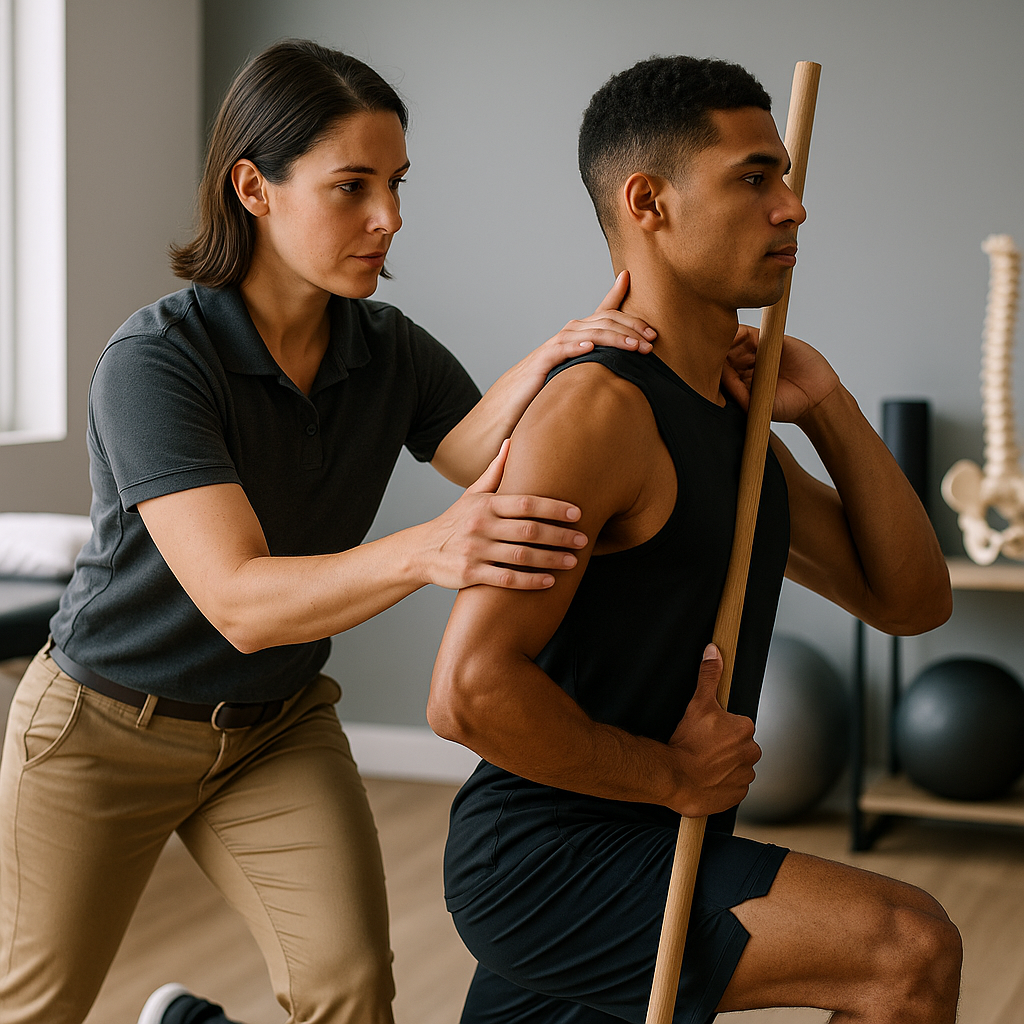
Understanding the Chiropractic Approach to Injury Prevention in Sports
Athletes at every level — from weekend warriors to professional competitors — understand that staying healthy is just as important as training hard. While many people associate chiropractic care with treating pain after an injury has occurred, there is a growing recognition of its powerful role in athletic injury prevention. A sports injury prevention chiropractor does far more than adjust the spine; they serve as a proactive partner in keeping the body performing at its peak while reducing the risk of injury before it happens.
This article explores how chiropractic care integrates into modern sports medicine as a preventive discipline, what techniques are commonly used, and why more athletes are turning to chiropractic prehabilitation as a cornerstone of their training programs.
What Is Chiropractic Prehabilitation?
The term chiropractic prehabilitation — often shortened to “sports prehab” — refers to a proactive, preventive approach to musculoskeletal care. Rather than waiting for an injury to develop and then seeking treatment, prehabilitation focuses on identifying and correcting movement imbalances, joint restrictions, muscular weaknesses, and biomechanical inefficiencies before they lead to injury.
In the context of sports, prehabilitation is a structured program that includes functional movement assessments, spinal and joint manipulation, soft tissue therapies, corrective exercises, and lifestyle guidance. The overarching goal is to create a body that is resilient, balanced, and capable of withstanding the physical demands of athletic activity.
A sports injury prevention chiropractor will typically begin with a thorough evaluation of the athlete’s posture, gait, joint mobility, muscle strength, and movement patterns. This assessment provides the foundation for a personalized prevention strategy tailored to the specific sport and the athlete’s individual needs.
How Chiropractic Care Reduces the Risk of Sports Injuries
Chiropractic care addresses several key factors that are known to contribute to sports injuries. Understanding these mechanisms helps explain why so many professional sports teams now employ chiropractors as part of their medical staff.
1. Restoring Proper Spinal and Joint Alignment
One of the primary focuses of chiropractic care is ensuring that the spine and peripheral joints are properly aligned and moving through their full range of motion. Misalignments — known as subluxations — can alter how forces are distributed through the body during athletic activity. When the spine or joints are restricted or misaligned, compensatory movement patterns emerge, placing excessive stress on muscles, tendons, and ligaments that are not designed to handle such loads.
By restoring proper alignment through targeted adjustments, a chiropractor helps ensure that the body moves as it was designed to, significantly reducing the mechanical stress that leads to overuse injuries and acute trauma.
2. Improving Neuromuscular Control and Coordination
The nervous system plays a central role in athletic performance and injury prevention. Chiropractic adjustments have been shown to influence the nervous system by improving the communication between the brain and the muscles. This enhanced neuromuscular control translates into better coordination, faster reaction times, and more efficient movement patterns — all of which are essential for avoiding injury during dynamic sports activities.
Poor neuromuscular control is a well-documented risk factor for injuries such as ACL tears, ankle sprains, and shoulder instability. Sports prehab programs that incorporate chiropractic care specifically target this aspect of athletic readiness.
3. Enhancing Flexibility and Range of Motion
Restricted joint mobility and poor flexibility are among the most common contributors to sports injuries. When a joint cannot move through its full intended range of motion, the surrounding tissues are placed under increased tension, and compensatory patterns develop elsewhere in the kinetic chain. Over time, these adaptations create conditions ripe for injury.
Chiropractic care addresses joint restrictions through manipulation and mobilization techniques, while soft tissue therapies such as Active Release Technique (ART), myofascial release, and instrument-assisted soft tissue mobilization help restore proper muscle and fascial flexibility. The result is an athlete who can move more freely, with less risk of strain or tear.
4. Identifying and Correcting Muscular Imbalances
Muscular imbalances — where certain muscles are overactive or tight while opposing muscles are weak or inhibited — are a root cause of many sports injuries. These imbalances alter joint mechanics and create patterns of dysfunction that eventually lead to injury if left unaddressed.
A sports injury prevention chiropractor is trained to identify these imbalances through functional movement screening and physical assessment. Once identified, a corrective exercise program is prescribed to address the specific weaknesses and tightness present. This targeted approach ensures that the athlete’s body is as symmetrical and balanced as possible, reducing the likelihood of injury during competition and training.
5. Optimizing Biomechanics and Movement Efficiency
Every sport demands specific movement patterns, and small inefficiencies in those patterns can lead to significant cumulative stress on the body over time. Whether it is a runner’s stride, a swimmer’s stroke, a golfer’s swing, or a tennis player’s serve, biomechanical analysis is a critical component of athletic injury prevention.
Chiropractors with sports specialization are trained to evaluate sport-specific movement patterns and identify areas where poor mechanics are placing undue stress on the body. Corrections made at this level not only reduce injury risk but often improve athletic performance as well.
Common Chiropractic Techniques Used in Sports Prehabilitation
A comprehensive sports prehab program with a chiropractor may incorporate a variety of evidence-informed techniques. These are selected based on the athlete’s individual assessment findings and specific sport demands.
- Spinal and Extremity Manipulation: High-velocity, low-amplitude adjustments that restore proper joint motion and alignment in the spine and extremity joints such as the shoulder, hip, knee, and ankle.
Additional Resources
- NIH overview of spinal manipulation
- American Chiropractic Association patient resources
- CDC/NIOSH ergonomics resources
- What is the chiropractic approach to chronic injury management?
- What is the timeline for chiropractic treatment after an injury?
- What are the chiropractic treatments used in professional sports?













