
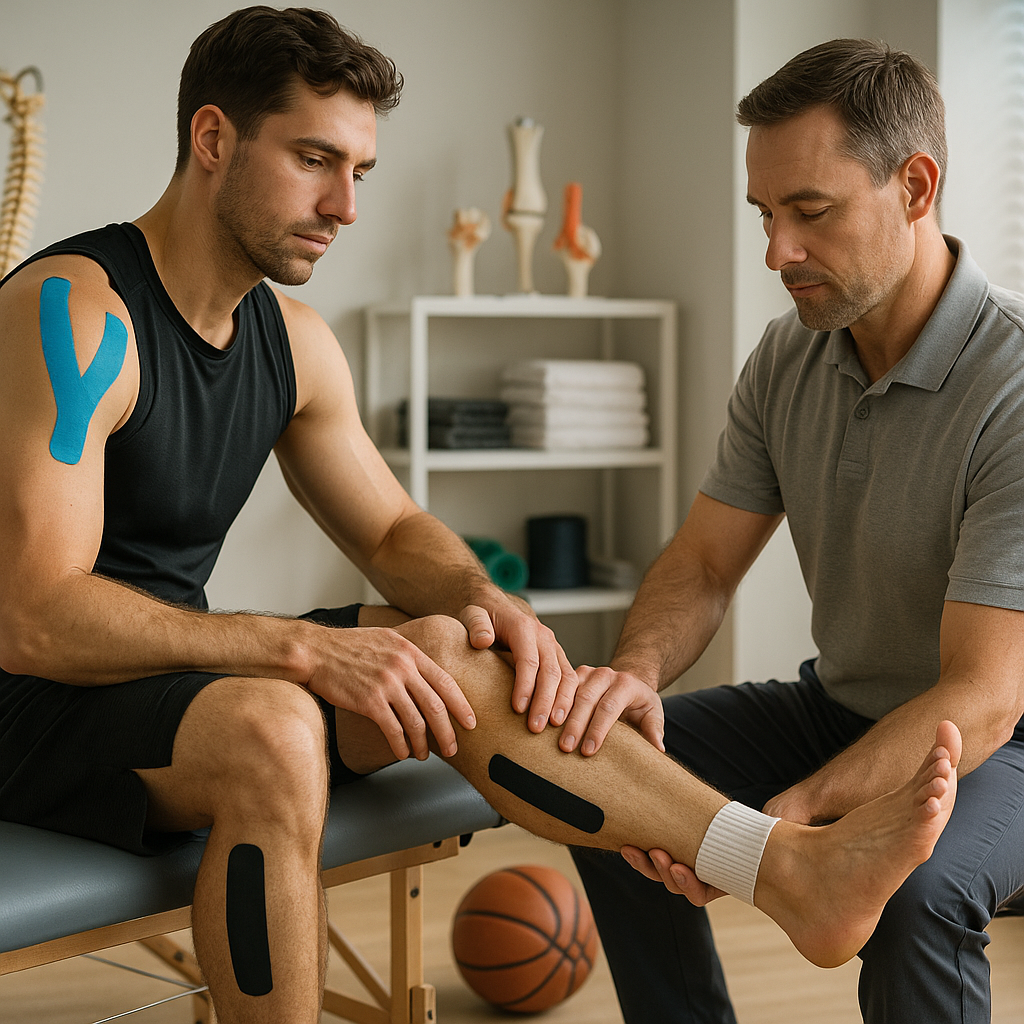
Understanding the Chiropractic Approach to Basketball Injuries
Basketball is one of the most physically demanding sports in the world. The rapid directional changes, explosive jumps, sudden stops, and constant physical contact place enormous stress on the musculoskeletal system. From recreational players shooting hoops on weekends to professional athletes competing at the highest levels, basketball injuries are an unavoidable reality of the sport. This is precisely where a basketball injury chiropractor plays a critical and often underappreciated role in both treatment and long-term athletic performance.
Chiropractic care offers a non-invasive, drug-free approach to addressing the physical demands placed on basketball players. Rather than simply managing symptoms, chiropractors focus on identifying and correcting the underlying biomechanical imbalances that either cause injuries or prevent proper recovery. Understanding how this discipline applies specifically to basketball can help athletes make informed decisions about their healthcare and performance optimization strategies.
Common Basketball Injuries That Chiropractors Treat
Before exploring the chiropractic approach itself, it is helpful to understand the types of injuries that basketball players most frequently encounter. These injuries typically fall into two broad categories: acute traumatic injuries and overuse injuries resulting from repetitive motion and cumulative stress.
- Ankle sprains: Among the most prevalent injuries in basketball, ankle sprains occur when the ligaments around the ankle are overstretched or torn during landing or lateral movement.
- Knee injuries: Conditions such as patellar tendinitis, iliotibial band syndrome, and meniscus damage are common among players who engage in repeated jumping and pivoting.
- Lower back pain: The continuous bending, twisting, and defensive positioning places significant stress on the lumbar spine.
- Shoulder injuries: Rotator cuff strains and shoulder impingement are common due to overhead passing and shooting mechanics.
- Hip flexor strains: Explosive movements and sudden accelerations frequently lead to hip flexor tightness and strain.
- Neck and cervical spine discomfort: Contact situations and poor postural habits can lead to cervical misalignment and muscle tension.
- Wrist and finger injuries: Ball handling, catching, and defensive plays can result in sprains, fractures, and joint misalignments.
Each of these injuries carries specific biomechanical implications, and a skilled practitioner of court sports chiropractic is trained to address them through targeted, evidence-informed techniques.
The Foundational Philosophy of Chiropractic Care in Sports
Chiropractic medicine is rooted in the understanding that the body has an inherent capacity to heal itself when its structural systems are functioning properly. The spine, as the central conduit of the nervous system, holds particular importance. When vertebrae become misaligned — a condition referred to as a subluxation — the resulting nerve interference can diminish the body’s ability to communicate effectively, impairing muscle function, coordination, and recovery.
For basketball players, this philosophy translates into a holistic treatment model that goes beyond simply addressing the site of pain. A basketball player treatment plan developed by a chiropractor will typically incorporate spinal assessment, joint mobility evaluation, soft tissue analysis, and movement pattern observation. The goal is to restore optimal function throughout the entire kinetic chain, not just the area where discomfort is being experienced.
Basketball Spine Care: Addressing the Core of Athletic Function
The spine is the structural foundation of virtually every movement a basketball player makes. Dribbling, passing, shooting, defending, and rebounding all rely on spinal stability and mobility. When spinal health is compromised, athletic performance suffers and injury risk increases significantly. This is why basketball spine care represents one of the most important pillars of chiropractic treatment for court athletes.
Chiropractors perform detailed spinal assessments to identify areas of restriction, hypermobility, or misalignment. Spinal manipulation — commonly referred to as a chiropractic adjustment — is one of the primary tools used to address these findings. These adjustments restore proper joint mechanics, reduce inflammation in the surrounding tissues, and reestablish healthy neurological pathways that support movement quality and coordination.
For basketball players dealing with lower back pain, chiropractic adjustments to the lumbar and sacral regions can provide significant and lasting relief. By correcting the alignment of the pelvis and lumbar vertebrae, a chiropractor can alleviate the muscular compensation patterns that frequently develop in response to chronic spinal stress. This not only reduces pain but also helps prevent recurrent injury.
Chiropractic Techniques Commonly Used for Basketball Injuries
A comprehensive approach to basketball player treatment involves a variety of chiropractic techniques, each selected based on the individual athlete’s needs, injury history, and physical demands. Some of the most widely utilized methods include the following:
Spinal and Extremity Manipulation
Manual adjustments are applied to both the spine and peripheral joints such as the knees, ankles, shoulders, and wrists. These adjustments restore joint mobility, reduce pain, and improve the quality of movement throughout the body. Extremity adjustments are particularly valuable for basketball players, given the sport’s demands on the lower limbs and upper body.
Soft Tissue Therapy
Techniques such as myofascial release, Active Release Technique (ART), and instrument-assisted soft tissue mobilization (IASTM) are used to address muscle tightness, scar tissue formation, and fascial restrictions. These therapies are especially beneficial for managing conditions like patellar tendinitis, IT band syndrome, and hip flexor strains.
Dry Needling and Trigger Point Therapy
Some chiropractors trained in these modalities use dry needling to release hyperirritable spots within muscle tissue, known as trigger points.













