
Understanding Soft Tissue Injuries and Chiropractic Care
Soft tissue injuries are among the most common musculoskeletal complaints affecting people of all ages and activity levels. Whether you have experienced a sudden sports-related trauma, a workplace accident, or a gradual overuse condition, the pain and functional limitations that accompany these injuries can significantly impact your daily life. A soft tissue injury chiropractor is uniquely trained to assess, diagnose, and treat these conditions using a range of evidence-informed, non-invasive techniques designed to promote soft tissue healing and restore normal movement.
Understanding what chiropractic care offers for soft tissue injuries begins with recognizing the structures involved. Soft tissues include muscles, tendons, ligaments, fascia, and other connective tissue that support and stabilize the body. When these structures are damaged, the healing process can be complex, often requiring targeted therapeutic intervention to prevent chronic dysfunction and persistent pain.
What Constitutes a Soft Tissue Injury?
Soft tissue injuries occur when the body’s non-bony structures sustain damage through trauma, repetitive stress, or poor biomechanical patterns. These injuries are broadly categorized into two types:
- Acute injuries: These result from a sudden incident such as a fall, collision, or abrupt movement. Common examples include sprains, strains, contusions, and tears.
- Chronic injuries: These develop gradually over time due to repetitive motions, poor posture, or inadequate recovery from a previous injury. Tendinitis, bursitis, and myofascial pain syndrome are typical chronic conditions.
Regardless of the type, soft tissue injuries share common symptoms including localized pain, swelling, bruising, reduced range of motion, and muscle weakness. Without appropriate treatment, these conditions can progress to long-term complications, making early chiropractic intervention particularly valuable.
The Role of a Chiropractor in Treating Soft Tissue Injuries
Chiropractors are licensed healthcare professionals with extensive training in the diagnosis and conservative management of musculoskeletal conditions. When it comes to muscle ligament treatment, chiropractors employ a holistic and biomechanical approach that addresses not only the site of injury but also the contributing factors that may be impeding recovery.
Rather than simply managing pain through medication, chiropractic care focuses on restoring proper function to the affected tissues and surrounding structures. This approach supports the body’s natural healing mechanisms while reducing inflammation, breaking down scar tissue, and improving circulation to the injured area.
Core Chiropractic Techniques for Soft Tissue Healing
A qualified chiropractor will typically develop an individualized treatment plan based on the nature and severity of the soft tissue injury. The following techniques are commonly used in connective tissue chiropractic care:
1. Spinal and Joint Manipulation
While chiropractic manipulation is most commonly associated with spinal care, it also plays an important role in soft tissue recovery. Joint restrictions in the spine or extremities can alter movement mechanics, placing undue stress on surrounding muscles and ligaments. By restoring proper joint mobility through controlled manipulation, chiropractors help reduce compensatory strain on soft tissues and improve overall functional movement.
2. Myofascial Release Therapy
Myofascial release is a hands-on technique that targets the fascia — the dense connective tissue that surrounds and interconnects muscles throughout the body. Following an injury, the fascia can become tight, restricted, or develop adhesions that limit movement and contribute to ongoing pain. Through sustained, gentle pressure applied to specific areas of tension, myofascial release helps restore elasticity and mobility to the affected tissues, facilitating more effective soft tissue healing.
3. Active Release Technique (ART)
Active Release Technique is a highly specialized, movement-based soft tissue therapy that is particularly effective for treating conditions involving muscles, tendons, ligaments, fascia, and nerves. A trained chiropractor uses precise manual pressure combined with specific patient movements to break up adhesions, restore normal tissue texture, and improve range of motion. ART is especially beneficial for athletes and individuals suffering from repetitive strain injuries, making it a cornerstone of many muscle ligament treatment protocols.
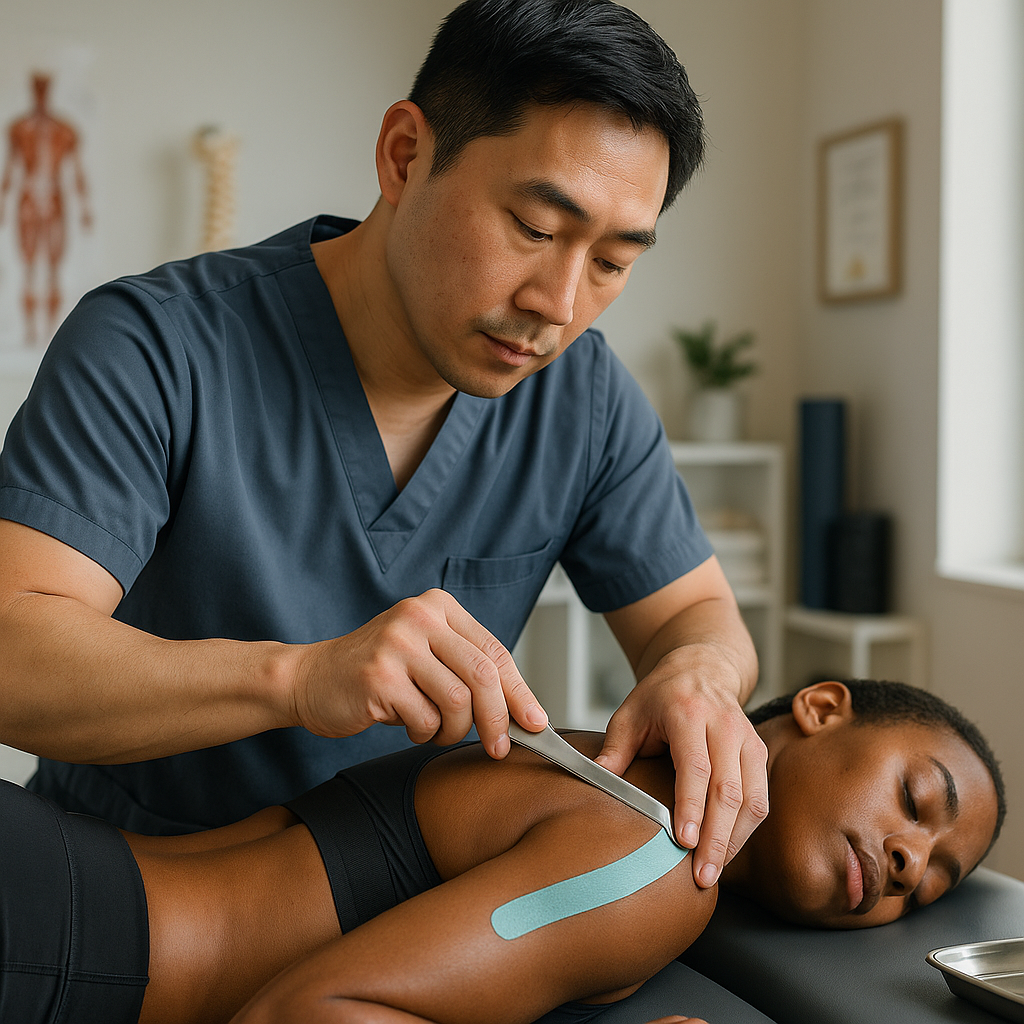
4. Instrument-Assisted Soft Tissue Mobilization (IASTM)
IASTM involves the use of specialized ergonomic tools to effectively detect and treat areas of soft tissue fibrosis, chronic inflammation, and scar tissue buildup. The instruments allow the clinician to apply controlled microtrauma to the affected area, stimulating a local inflammatory response that triggers the body’s natural healing cascade. This promotes the remodeling of disorganized collagen fibers and the regeneration of healthy connective tissue. IASTM has gained considerable recognition as a valuable component of connective tissue chiropractic management.
5. Trigger Point Therapy
Trigger points are hyperirritable spots within a taut band of skeletal muscle that can cause localized pain and referred pain patterns throughout the body. Chiropractors trained in trigger point therapy apply sustained, targeted pressure to these nodules to release muscular tension, reduce pain sensitivity, and restore normal muscle function. This technique is particularly effective for patients experiencing chronic myofascial pain and muscle tightness associated with soft tissue injuries.
6. Therapeutic Ultrasound
Therapeutic ultrasound is a modality frequently used in chiropractic practice to support soft tissue recovery. By delivering high-frequency sound waves deep into the affected tissue, ultrasound therapy generates gentle heat that increases blood flow, reduces muscle spasm, and promotes the extensibility of connective tissue. It also has non-thermal effects that stimulate cellular repair and reduce inflammation at the tissue level, making it a valuable adjunct to manual therapy for soft tissue healing.













