
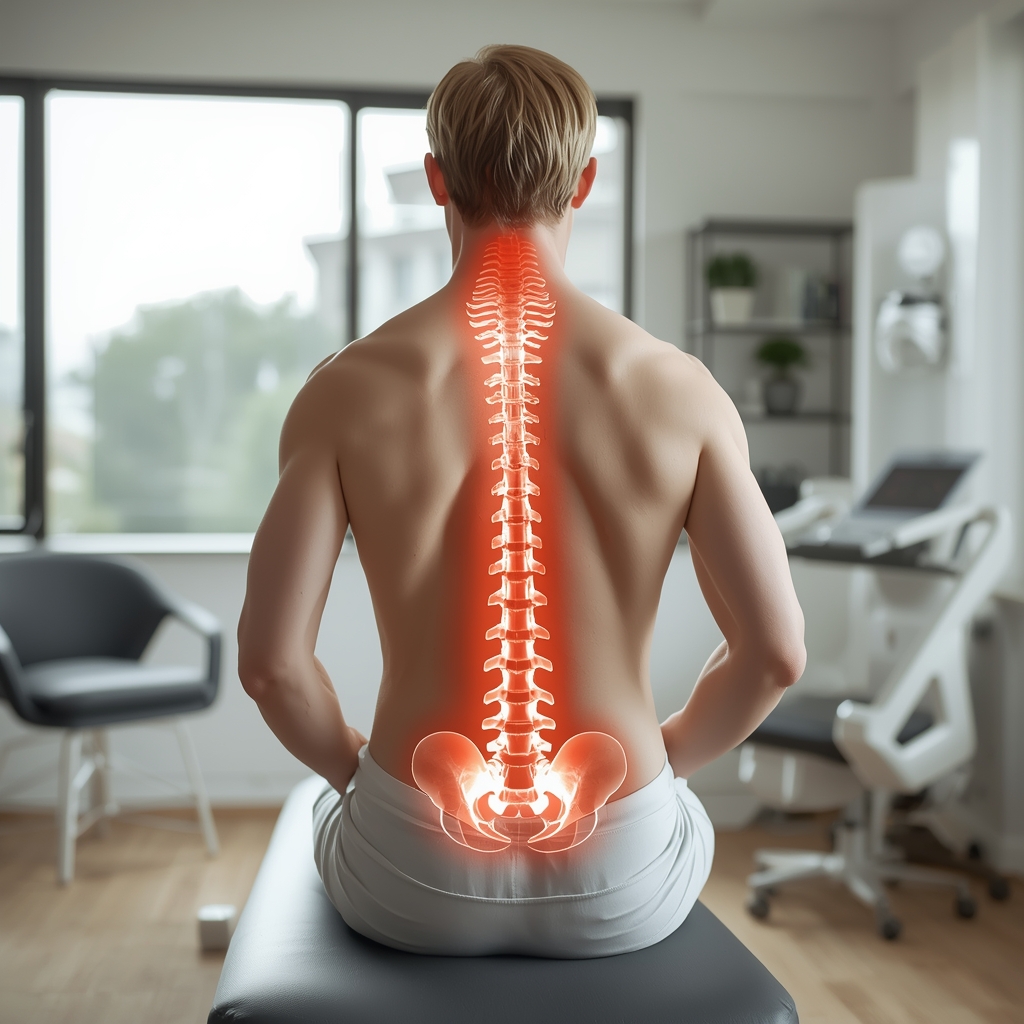
Understanding the Sacroiliac Joint and Its Role in Spinal Mechanics
The sacroiliac (SI) joint connects the sacrum to the pelvis, acting as a critical link between the spine and lower body. It provides stability while allowing limited movement, which is essential for activities like walking, bending, and twisting. Dysfunction in this joint can lead to pain, reduced mobility, and compensatory changes in adjacent structures. When a chiropractor performs an adjustment, the goal is to restore proper alignment and function. This process involves applying controlled force to the SI joint, which may influence the biomechanics of the lumbar spine. Understanding these changes requires examining how the spine adapts to improved SI joint function, as the lumbar region is closely interconnected with pelvic mechanics.
Biomechanical Changes in the Lumbar Spine After Adjustment
Adjusting the sacroiliac joint can lead to immediate biomechanical shifts in the lumbar spine. By realigning the pelvis, the adjustment may reduce abnormal pressure on the lumbar vertebrae, potentially improving spinal curvature and reducing strain on intervertebral discs. This can enhance the spine’s natural lordosis, the inward curve of the lower back, which is vital for distributing mechanical stress. Additionally, improved SI joint function may alter the distribution of forces across the lumbar region, decreasing the risk of facet joint irritation or muscle imbalances. These changes are often subtle but can contribute to better posture, reduced pain, and enhanced mobility. However, the exact mechanisms are complex and influenced by individual anatomy, making it important to consult a chiropractor for personalized assessment.
Neuromuscular Responses to SI Joint Adjustments
Adjustments to the sacroiliac joint can trigger neuromuscular responses that impact the lumbar spine. The SI joint is rich in proprioceptors, which send feedback to the central nervous system about joint position and movement. When the joint is adjusted, these signals may reset the nervous system’s perception of alignment, potentially reducing muscle tension in the lower back and gluteal regions. This can lead to improved muscle activation patterns, such as better engagement of the core stabilizers, which support the lumbar spine. Additionally, reduced pain signals from the SI joint may decrease protective muscle guarding, allowing for more natural movement. These neuromuscular adjustments can contribute to long-term improvements in spinal stability and function, though they are part of a broader interplay between joint mechanics and nervous system control.
Impact on Surrounding Muscles and Ligaments
The lumbar spine is supported by a network of muscles and ligaments that work in concert with the sacroiliac joint. When the SI joint is adjusted, these soft tissues may experience immediate or gradual changes. For example, tightness in the piriformis or gluteus maximus muscles—common in SI joint dysfunction—may decrease, relieving pressure on the lumbar spine. Similarly, ligaments such as the sacrotuberous and sacrospinous ligaments, which stabilize the SI joint, may regain their optimal tension, indirectly supporting the lumbar region. Over time, these adjustments can promote better load distribution across the pelvis and spine, reducing the risk of overuse injuries. However, the extent of these changes varies based on the patient’s condition, making professional evaluation essential for effective treatment planning.
The Role of the Lumbar Spine in Post-Adjustment Stability
Following an SI joint adjustment, the lumbar spine plays a key role in maintaining overall stability. The lumbar vertebrae are designed to bear significant load, and their interaction with the pelvis is critical for balance. When the SI joint is properly aligned, the lumbar spine can function more efficiently, reducing compensatory movements that may strain other areas. This can lead to improved posture and reduced risk of secondary issues, such as lumbar disc herniation or facet joint pain. Additionally, the adjustment may enhance the spine’s ability to absorb shock, which is particularly important during dynamic activities. While these benefits are promising, they are part of a complex system that requires ongoing care and monitoring to sustain long-term results.
Considerations for Long-Term Biomechanical Outcomes
The long-term effects of SI joint adjustments on the lumbar spine depend on several factors, including the patient’s adherence to rehabilitation protocols and overall lifestyle. While adjustments can provide immediate relief and biomechanical improvements, sustained benefits often require complementary strategies such as exercise, posture correction, and ergonomic adjustments. For instance, strengthening the core and pelvic stabilizers can reinforce the changes achieved through adjustments, preventing recurrence of dysfunction. Additionally, addressing underlying issues like poor movement patterns or muscle imbalances is crucial for lasting results. Patients should work closely with their chiropractor to develop a comprehensive care plan, as individual responses to treatment can vary widely. Regular follow-ups and open communication are essential for optimizing outcomes and maintaining spinal health over time.














