
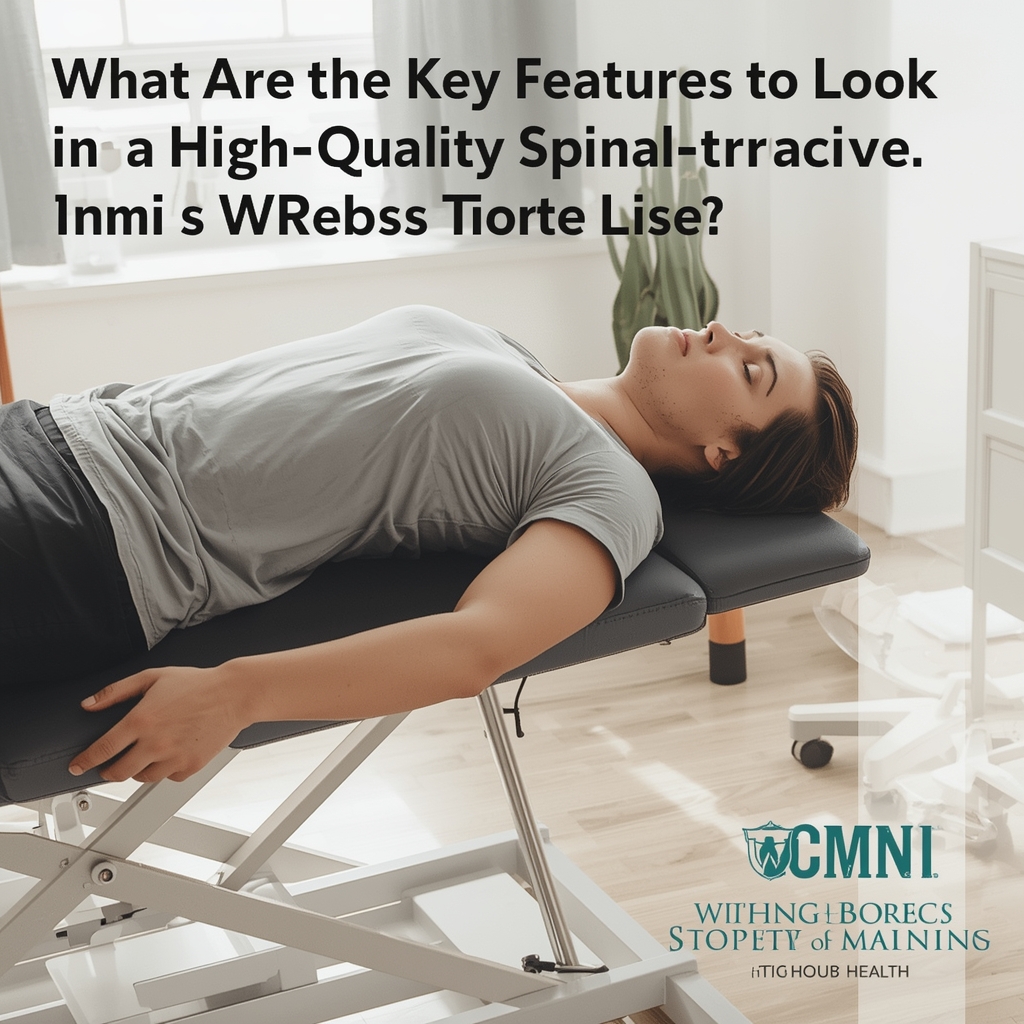
Understanding Spinal Traction Devices
Spinal traction devices are mechanical tools designed to gently stretch the spine, relieving pressure on nerves and discs. For home use, these devices aim to replicate the controlled decompression techniques used in clinical settings. Key considerations include the device’s ability to target specific spinal regions—such as the cervical (neck) or lumbar (lower back) areas—and its capacity to deliver consistent, adjustable force. Unlike professional decompression systems, home models prioritize user safety and ease of operation. They often feature ergonomic designs to accommodate different body types and postures. While these devices may complement chiropractic care, they should not replace professional evaluation. Understanding their purpose helps users make informed choices about which features align with their needs and goals.
Adjustability and Customization
High-quality home traction devices offer adjustable settings to tailor the intensity and duration of spinal stretching. This flexibility is crucial, as individual needs vary based on spinal conditions, pain levels, and treatment goals. Look for devices with multiple resistance levels or programmable options to ensure a personalized experience. Some models include modular components, allowing users to focus on specific areas like the thoracic or lumbar spine. Customization also extends to positioning—devices that accommodate sitting, lying down, or standing postures enhance usability. However, overly complex adjustments may confuse users, so simplicity without compromising functionality is ideal. A well-designed device balances adaptability with intuitive controls, empowering users to achieve optimal results while minimizing the risk of improper use.
Safety Features and Stability
Safety is paramount when selecting a home spinal traction device. Reliable models include built-in safeguards such as emergency stop mechanisms, weight capacity indicators, and stable base designs to prevent tipping. The device should maintain steady contact with the body during operation to avoid slippage or uneven pressure. Materials used must be durable yet comfortable, with padding that distributes force evenly. Some devices incorporate sensors to detect misalignment or excessive strain, providing real-time feedback. Users should also consider the device’s stability during movement, especially if it involves dynamic adjustments. A sturdy construction reduces the risk of accidents, while clear instructions ensure proper setup. Prioritizing safety features ensures the device supports therapeutic goals without compromising user well-being.
Comfort and Ergonomic Design
Comfort is essential for consistent home use, as discomfort may discourage regular sessions. High-quality traction devices feature ergonomic designs that support natural spinal alignment and reduce pressure points. Adjustable straps, contoured padding, and breathable materials enhance user experience, particularly during prolonged use. The device should allow for easy positioning, whether sitting, lying down, or standing, to accommodate different preferences. Some models include lumbar or cervical supports to target specific areas effectively. Additionally, noise levels and ease of operation contribute to overall comfort—devices that operate smoothly without abrupt movements are preferable. A well-designed ergonomic system not only improves user compliance but also maximizes the therapeutic benefits of spinal traction, making it a practical addition to home care routines.
Portability and Space Efficiency
Home traction devices should balance functionality with practicality, especially regarding portability and space requirements. Compact designs are ideal for users with limited storage, while foldable or disassemblable models offer convenience. Consider the device’s weight and ease of movement, as frequent repositioning may be necessary. Some units include wheels or handles for mobility, though stability must not be compromised. Portability also relates to the device’s compatibility with different environments—whether used in a bedroom, living room, or dedicated home gym. Despite space constraints, the device must maintain structural integrity and effectiveness. A well-optimized design ensures accessibility without sacrificing quality, allowing users to integrate spinal traction into their daily routines seamlessly.
Material Quality and Longevity
The durability of a spinal traction device directly impacts its effectiveness and safety over time. High-quality materials, such as reinforced plastics, steel frames, or medical-grade fabrics, ensure the device withstands repeated use without degrading. Components like straps, padding, and joints should resist wear and tear, maintaining their functionality. Devices with corrosion-resistant finishes or moisture-proof materials are preferable, especially in humid environments. Additionally, the device’s construction should minimize creaking or loosening during operation, which could affect performance. While cost is a factor, investing in a well-built model reduces the need for frequent replacements. Prioritizing material quality not only extends the device’s lifespan but also ensures consistent, reliable support for spinal health maintenance at home.














