
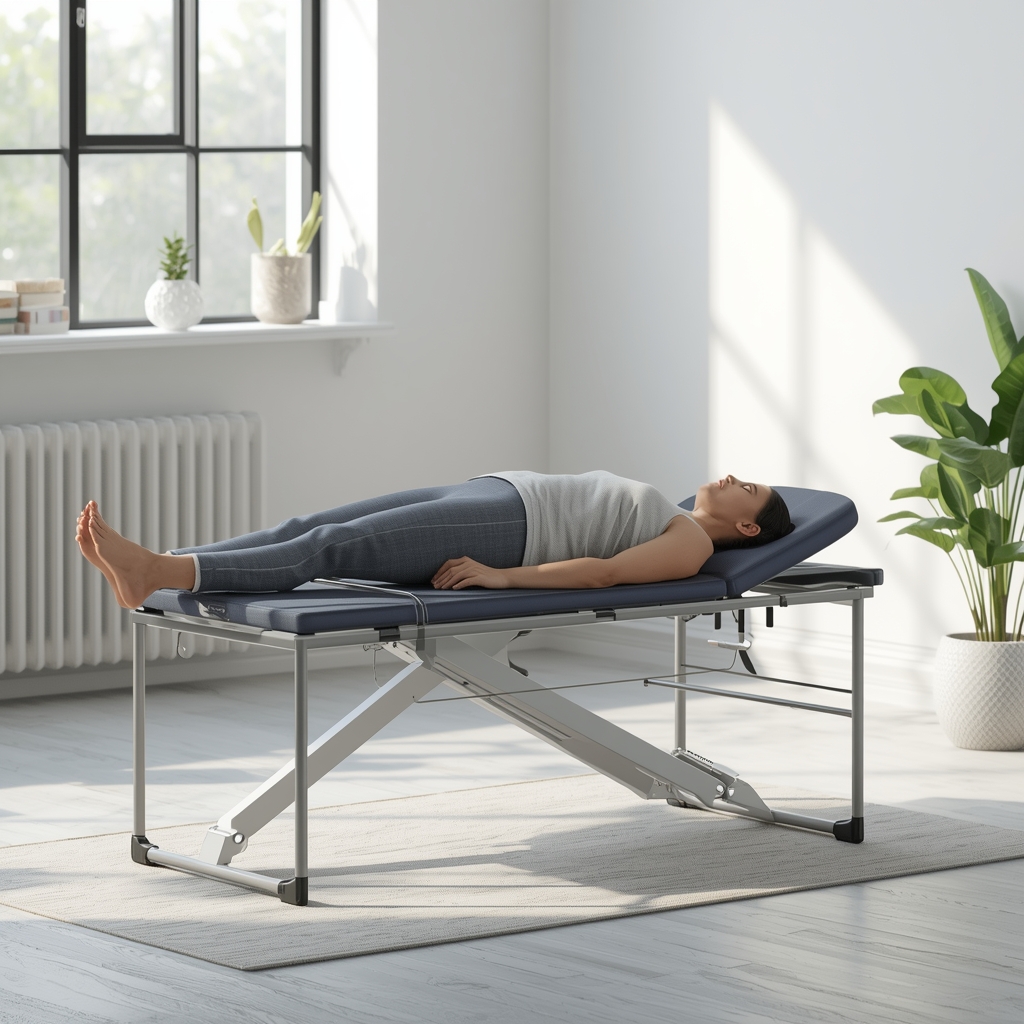
Understanding Portable Spinal Traction Devices
Portable spinal traction devices are tools designed to gently stretch the spine, relieving pressure on nerves and discs. These devices are often used to address conditions like herniated discs, sciatica, and general back pain. Unlike traditional in-office traction systems, portable versions allow users to manage their care at home, offering flexibility and convenience. They typically use mechanical or hydraulic mechanisms to apply controlled force, promoting spinal decompression. While not a substitute for professional care, they can complement chiropractic treatments. Users should approach their use with caution, ensuring proper technique to avoid injury. Always consult a chiropractor before starting any home traction regimen to determine suitability for your specific condition.
Technological Advancements in Portable Traction
Recent innovations have integrated smart technology into portable spinal traction devices, enhancing their effectiveness and user experience. Some models now feature sensors that monitor pressure levels and adjust force in real time, ensuring safer, more personalized sessions. Others connect to mobile apps, allowing users to track progress, set goals, and receive guided instructions. These advancements make home traction more accessible and data-driven, helping users maintain consistency. Additionally, wireless connectivity enables chiropractors to remotely monitor patient compliance and adjust recommendations. While these features improve usability, they also highlight the importance of professional oversight to prevent misuse. As technology evolves, such devices may become even more intuitive, bridging the gap between clinical and home care.
Design Improvements for User Comfort
Modern portable traction devices prioritize ergonomics and comfort, addressing common user concerns about usability. Innovations include adjustable straps, contoured padding, and lightweight materials that reduce physical strain during use. Some models feature modular designs, allowing users to customize the device for different body types or spinal regions. Others incorporate vibration therapy or heat functions to enhance relaxation and muscle flexibility. These improvements make prolonged use more feasible while minimizing discomfort. However, comfort alone does not guarantee safety—users must follow manufacturer guidelines and professional advice. Proper positioning and gradual intensity adjustments remain critical to avoiding overuse injuries. As designs continue to evolve, the focus on user-centric features will likely expand, making home traction a more viable option for a broader audience.
Applications for Common Spinal Conditions
Portable spinal traction devices are increasingly used to manage a range of spinal issues, including degenerative disc disease, facet joint pain, and postural imbalances. By gently elongating the spine, these tools can alleviate pressure on compressed nerves, potentially reducing pain and improving mobility. They are often recommended for individuals with chronic lower back pain or those recovering from minor injuries. Some models target specific areas, such as the cervical spine for neck pain or the thoracic region for upper back discomfort. While not a cure, regular use may support long-term spinal health when combined with other therapies. It’s important to note that results vary, and these devices work best as part of a comprehensive care plan. A chiropractor can help determine which applications align with individual needs and goals.
Safety Considerations and Proper Usage
Safety is paramount when using portable spinal traction devices, as improper use can lead to injury or worsen existing conditions. Users should always start with low-intensity settings and gradually increase pressure as tolerated. Following manufacturer instructions and consulting a chiropractor before use are essential steps. Devices should never be applied to areas with acute inflammation, fractures, or severe osteoporosis. Additionally, users must avoid overextending the spine or applying force unevenly, which could cause strain. Regular maintenance of the device, such as checking for wear and tear, ensures reliable performance. While these tools offer convenience, they are not a replacement for professional evaluation. Any worsening symptoms or discomfort should prompt immediate cessation and a consultation with a qualified provider.
Future Trends and Professional Collaboration
The future of portable spinal traction devices may involve even greater integration with telehealth and personalized medicine. Advances in AI could enable devices to adapt to user feedback, optimizing traction patterns for individual needs. Wearable technology might also play a role, providing real-time biofeedback during sessions. However, these developments underscore the need for collaboration between manufacturers and chiropractors to ensure safety and efficacy. Professional input remains crucial in determining appropriate usage and monitoring progress. As innovation continues, the focus will likely stay on enhancing patient outcomes through safe, evidence-based tools. Users should remain informed about emerging technologies while prioritizing guidance from healthcare providers to make informed decisions about their spinal health.












