
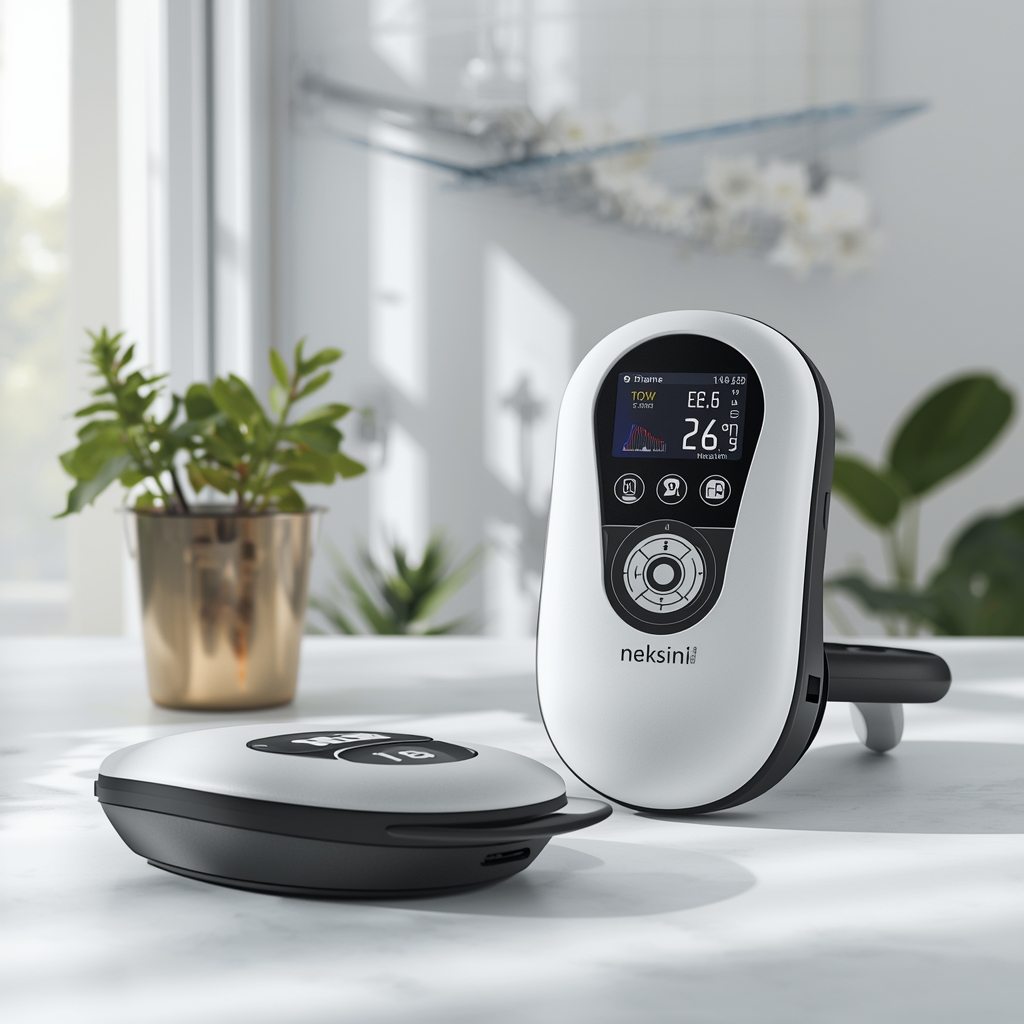
Wireless and Portable TENS/EMS Devices
Recent advancements in TENS/EMS technology prioritize portability and convenience. Modern devices now feature wireless connectivity, allowing patients to use them without cumbersome wires. This enables greater mobility during daily activities, making chronic pain management more practical. Many units are compact, battery-operated, and designed for easy use at home or on the go. These improvements enhance patient adherence to therapy, as users can integrate treatment into their routines without significant disruption. Chiropractors should note that wireless models often include adjustable settings for personalized pain relief, though they should advise patients to follow manufacturer guidelines and consult with a provider before starting any new therapy.
Smart Technology and App Integration
Smart TENS/EMS devices now connect to mobile apps, offering advanced customization and data tracking. These apps allow users to adjust settings, monitor usage patterns, and even share progress with healthcare providers. Some systems use AI-driven algorithms to suggest optimal stimulation parameters based on user feedback, potentially improving efficacy. Chiropractors can leverage this technology to remotely monitor patient compliance and adjust treatment plans as needed. However, it’s important to emphasize that app-based features should complement, not replace, professional care. Patients should still discuss their device use with their chiropractor to ensure alignment with broader treatment goals and avoid over-reliance on self-management.
Enhanced Electrode Design and Placement
New electrode technologies improve the effectiveness and comfort of TENS/EMS treatments. Adhesive gel electrodes are now more durable and less likely to cause skin irritation, while flexible designs conform better to body contours. Some devices feature self-adhering electrodes that reduce the need for additional gels or tapes. Additionally, innovations in electrode placement—such as targeted pads for specific muscle groups—allow for more precise stimulation. Chiropractors should consider these advancements when recommending devices, as improved electrode performance can enhance patient outcomes. However, proper placement remains critical, and patients should be educated on correct application to avoid ineffective or uncomfortable use.
Adaptive Stimulation Protocols
Modern TENS/EMS units increasingly use adaptive stimulation protocols that adjust to a patient’s physiological responses. These systems detect changes in muscle tension or pain levels and modify intensity or frequency accordingly. This dynamic approach may lead to more consistent relief and reduce the risk of overstimulation. Some devices also incorporate feedback mechanisms, such as real-time muscle activity monitoring, to optimize treatment. Chiropractors should stay informed about these features, as they can enhance the integration of TENS/EMS into holistic care plans. Patients should be encouraged to report any discomfort or lack of improvement, as individualized adjustments may still be necessary for optimal results.
Combination with Other Therapies
Some TENS/EMS devices now integrate with complementary therapies, such as heat or cold therapy, to address chronic pain multifactorially. For example, units that combine electrical stimulation with localized heat can reduce inflammation and relax muscles simultaneously. Others pair with vibration therapy to enhance circulation and muscle recovery. Chiropractors may find these hybrid devices useful for patients with complex pain profiles, but they should caution against overuse or improper combination of modalities. It’s essential to evaluate each patient’s condition and ensure that combined therapies align with their overall treatment strategy, avoiding potential conflicts or excessive stimulation.
Safety and User-Friendly Features
Manufacturers are increasingly prioritizing safety in TENS/EMS devices, with features like automatic shut-off, built-in timers, and impedance monitoring to prevent overuse. User-friendly interfaces, including touchscreens and voice-activated controls, make these devices more accessible to older adults or those with limited tech experience. Chiropractors should highlight these safety measures when recommending devices, as they reduce risks associated with improper use. However, patients must still follow guidelines and consult their provider before starting therapy. While these advancements improve accessibility, they do not replace the need for professional oversight in chronic pain management strategies.












