
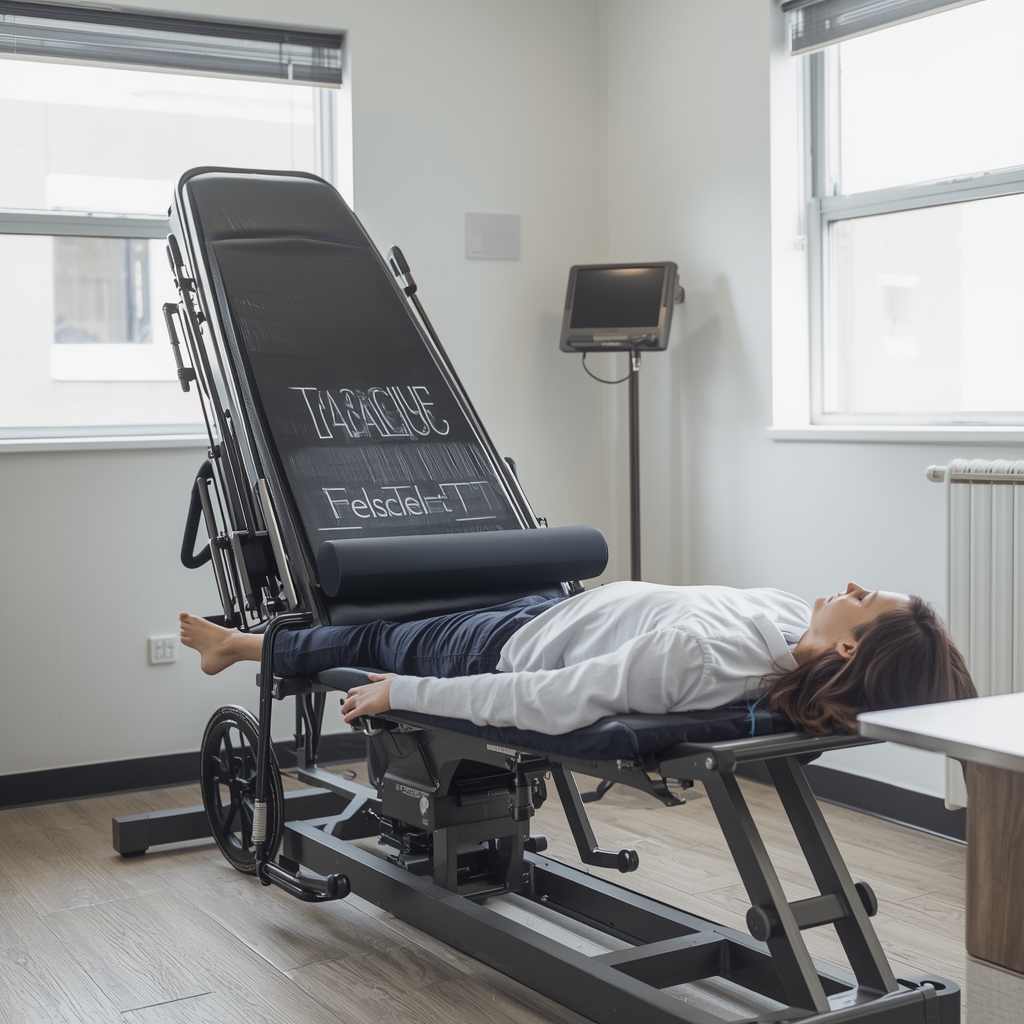
Evolution of Spinal Decompression Technology
Spinal decompression devices have evolved significantly to address herniated discs, offering non-invasive alternatives to surgery. Modern systems combine mechanical traction with advanced monitoring to gently relieve pressure on spinal discs. These innovations focus on precise alignment and controlled force application, which may help reduce disc protrusion and alleviate nerve compression. Unlike older models, newer devices often integrate adjustable settings to accommodate individual patient needs, enhancing both comfort and effectiveness. This progress reflects a broader trend toward personalized, technology-driven care in chiropractic practice.
Computerized Decompression Systems
Computerized decompression devices represent a major advancement, using digital controls to optimize treatment. These systems can adjust traction forces in real time, ensuring consistent pressure while minimizing discomfort. By analyzing patient responses, they may improve outcomes by tailoring sessions to specific spinal conditions. Some models include sensors that detect resistance, allowing for dynamic adjustments during therapy. This level of precision may enhance disc rehydration and nerve function, offering a more targeted approach than manual techniques. Such technology also enables practitioners to track progress through detailed session reports.
Portable and Home-Based Solutions
Recent innovations include portable decompression devices designed for home use, expanding access to care. These compact systems often feature ergonomic designs and user-friendly interfaces, enabling patients to manage symptoms between professional visits. While not a substitute for in-office treatments, they may support ongoing recovery by maintaining spinal alignment. Some models incorporate adjustable straps or vacuum-assisted mechanisms to simulate clinical decompression. However, patients should consult their chiropractor before using these devices to ensure proper technique and avoid potential risks associated with improper use.
Combination Therapies for Enhanced Results
Modern decompression devices frequently integrate with other therapies to maximize benefits. For example, some systems combine traction with heat therapy or electrical stimulation, addressing both structural and muscular components of herniated discs. This multi-modal approach may reduce inflammation, relax surrounding muscles, and improve disc nutrition. By synchronizing these treatments, practitioners can create more comprehensive care plans. Patients might experience faster relief and better long-term outcomes, though individual responses vary. Such combinations highlight the growing emphasis on holistic, integrated chiropractic solutions.
Real-Time Monitoring and Feedback
Advanced decompression units now include real-time monitoring features to enhance safety and efficacy. Sensors track spinal alignment, pressure levels, and patient comfort during sessions, allowing immediate adjustments. This feedback loop helps practitioners refine techniques and avoid over-treatment. Some systems provide visual or auditory cues to guide patients in maintaining proper posture. By minimizing guesswork, these technologies may increase treatment consistency and reduce the risk of complications. Patients often report greater confidence in the process, knowing their responses are continuously assessed for optimal results.
Future Directions in Decompression Innovation
Research continues to drive improvements in decompression technology, with emerging trends focusing on AI-driven customization and wearable devices. Future systems may use machine learning to predict optimal treatment parameters based on patient data. Wearable decompression tools could offer continuous, low-force support for daily activities. Additionally, advancements in materials science may lead to more comfortable, durable devices. As these innovations develop, chiropractors will need to stay informed to integrate the most effective tools into their practices. Patients should discuss new technologies with their providers to determine suitability for their specific conditions.













