
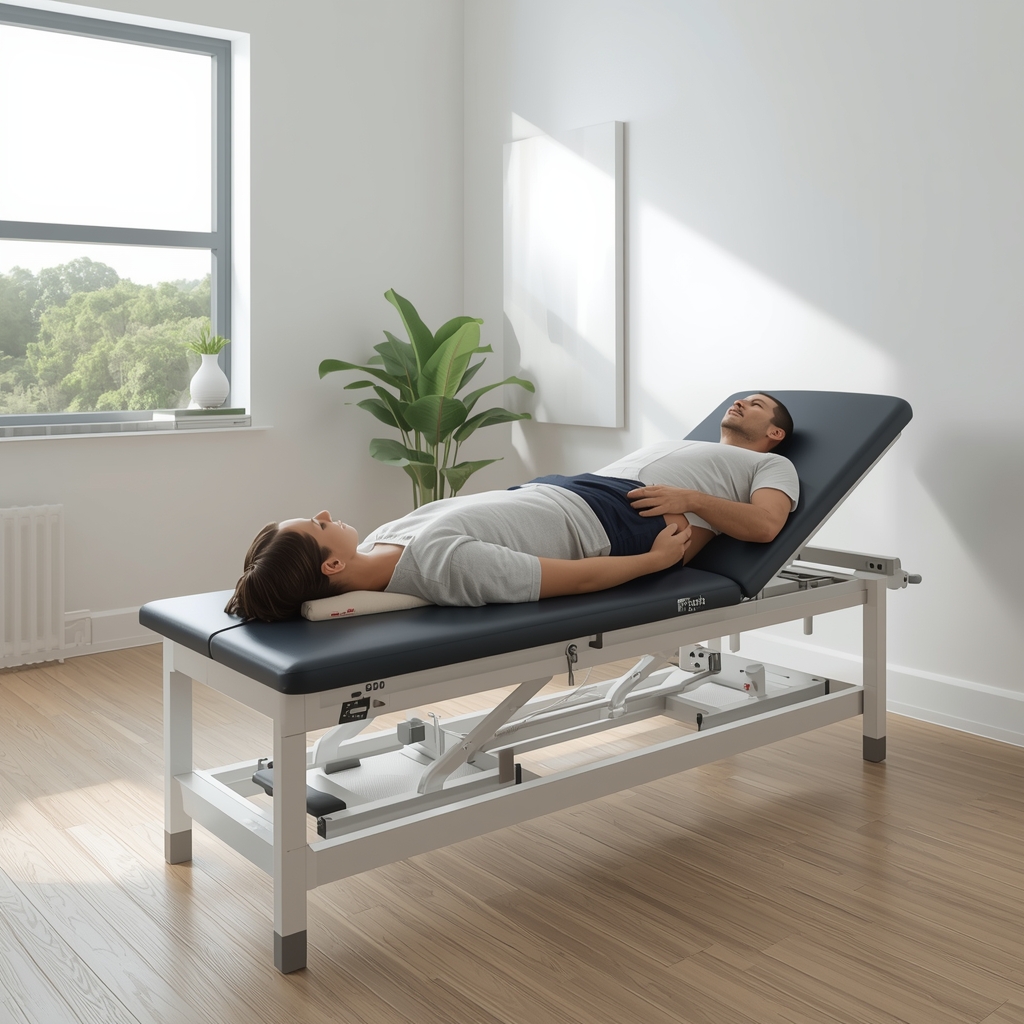
Understanding Spinal Decompression Tables
Modern spinal decompression tables are specialized devices designed to gently relieve pressure on the spine, particularly for conditions like disc herniation. These tables use controlled, mechanical traction to create space between vertebrae, which can reduce nerve compression and promote healing. Unlike traditional manual adjustments, decompression tables offer precise, consistent force application, allowing for targeted treatment of specific spinal regions. By alleviating pressure on bulging or herniated discs, these tools aim to decrease pain, improve mobility, and support the body’s natural recovery processes. While not a substitute for professional care, they are often used in conjunction with chiropractic adjustments and other therapies to enhance outcomes. Patients typically experience a non-invasive, low-risk option for managing disc-related discomfort, making these tables a valuable addition to modern chiropractic practice.
Key Features and Technologies
Spinal decompression tables incorporate advanced technologies to ensure safe and effective treatment. Many models use computerized systems to monitor and adjust pressure levels in real time, preventing excessive force that could cause harm. Some tables include adjustable traction settings, allowing practitioners to customize the intensity and duration of decompression based on the patient’s condition. Others integrate sequential decompression, where different spinal segments are treated in a specific order to optimize results. Additional features like ergonomic padding and adjustable headrests enhance patient comfort during sessions. These tools often work in tandem with imaging systems or sensors to track progress and adjust protocols as needed. By combining precision engineering with patient-centered design, modern decompression tables enable chiropractors to deliver tailored care that aligns with individual health goals and anatomical needs.
How Decompression Tables Address Disc Herniation
Disc herniation occurs when the soft inner material of a spinal disc protrudes through its outer layer, irritating nearby nerves and causing pain. Spinal decompression tables help by creating a negative pressure environment within the disc, which can encourage the herniated material to retract and reduce nerve compression. This process may also stimulate the flow of nutrients and fluids into the disc, supporting its repair. By gradually stretching the spine, these tables can alleviate pressure on affected areas without the need for surgery. Chiropractors often use decompression tables as part of a broader treatment plan, combining them with manual adjustments, therapeutic exercises, and lifestyle recommendations. While results vary, many patients report reduced pain and improved function over time. The non-invasive nature of decompression therapy makes it an appealing option for those seeking alternatives to medication or surgical intervention.
Benefits Compared to Traditional Methods
Compared to manual chiropractic adjustments, spinal decompression tables offer several advantages for disc herniation treatment. Their mechanical precision allows for consistent, controlled force application, reducing the risk of human error or overexertion. This consistency can lead to more predictable outcomes and faster recovery for some patients. Additionally, decompression tables often target specific spinal regions more effectively than general adjustments, addressing the root cause of disc-related issues. They also minimize physical strain on both the patient and practitioner, making sessions more comfortable and sustainable. For individuals with sensitive or complex conditions, the ability to customize decompression parameters enhances safety and effectiveness. While not a standalone solution, these tables complement traditional techniques, offering a versatile tool that can be adapted to diverse patient needs and treatment goals.
Patient Considerations and Safety
While spinal decompression tables are generally safe, patients should consult a qualified chiropractor to determine if this therapy suits their condition. Factors like the severity of disc herniation, overall health, and prior treatments influence the appropriateness of decompression therapy. Some individuals may experience mild discomfort during sessions, but serious side effects are rare when the procedure is performed correctly. Chiropractors typically conduct thorough evaluations before recommending decompression, ensuring it aligns with the patient’s medical history and goals. Patients should also be aware that results may vary and that multiple sessions are often needed for optimal outcomes. Open communication with the chiropractic team is essential to address concerns and adjust protocols as necessary. By prioritizing personalized care and professional guidance, decompression tables can be a valuable, safe option for managing disc herniation symptoms.
Integrating Decompression into Chiropractic Care
Spinal decompression tables are most effective when integrated into a comprehensive chiropractic care plan. Chiropractors may combine decompression therapy with manual adjustments, soft tissue work, and rehabilitative exercises to address both structural and functional aspects of disc herniation. This multidisciplinary approach can enhance recovery by targeting multiple factors contributing to pain and dysfunction. For example, decompression may reduce nerve irritation, while adjustments realign the spine, and exercises strengthen supporting muscles. Patients are often encouraged to adopt lifestyle changes, such as improved posture or ergonomic practices, to sustain long-term benefits. By leveraging the unique strengths of decompression tables alongside other techniques, chiropractors can provide well-rounded care that supports the body’s natural healing processes. As with any treatment, individualized planning and ongoing assessment are key to achieving the best possible outcomes.














