
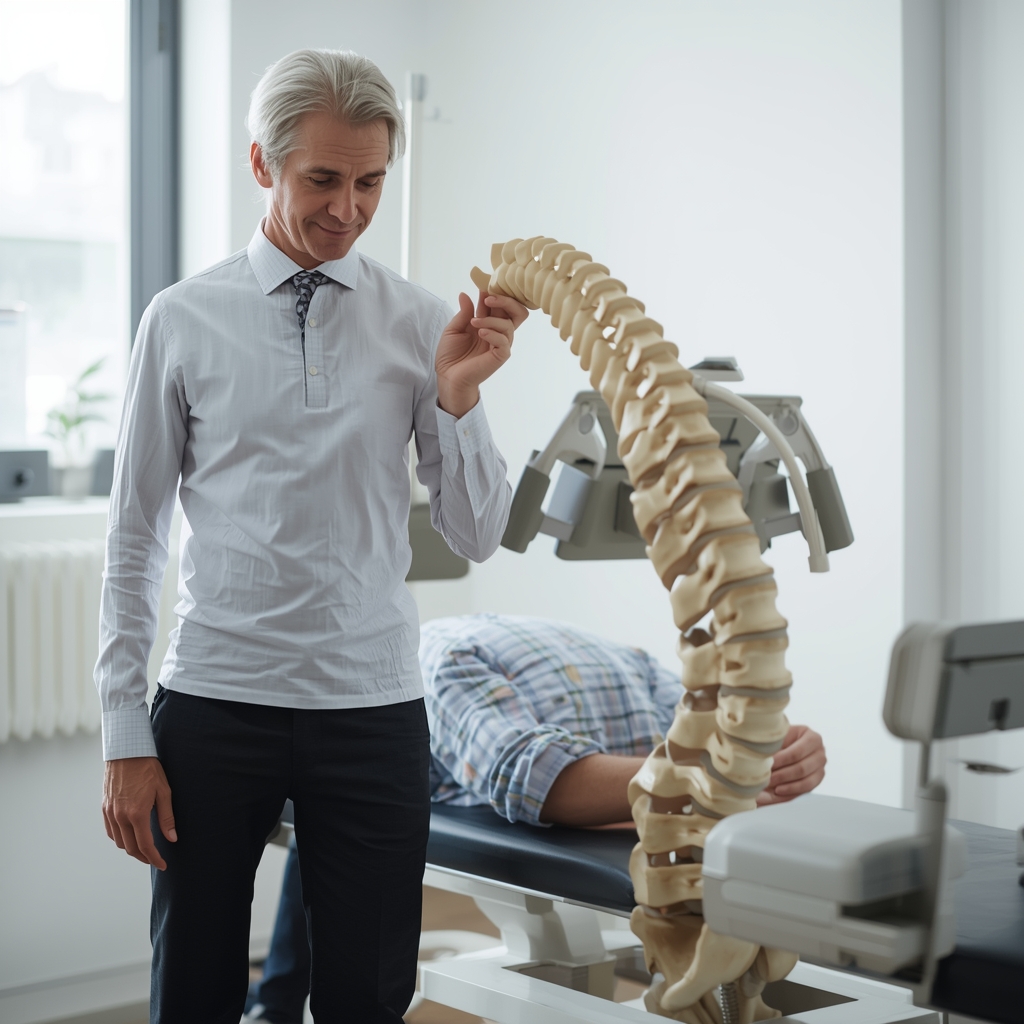
Advancements in Diagnostic Imaging for Precision Treatment
Modern chiropractic practices increasingly rely on advanced imaging technologies to enhance diagnostic accuracy for disc herniation. Tools like digital X-rays, MRI, and CT scans provide detailed visuals of spinal structures, enabling chiropractors to identify herniated discs with greater precision. These technologies help tailor decompression therapy to individual patient needs, ensuring treatments address specific anatomical issues. By offering clearer insights into spinal alignment and disc health, these tools reduce guesswork and improve the likelihood of successful outcomes. As imaging techniques evolve, they continue to play a critical role in refining spinal decompression protocols, making them safer and more effective for patients.
Computerized Spinal Decompression Tables
Computerized spinal decompression tables represent a significant leap in treating disc herniation. These devices use controlled, gradual traction to relieve pressure on compressed discs, often with programmed settings that adjust force and duration based on patient data. Unlike manual techniques, computerized systems offer consistent, repeatable results, minimizing the risk of human error. Many tables integrate real-time feedback mechanisms to monitor patient responses, allowing for immediate adjustments. This precision helps optimize decompression outcomes while reducing discomfort. As these tables become more sophisticated, they empower chiropractors to deliver targeted therapies that align with each patient’s unique condition and recovery goals.
Real-Time Monitoring Systems During Therapy
Recent innovations include real-time monitoring systems that track patient progress during decompression sessions. Sensors and software can measure spinal alignment, pressure distribution, and muscle response, providing chiropractors with instant data to refine treatments. This technology enables adjustments on the fly, ensuring therapies remain effective and comfortable. For example, systems that detect muscle tension or disc movement can alert practitioners to modify force levels or techniques. Such monitoring enhances safety by preventing overexertion and improving patient compliance. As these systems become more accessible, they are likely to become standard in clinics prioritizing precision and patient-centered care.
Integration of AI in Treatment Planning
Artificial intelligence (AI) is transforming how chiropractors plan decompression therapy. AI algorithms analyze patient data, including imaging results and medical histories, to generate personalized treatment protocols. These systems can predict optimal traction parameters, reducing trial-and-error approaches. By processing vast datasets, AI identifies patterns that may elude human practitioners, leading to more accurate diagnoses and tailored interventions. Some platforms also offer predictive analytics to forecast recovery timelines and potential complications. While AI serves as a supportive tool rather than a replacement, its integration into chiropractic care is enhancing decision-making and improving patient outcomes through data-driven precision.
Portable and Home-Based Decompression Devices
Portable decompression devices are expanding access to spinal therapy, allowing patients to continue treatment outside clinical settings. These tools, often designed for home use, employ gentle traction mechanisms to alleviate disc pressure. They may include adjustable straps, inflatable cushions, or motorized systems that mimic professional decompression tables. Such devices empower patients to maintain consistency in their care routines, which is crucial for long-term recovery. However, their use should always be guided by a qualified chiropractor to ensure proper technique and safety. As technology advances, these portable solutions are becoming more user-friendly, offering flexibility without compromising the effectiveness of spinal decompression therapy.
Enhanced Patient Safety with Modern Equipment
Newer chiropractic tools prioritize patient safety through advanced features like automated pressure controls and emergency shut-off mechanisms. For instance, modern decompression tables often include sensors that detect abnormal movements or excessive force, halting the procedure to prevent injury. These safeguards are particularly vital for disc herniation treatments, where precision is critical. Additionally, equipment with ergonomic designs reduces the risk of secondary strain for both patients and practitioners. As safety standards evolve, these innovations not only protect users but also build trust in chiropractic care. By minimizing risks, modern tools help ensure that spinal decompression remains a viable, secure option for patients seeking relief from disc-related conditions.













