
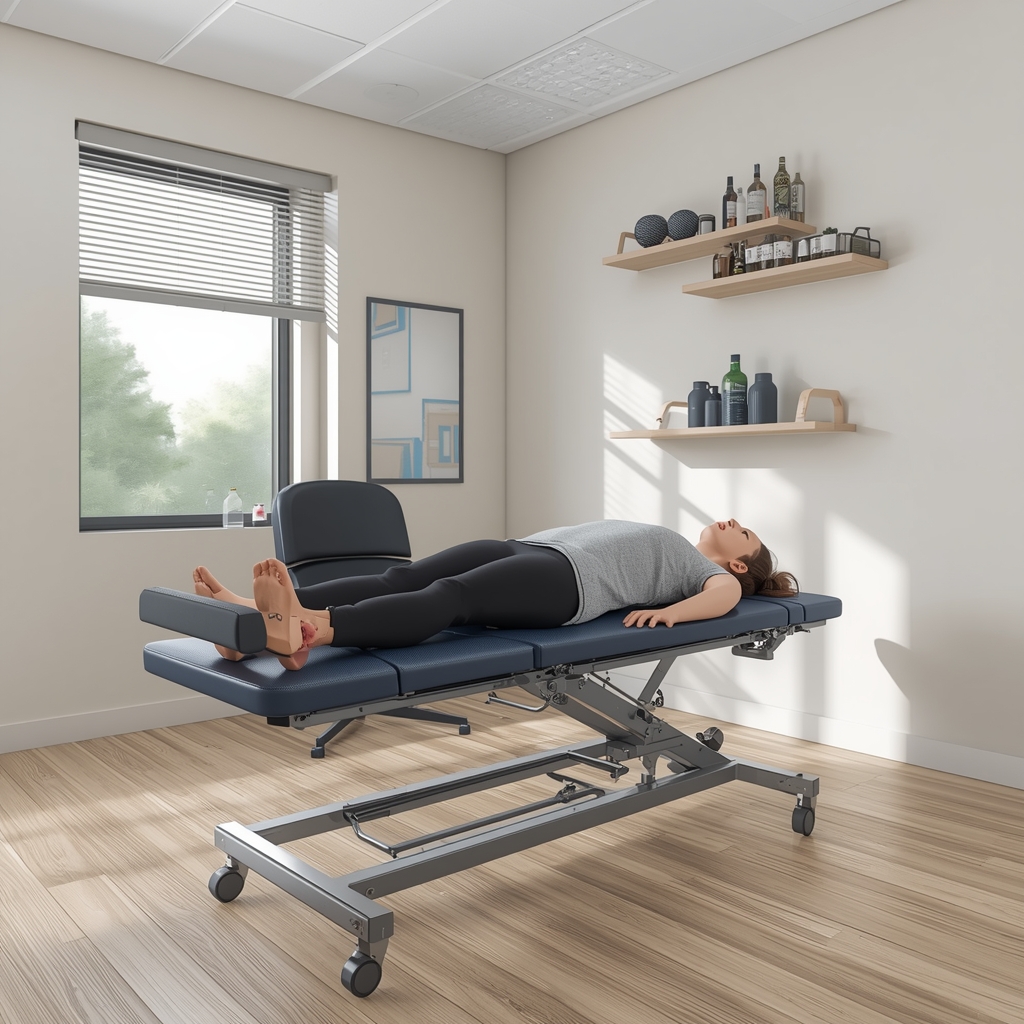
Advanced Spinal Decompression Tables
Modern spinal decompression therapy relies on specialized tables designed to gently stretch the spine and relieve pressure on discs and nerves. These tables use computerized systems to control the force and duration of decompression, ensuring precise, personalized treatment. Unlike older models, newer tables often incorporate real-time feedback mechanisms to adjust to a patient’s response, enhancing safety and effectiveness. By targeting specific areas of the spine, these tools can improve mobility and reduce pain associated with conditions like herniated discs or sciatica. Their integration with digital health records also allows chiropractors to track progress and refine treatment plans over time.
AI-Driven Diagnostic Tools
Artificial intelligence is revolutionizing how chiropractors assess and treat spinal conditions. AI-powered diagnostic tools analyze imaging data, posture assessments, and patient histories to identify misalignments or areas of weakness with greater accuracy. These systems can detect subtle patterns that may be missed by the human eye, enabling earlier intervention. By integrating AI with spinal decompression therapy, practitioners can tailor treatment intensity and focus, optimizing outcomes. Patients benefit from more targeted care, which may reduce the number of sessions needed and improve long-term results. As AI technology evolves, its role in refining decompression protocols is expected to grow, offering more data-driven approaches to spinal health.
Wearable Technology for Post-Treatment Monitoring
Wearable devices are becoming essential in spinal decompression therapy, allowing patients to track their progress outside the clinic. Devices like smart braces or posture sensors provide real-time feedback on movement, alignment, and muscle activity, helping patients maintain proper form during exercises. Some wearables connect to mobile apps, enabling chiropractors to monitor compliance and adjust treatment plans remotely. This continuous data collection supports more consistent care and helps identify issues before they worsen. By empowering patients to take an active role in their recovery, these tools enhance the effectiveness of decompression therapy and promote long-term spinal health.
Minimally Invasive Decompression Devices
Newer decompression devices prioritize minimally invasive techniques to reduce recovery time and discomfort. These tools use controlled, gradual traction to decompress the spine without the need for surgery or heavy manual manipulation. Some systems employ vacuum-like mechanisms to create negative pressure, encouraging disc rehydration and nerve relief. By minimizing tissue disruption, these devices lower the risk of side effects and make decompression therapy accessible to a broader range of patients. Their precision also allows for targeted treatment of specific spinal regions, improving outcomes for conditions like degenerative disc disease. As technology advances, these tools continue to refine the balance between efficacy and patient comfort.
Integrated Software Platforms
Software platforms that integrate with decompression therapy equipment are streamlining patient care and improving communication between chiropractors and their teams. These systems manage scheduling, treatment protocols, and patient data in one centralized hub, reducing administrative burdens. They also enable seamless sharing of progress reports with other healthcare providers, ensuring coordinated care. For patients, integrated software can offer educational resources, reminders for follow-up appointments, and access to their treatment history. This holistic approach enhances the overall experience and supports more consistent adherence to therapy. As digital health solutions expand, their role in optimizing decompression therapy is becoming increasingly vital.
Patient-Centric Design Innovations
Recent innovations in decompression tools emphasize comfort and accessibility, addressing common patient concerns. Adjustable padding, ergonomic supports, and noise-reducing features make sessions more relaxing, reducing anxiety during treatment. Some devices now include climate control elements, such as heated tables, to promote muscle relaxation. Additionally, user-friendly interfaces allow patients to better understand their treatment process, fostering trust and engagement. By prioritizing patient experience, these tools encourage regular attendance and compliance, which are critical for successful outcomes. As chiropractors adopt these advancements, they continue to refine care models that are both effective and compassionate.













