
The Rise of Digital Imaging and Real-Time Feedback Systems
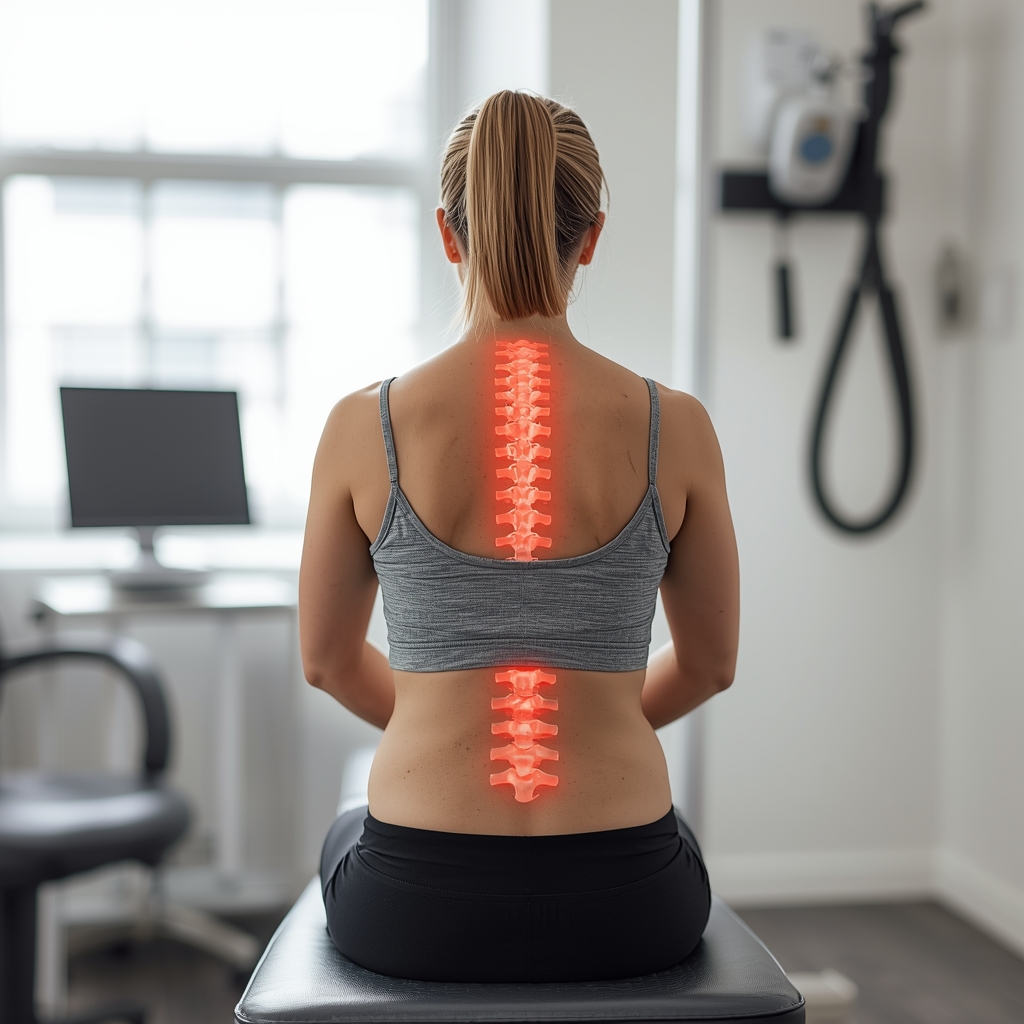
Recent advancements in digital imaging technology are transforming how chiropractors assess and treat spinal conditions. Tools like 3D motion analysis systems and high-resolution digital X-ray devices provide precise, real-time data on spinal alignment, joint mobility, and musculoskeletal function. These systems allow practitioners to identify subtle misalignments or movement irregularities that might be missed with traditional methods. By integrating this data into treatment plans, chiropractors can create more targeted adjustments, enhancing both accuracy and patient outcomes. Real-time feedback mechanisms also enable patients to visualize their progress, fostering greater engagement and adherence to care protocols. As these technologies become more accessible, they are setting a new standard for diagnostic precision in chiropractic practice.
Robotics and AI-Assisted Adjusting Devices
Emerging robotic systems and artificial intelligence (AI) are beginning to play a role in spinal adjustments, offering enhanced consistency and precision. Some devices use robotic arms to perform adjustments with calibrated force, reducing human variability and potential errors. AI-driven platforms analyze patient data, such as posture, gait, and historical treatment responses, to recommend optimal adjustment techniques. These tools are designed to complement, not replace, chiropractors, ensuring that human expertise remains central to decision-making. By minimizing guesswork and standardizing care, robotics and AI can improve treatment reliability, particularly for complex or recurring conditions. However, their use underscores the importance of ongoing training for practitioners to effectively integrate these innovations into their practice.
Wearable Technology for Posture and Movement Analysis
Wearable devices, such as smart sensors and posture-tracking apps, are empowering patients to monitor their spinal health outside clinical settings. These tools, worn on the body or integrated into clothing, collect data on posture, movement patterns, and muscle activity. Chiropractors can access this information to identify habits contributing to misalignments or pain, such as poor ergonomics at work or repetitive strain. By providing actionable insights, wearables enable patients to make real-time adjustments to their behavior, supporting long-term recovery. Additionally, these devices facilitate remote follow-ups, allowing practitioners to track progress and modify care plans without in-person visits. As wearable tech evolves, its role in proactive, patient-centered chiropractic care is expected to grow significantly.
Advanced Soft Tissue Instruments for Targeted Therapy
Newer soft tissue tools are revolutionizing how chiropractors address muscle tension, myofascial restrictions, and nerve compression. Instruments like vibration-assisted massage devices and precision-guided myofascial release tools allow for deeper, more controlled treatment of soft tissues. These devices often combine heat, pressure, or electrical stimulation to enhance therapeutic effects, promoting faster recovery and pain relief. Unlike traditional manual techniques, they can target specific areas with greater consistency, reducing the physical strain on both practitioners and patients. When used alongside spinal adjustments, advanced soft tissue instruments contribute to more comprehensive care, addressing the interconnected nature of musculoskeletal health. Their adoption reflects a broader trend toward integrating technology to improve treatment efficiency and patient comfort.
Smart Adjusting Tables with Integrated Sensors
Smart adjusting tables equipped with embedded sensors represent a significant leap in chiropractic equipment. These tables can detect patient weight distribution, muscle tension, and spinal curvature in real time, providing data that informs adjustment strategies. Some models automatically adjust their contours to optimize patient positioning, ensuring greater comfort and effectiveness during sessions. Others use sensor feedback to guide the force and angle of adjustments, minimizing the risk of overcorrection. By combining physical support with technological insights, these tables enhance the precision of manual techniques and reduce the need for repeated adjustments. As the technology matures, smart tables are likely to become a staple in practices prioritizing data-driven, patient-focused care.
The Future of Chiropractic Technology and Patient-Centered Care
As emerging tools continue to evolve, they are reshaping chiropractic care into a more personalized and evidence-based discipline. From AI-driven diagnostics to wearable health monitors, these innovations enable practitioners to deliver more accurate, efficient, and patient-specific treatments. However, the success of these technologies hinges on their integration with traditional chiropractic principles and the expertise of trained professionals. Patients benefit from faster recovery times, reduced discomfort, and greater transparency in their care journeys. Looking ahead, ongoing research and collaboration between technologists and chiropractors will be critical to refining these tools and ensuring they align with the core goal of improving spinal health. The future of chiropractic lies in balancing cutting-edge advancements with the human touch that defines this holistic field.














