
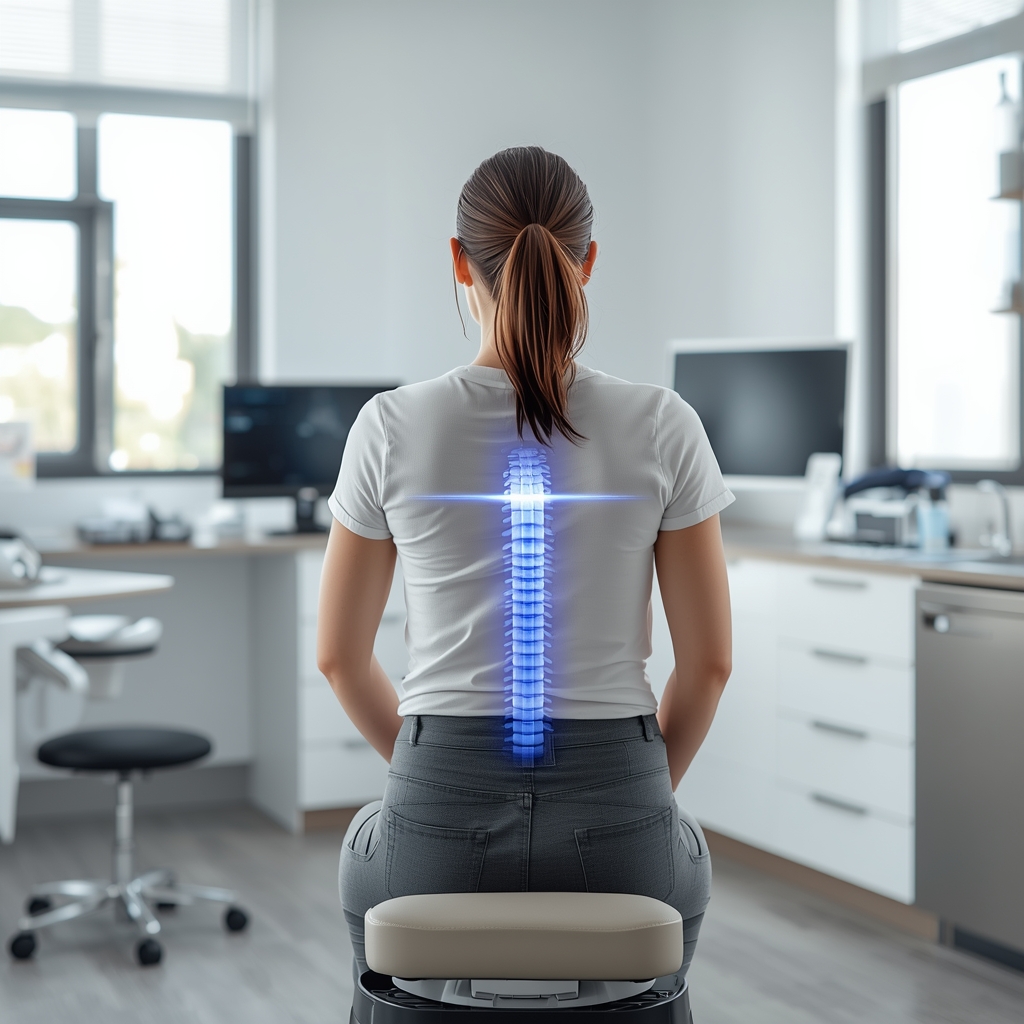
Advancements in Precision Tools for Spinal Adjustments
Modern chiropractic care is increasingly leveraging advanced tools to enhance the precision of spinal adjustments. These innovations aim to improve diagnostic accuracy, reduce patient discomfort, and optimize treatment outcomes. By integrating technology into traditional techniques, chiropractors can better assess spinal alignment and tailor interventions to individual needs. This shift reflects a broader trend toward evidence-based, patient-centered care, where tools play a critical role in refining manual adjustments. While foundational techniques remain essential, emerging technologies are redefining how practitioners approach spinal health, emphasizing consistency and targeted corrections.
Digital Palpation Devices for Enhanced Sensitivity
Digital palpation tools are revolutionizing how chiropractors evaluate spinal structures. These devices use pressure sensors and biofeedback mechanisms to detect subtle tissue changes, such as muscle tension or joint restrictions. By quantifying resistance and asymmetry, they provide objective data that complements a practitioner’s manual assessment. This technology reduces reliance on subjective interpretation, enabling more consistent and reproducible findings. Patients often experience greater comfort as adjustments become more precise, minimizing unnecessary force. While not replacing hands-on expertise, these tools empower chiropractors to make data-informed decisions, ultimately improving treatment reliability and patient trust.
Motion Analysis Systems for Dynamic Assessment
Motion analysis systems use sensors and software to track spinal movement patterns in real time. By capturing range of motion, posture, and biomechanics, these tools help identify dysfunctions that may not be apparent during static exams. Chiropractors can then design adjustments that address specific movement imbalances, leading to more effective corrections. This technology also allows for progress monitoring, enabling practitioners to adjust treatment plans based on measurable outcomes. Patients benefit from a more holistic approach, as these systems highlight how spinal alignment affects overall body mechanics. As motion analysis becomes more accessible, it is likely to become a standard component of precision chiropractic care.
AI-Driven Adjustments and Predictive Analytics
Artificial intelligence (AI) is beginning to influence chiropractic practices by analyzing vast datasets to inform adjustment strategies. AI algorithms can process patient histories, imaging, and real-time biomechanical data to suggest optimal correction techniques. This predictive approach helps practitioners anticipate potential issues and refine their methods for greater efficacy. Additionally, AI-powered tools may assist in identifying patterns that human evaluators might overlook, enhancing diagnostic accuracy. While still emerging, these technologies hold promise for personalizing care and reducing trial-and-error in treatment planning. As AI integration evolves, it could further bridge the gap between manual techniques and high-tech precision.
Real-Time Imaging Integration for Immediate Feedback
Some chiropractic practices are adopting real-time imaging technologies, such as portable X-ray systems or dynamic MRI, to guide adjustments. These tools allow practitioners to visualize spinal structures during manipulation, ensuring corrections align with anatomical goals. Immediate feedback enables adjustments to be fine-tuned on the spot, improving accuracy and reducing the need for repeated sessions. Patients appreciate the transparency and confidence that comes with visual confirmation of their spinal alignment. However, these technologies require specialized training and are still emerging in the field. Their growing adoption underscores a commitment to precision and evidence-based outcomes in modern chiropractic care.
Wearable Technology for Ongoing Spinal Monitoring
Wearable devices, such as smart sensors and posture-tracking garments, are emerging as tools for continuous spinal health monitoring. These devices collect data on movement, posture, and muscle activity, providing insights into how daily habits affect spinal alignment. Chiropractors can use this information to create customized correction plans and track progress over time. Patients gain greater awareness of their body mechanics, fostering proactive engagement in their care. While still evolving, wearable tech represents a step toward integrating long-term monitoring with chiropractic practice. As these tools become more sophisticated, they may further enhance the precision and personalization of spinal adjustments.













