
Understanding Spinal Decompression Therapy for Lumbar Disc Herniations
Spinal decompression therapy is a non-surgical treatment used to relieve pressure on compressed spinal discs, particularly in the lumbar region. It works by gently stretching the spine to create negative pressure within the discs, which can help reposition bulging or herniated material. This therapy is often recommended for patients experiencing pain, numbness, or weakness due to disc-related issues. While not a standalone solution, it is frequently integrated into broader chiropractic care plans to improve mobility and reduce discomfort. The effectiveness of decompression therapy depends on the equipment used, the patient’s condition, and the expertise of the chiropractor overseeing the treatment.
Types of Spinal Decompression Tables in Clinical Use
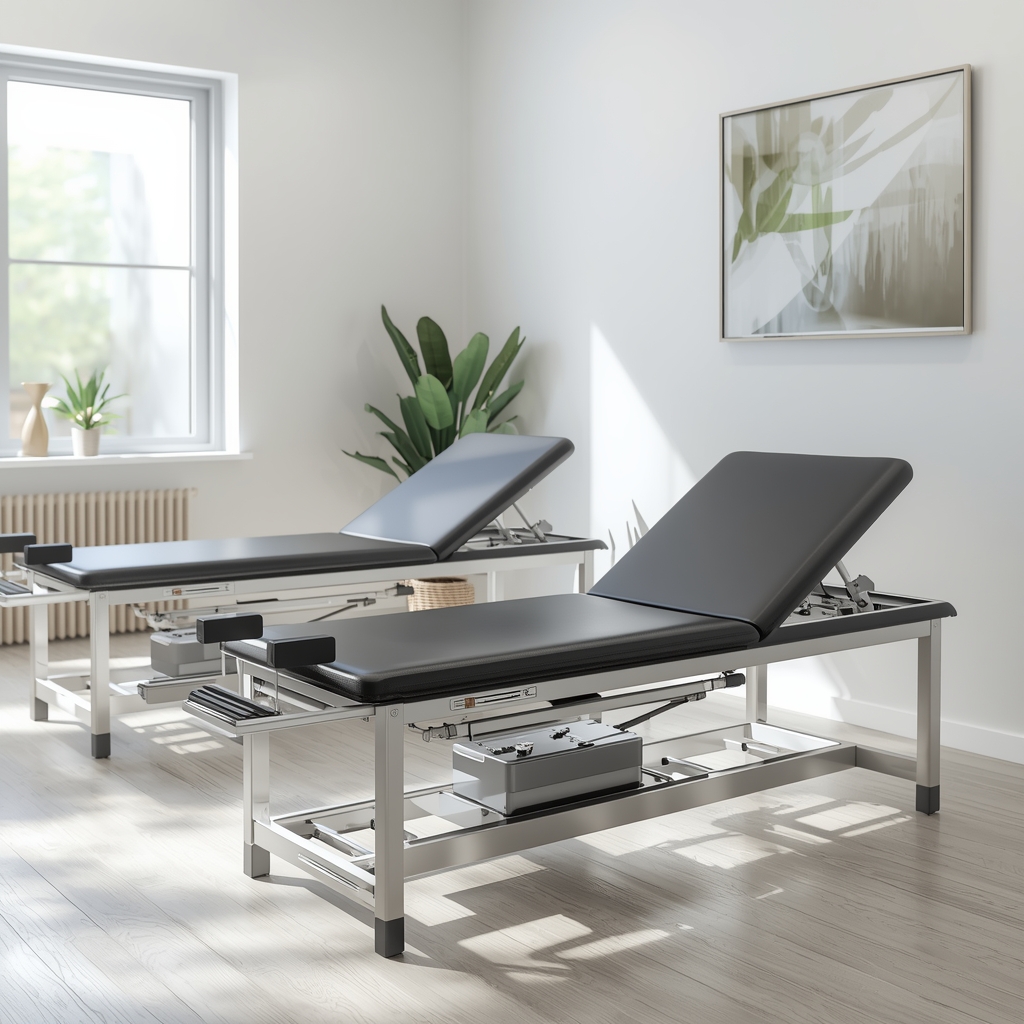
Spinal decompression tables vary in design and functionality, with some models offering advanced features like computerized traction systems or adjustable resistance. Common types include motorized tables that provide controlled, gradual decompression and manual tables requiring the chiropractor to apply force manually. Motorized systems often allow for precise adjustments, which may be beneficial for patients with complex disc herniations. However, the choice of table depends on factors such as the patient’s comfort, the severity of the condition, and the chiropractor’s preferred technique. Clinicians typically evaluate each case individually to determine the most suitable equipment for optimal outcomes.
Key Features to Consider for Effective Decompression
When selecting a spinal decompression table, features such as adjustable traction force, patient positioning options, and ergonomic design are critical. Tables that allow for both supine and prone positioning can accommodate different patient needs, while those with digital monitoring systems enable real-time adjustments. Consistent pressure distribution is also important to prevent additional strain on the spine. Some tables incorporate vacuum technology to enhance disc rehydration, though evidence on its efficacy varies. Ultimately, the goal is to achieve a balance between therapeutic pressure and patient comfort, ensuring the treatment is both safe and effective for lumbar disc herniations.
Clinical Outcomes and Patient Experiences
Clinical studies suggest that spinal decompression therapy can provide relief for some patients with lumbar disc herniations, though results vary based on individual factors. Many patients report reduced pain and improved mobility after a series of sessions, while others may require additional interventions. The therapy is often most effective when combined with other chiropractic techniques, such as spinal adjustments or soft tissue therapy. Patient adherence to treatment plans and lifestyle modifications—like avoiding heavy lifting—also plays a role in long-term success. It is essential to consult a qualified chiropractor to determine if decompression therapy aligns with your specific condition and goals.
Limitations and Considerations
While spinal decompression tables are widely used, they are not universally effective for all disc herniations. Conditions such as severe spinal instability, infections, or certain cancers may contraindicate this therapy. Additionally, some patients may experience temporary discomfort or muscle spasms during treatment. The lack of standardized protocols across devices can also lead to variability in outcomes. Chiropractors must carefully assess each patient’s medical history and current symptoms before recommending decompression therapy. It is not a substitute for surgical options in severe cases, and ongoing evaluation is necessary to adjust the treatment approach as needed.
Choosing the Right Approach with Your Chiropractor
Deciding on spinal decompression therapy involves a collaborative discussion with your chiropractor. They will evaluate the nature of your lumbar disc herniation, your overall health, and your treatment preferences. Factors such as the table’s adjustability, the clinic’s equipment maintenance practices, and the chiropractor’s experience with decompression techniques should be considered. Patients should also ask about the expected number of sessions, potential side effects, and how this therapy integrates with other care strategies. Open communication with your provider ensures that the chosen approach is tailored to your unique needs and maximizes the potential for positive outcomes.














