
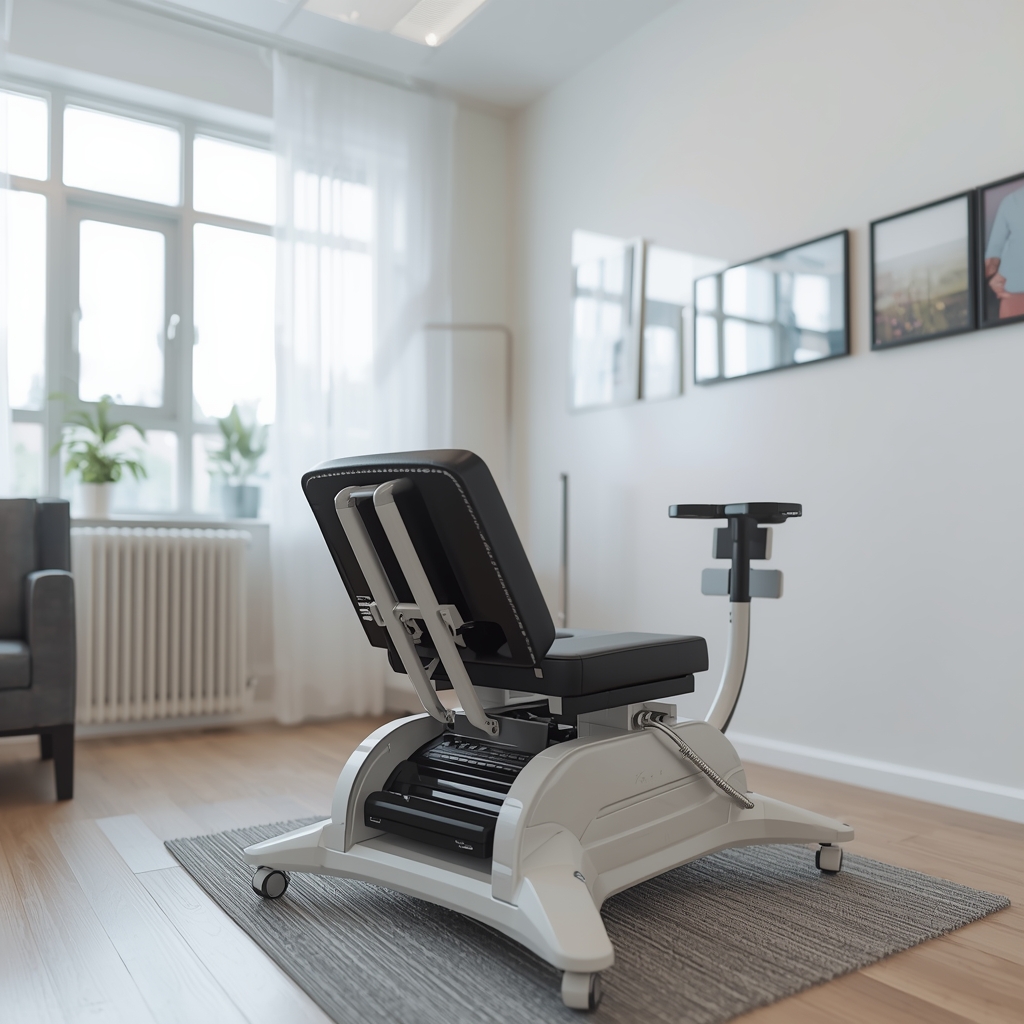
Understanding Spinal Decompression Technology
Spinal decompression devices are designed to relieve pressure on the spine, often used for conditions like herniated discs or sciatica. Modern innovations focus on improving precision and patient comfort. These devices use controlled traction to gently separate vertebrae, creating space for compressed nerves and discs. This non-invasive approach aims to reduce pain and promote natural healing. While traditional methods relied on manual techniques, newer systems incorporate digital monitoring and adjustable settings. Patients benefit from tailored treatment plans that address individual needs. The goal is to enhance recovery outcomes by minimizing discomfort and maximizing therapeutic effectiveness. Chiropractors use these tools to support spinal health without surgery, offering a viable alternative for many individuals.
Advances in Digital and Computerized Systems
Recent advancements in spinal decompression devices include computerized systems that enhance precision and control. These technologies allow for real-time adjustments based on patient feedback and physiological responses. By integrating digital sensors, practitioners can monitor pressure levels and spinal alignment during sessions. This reduces the risk of over-treatment and ensures a safer experience. Some devices use algorithms to customize decompression patterns, optimizing outcomes for different conditions. Patients often report greater comfort due to smoother, more gradual adjustments. Additionally, these systems may store patient data for tracking progress over time. Such innovations empower chiropractors to deliver more consistent and effective care, aligning treatments with each individual’s unique requirements.
Enhanced Patient Monitoring and Safety Features
Modern decompression devices prioritize patient safety through advanced monitoring systems. Sensors and feedback mechanisms help practitioners track spinal movement and pressure in real time, preventing excessive force. This level of control minimizes the risk of adverse effects and ensures treatments remain within safe parameters. Some devices include built-in safeguards that automatically adjust or halt procedures if irregularities are detected. Patients benefit from a more secure environment, fostering trust in the process. Additionally, these features enable chiropractors to make informed decisions during sessions, adapting techniques as needed. Enhanced safety not only protects patients but also allows for more aggressive treatments when appropriate, balancing effectiveness with precaution.
Customizable Treatment Protocols
Today’s spinal decompression devices offer greater flexibility in treatment protocols, allowing chiropractors to tailor sessions to individual needs. Adjustable settings enable precise control over traction force, duration, and frequency, accommodating varying conditions and patient tolerances. For example, a patient with chronic lower back pain may require a different approach than someone with a recent injury. These customizable options help optimize outcomes by addressing specific spinal issues more effectively. Additionally, some systems allow for multi-level decompression, targeting multiple areas in a single session. This adaptability ensures that treatments remain both efficient and comfortable, supporting long-term recovery and preventing re-injury through personalized care strategies.
Integration with Adjacent Therapies
Spinal decompression devices are increasingly used in conjunction with other chiropractic and therapeutic techniques. For instance, they may complement manual adjustments, soft tissue therapies, or rehabilitative exercises. This integrated approach addresses both structural and functional aspects of spinal health, enhancing overall effectiveness. Some devices are designed to work alongside modalities like heat therapy or electrical stimulation, providing a holistic treatment experience. By combining decompression with other methods, chiropractors can target pain sources more comprehensively. Patients often experience faster relief and improved mobility when multiple techniques are employed. This synergy underscores the value of a multifaceted approach to spinal care, tailored to each individual’s condition and goals.
Improving Patient Outcomes Through Innovation
Innovations in spinal decompression technology have significantly improved patient outcomes by enhancing treatment precision and comfort. These devices enable more accurate targeting of problematic areas, leading to better pain relief and faster recovery. Patients often report reduced reliance on medication and a lower likelihood of needing surgery. Additionally, the ability to customize treatments ensures that care aligns with each individual’s needs, promoting long-term spinal health. Chiropractors can now offer more effective, evidence-based solutions that support natural healing processes. As technology continues to evolve, these advancements will likely expand the range of conditions that can be addressed non-invasively. Ultimately, the focus remains on improving quality of life through safer, more efficient spinal care options.













