
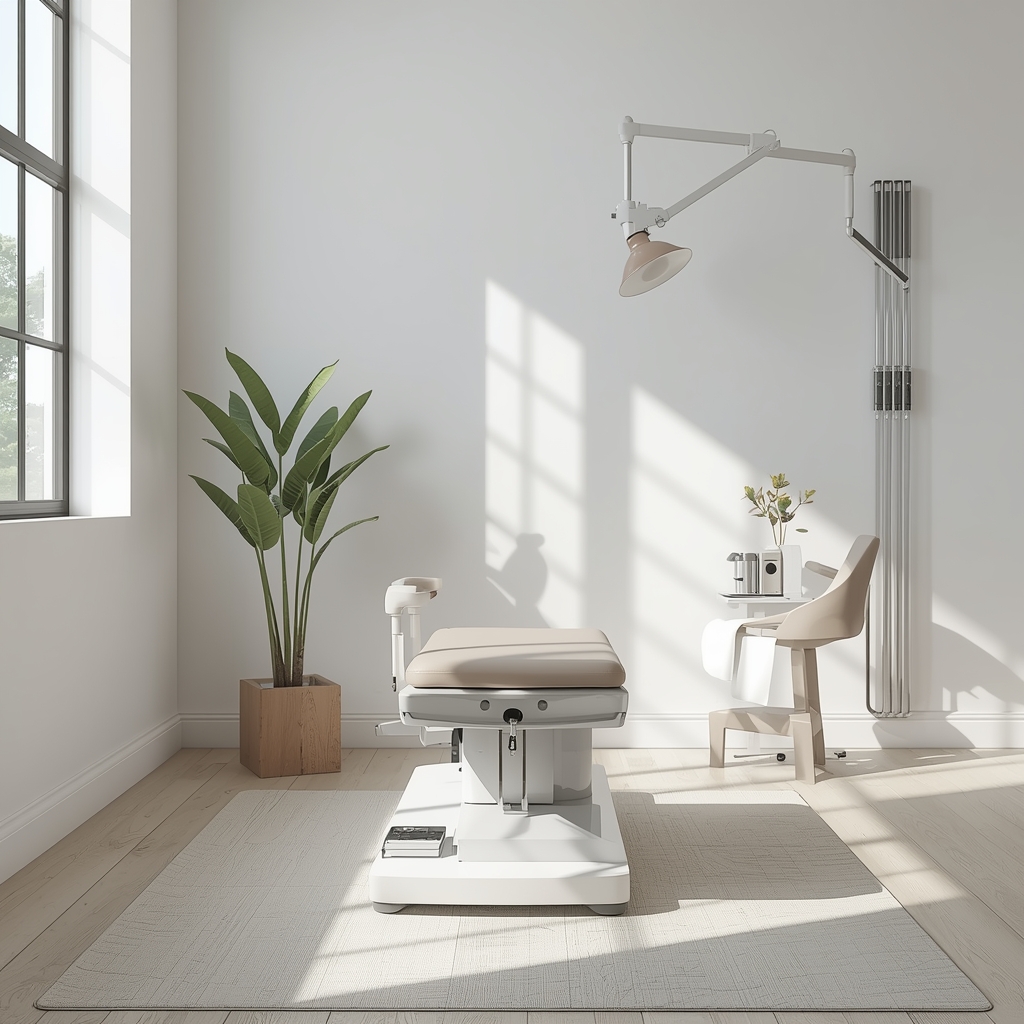
Ergonomic Design for Practitioner and Patient Safety
When selecting chiropractic tools and equipment, prioritize ergonomic design to protect both practitioners and patients. Adjustable treatment tables, for example, reduce strain on chiropractors during prolonged sessions while ensuring patient comfort. Tools like handheld instruments or spinal decompression devices should feature contoured grips and lightweight materials to minimize fatigue. Ergonomic considerations also extend to workspace layout, such as ensuring equipment is within easy reach to avoid unnecessary bending or twisting. These features not only enhance efficiency but also lower the risk of musculoskeletal injuries for practitioners. By focusing on ergonomics, practices can create a safer, more sustainable environment for both staff and patients.
Integration with Modern Diagnostic Technologies
Modern chiropractic practices benefit from equipment that complements advanced diagnostic tools. For instance, digital X-ray systems or posture analysis software can streamline patient assessments and treatment planning. Portable devices like ultrasound machines or electromyography tools may also be valuable for evaluating soft tissue and nerve function. When selecting equipment, consider compatibility with existing technologies and the potential for future upgrades. Integration with electronic health records (EHR) systems can further enhance workflow efficiency. While these technologies may require upfront investment, they often improve diagnostic accuracy and patient outcomes. Always evaluate how new tools align with your practice’s diagnostic goals and patient care philosophy.
Space-Efficient and Modular Equipment
Practitioners in smaller or evolving spaces should prioritize space-saving and modular equipment. Foldable treatment tables, wall-mounted storage units, or multi-functional devices (e.g., adjustable chairs that double as examination tools) maximize limited square footage. Modular setups allow for flexible reconfiguration as practice needs change, such as adding new therapies or expanding services. Consider equipment with compact designs or stackable components to optimize storage. This approach not only improves workflow but also creates a more organized, patient-friendly environment. By planning for scalability, practices can adapt to growth without frequent, costly renovations.
Patient Comfort and Accessibility Features
Patient comfort is a critical factor in equipment selection, as it directly impacts treatment effectiveness and satisfaction. Choose tables with adjustable height, padding, and breathable materials to accommodate diverse body types and conditions. Accessibility features, such as ramps or transfer aids, ensure equitable care for patients with mobility challenges. Tools like heat therapy units or cold laser devices should be easy to use and comfortable for patients during sessions. Additionally, consider noise reduction in equipment to create a calmer atmosphere. Prioritizing comfort and accessibility fosters trust and encourages regular follow-up visits, strengthening long-term patient relationships.
Durability and Long-Term Cost-Effectiveness
Durability is essential when investing in chiropractic equipment, as frequent use demands robust construction. High-quality materials, such as reinforced steel frames or wear-resistant surfaces, ensure longevity and reduce replacement costs. While cheaper alternatives may seem appealing, they often require more maintenance or frequent repairs. Evaluate the reputation of manufacturers and read reviews from other practitioners. Long-term cost-effectiveness also involves energy efficiency for devices like electric tables or therapy units. By balancing initial expenses with projected lifespan and performance, practices can make financially sound decisions that support sustained quality care.
Compliance with Industry Standards and Regulations
Equipment must meet relevant safety and regulatory standards to protect both practitioners and patients. Look for certifications like ISO compliance or adherence to OSHA guidelines for medical devices. Regular maintenance schedules and manufacturer warranties are also crucial for ensuring ongoing safety. Practices should stay informed about updates to industry regulations, as non-compliant tools could pose risks or legal challenges. When introducing new equipment, verify that it aligns with local licensing requirements and insurance coverage policies. Prioritizing compliance not only safeguards the practice but also reinforces credibility with patients and professional peers.














