
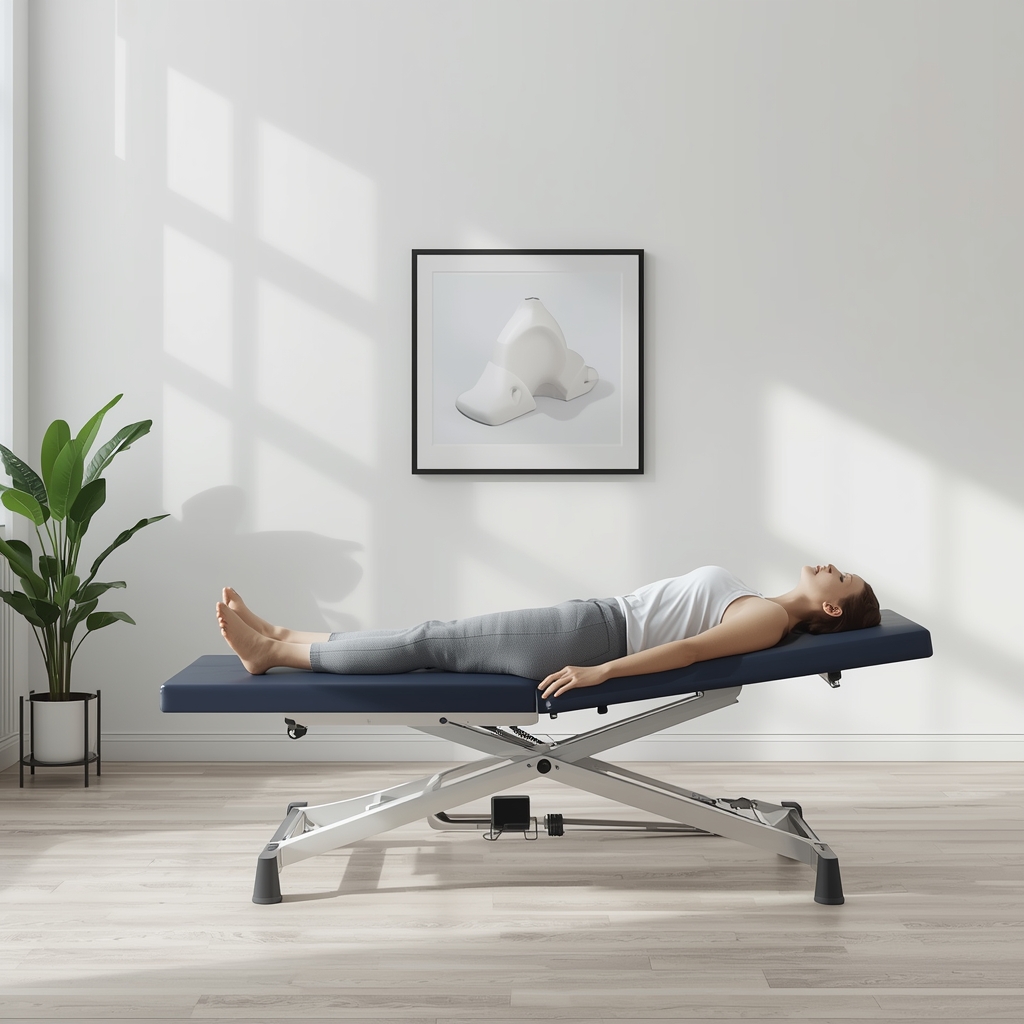
Understanding Spinal Traction Devices and Their Role in Chiropractic Care
Spinal traction devices are specialized tools used by chiropractors to gently stretch the spine, relieving pressure on compressed nerves, discs, and surrounding tissues. These devices come in various forms, including mechanical, manual, and computerized systems, each designed to address specific spinal conditions. The primary goal of traction therapy is to improve spinal alignment, reduce pain, and enhance mobility. Chiropractors select devices based on the patient’s unique needs, ensuring the chosen equipment aligns with both therapeutic goals and safety standards. While traction is often used for conditions like herniated discs or sciatica, its application varies depending on the patient’s diagnosis and overall health. Understanding how these devices function and their intended purposes is essential for making informed decisions about their use in treatment plans.
Key Factors in Choosing the Right Traction Device
Chiropractors evaluate several factors when selecting a spinal traction device, starting with the patient’s specific condition. For example, a patient with a herniated disc may require a different device than someone with spinal stenosis. The severity of the condition, the patient’s pain levels, and their medical history all influence the choice. Device type is another critical consideration—mechanical traction systems offer controlled, consistent force, while manual techniques rely on the chiropractor’s skill. Additionally, the patient’s comfort and tolerance for treatment duration play a role. Some devices allow for adjustable settings, enabling customization of pressure and duration. By thoroughly assessing these factors, chiropractors can match the right tool to the patient’s needs, maximizing the potential for positive outcomes without compromising safety.
Patient-Specific Considerations for Traction Device Selection
Every patient’s body responds differently to spinal traction, making individualized assessments crucial. Chiropractors consider factors such as age, overall health, and any pre-existing conditions that might affect treatment. For instance, elderly patients or those with osteoporosis may require gentler traction settings to avoid additional strain. Similarly, patients with chronic pain conditions may benefit from devices that allow for gradual, incremental adjustments. The patient’s lifestyle and daily activities also matter—someone with a physically demanding job might need a device that supports quick recovery and sustained relief. Chiropractors often collaborate with patients to understand their preferences and concerns, ensuring the selected device aligns with their comfort and treatment goals. This personalized approach helps minimize risks and enhances the effectiveness of traction therapy.
Prioritizing Safety Features in Spinal Traction Equipment
Safety is a top priority when selecting spinal traction devices, as improper use can lead to complications. Chiropractors look for features such as adjustable force settings, which allow precise control over the amount of pressure applied. Emergency stop mechanisms are essential to halt treatment immediately if discomfort arises. Devices with built-in sensors or monitoring systems can provide real-time feedback, ensuring the patient remains within safe parameters. Additionally, ergonomic designs reduce the risk of secondary injuries during setup or use. Chiropractors also verify that equipment meets industry safety standards and is regularly maintained. By prioritizing these features, practitioners create a secure environment for patients, minimizing the likelihood of adverse effects while maximizing therapeutic benefits.
Efficacy Considerations for Spinal Traction Devices
The effectiveness of spinal traction depends on how well the device matches the patient’s condition and treatment objectives. Chiropractors assess whether the device can deliver the appropriate range of motion and force required for the specific issue. For example, cervical traction devices differ from lumbar systems in design and function. Devices with advanced technology, such as computerized systems that track progress, may offer more precise adjustments over time. However, efficacy also hinges on the chiropractor’s expertise in operating the equipment and tailoring the treatment plan. Patient compliance and regular follow-ups are equally important, as consistent use often leads to better outcomes. By focusing on both device capabilities and clinical expertise, chiropractors can optimize the therapeutic potential of traction therapy.
Collaborating with Patients for Optimal Traction Therapy
Chiropractors emphasize open communication with patients to ensure traction therapy meets their needs and expectations. This involves explaining how the device works, what to expect during treatment, and addressing any concerns. Patients are encouraged to provide feedback on comfort levels and perceived improvements, which helps refine the treatment approach. Regular evaluations allow chiropractors to adjust the device settings or technique as needed, ensuring continued progress. By fostering a collaborative relationship, practitioners empower patients to take an active role in their care. Ultimately, the success of traction therapy relies on a partnership between the chiropractor and patient, combining clinical expertise with individual preferences to achieve the best possible outcomes.












