
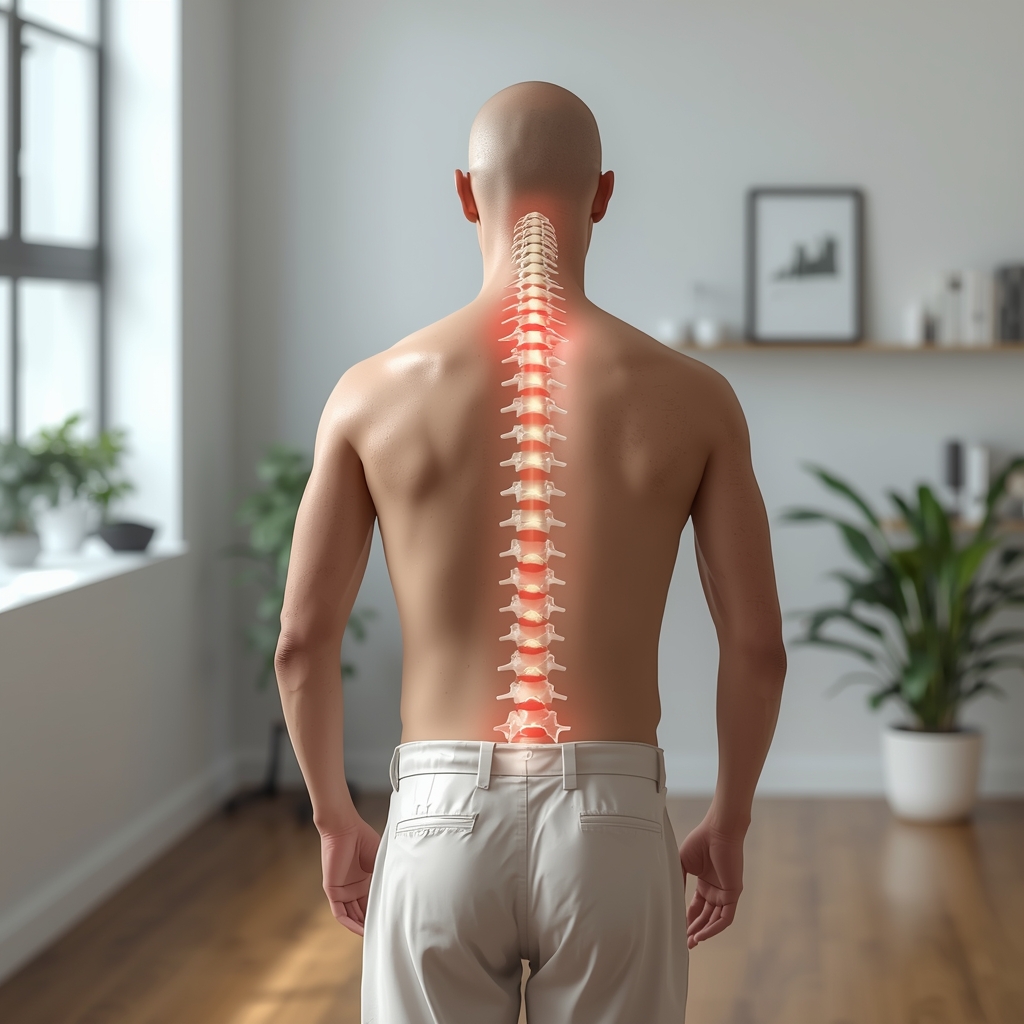
Overview of Lumbar Spine Structure
The lumbar spine consists of five vertebrae (L1-L5) stacked to form the lower back. These bones are larger and more robust than those in other spinal regions, designed to support significant weight and facilitate movement. Each vertebra has a vertebral body, pedicles, and laminae, creating a protective canal for the spinal cord. The lumbar spine also features intervertebral discs between each vertebra, acting as shock absorbers. These discs have a tough outer layer (annulus fibrosus) and a gel-like center (nucleus pulposus). The unique structure allows for flexibility while maintaining stability, but it also makes the area prone to strain from daily activities or poor posture.
Role of Intervertebral Discs
Intervertebral discs are critical for spinal function, distributing pressure and enabling movement. In the lumbar region, they bear the brunt of physical stress, making them vulnerable to wear and tear. Degeneration or herniation of these discs can compress nearby nerves, leading to pain, numbness, or weakness. For example, a bulging disc might press on a nerve root, causing radiating discomfort. The discs’ limited blood supply also slows healing, contributing to chronic issues. Understanding their role helps explain why lumbar disc problems are a common source of back pain, emphasizing the need for proper spinal care and movement to maintain disc health.
Facet Joints and Movement
Facet joints in the lumbar spine connect adjacent vertebrae, guiding and limiting movement. These synovial joints allow bending, twisting, and extension but are susceptible to arthritis or injury. Over time, wear on the cartilage covering these joints can cause inflammation, stiffness, and pain. Facet joint dysfunction often results in localized lower back discomfort, particularly during movement. Conditions like spinal stenosis may also affect these joints, narrowing the space for nerves and causing additional symptoms. Maintaining joint mobility through gentle exercise and posture awareness can reduce strain, but persistent pain should prompt consultation with a healthcare provider to explore non-invasive solutions.
Nerve Roots and Sciatica
The lumbar spine houses nerve roots that exit through intervertebral foramina, forming the sciatic nerve. Compression or irritation of these nerves—often due to herniated discs, bone spurs, or spinal stenosis—can cause sciatica, characterized by radiating pain down the legs. This condition highlights the direct link between lumbar anatomy and systemic symptoms. Nerve compression may also lead to tingling, numbness, or muscle weakness, underscoring the spine’s role in sensory and motor function. Addressing nerve-related issues typically requires a tailored approach, such as chiropractic adjustments or physical therapy, to relieve pressure and restore function.
Supporting Muscles and Ligaments
Strong muscles and ligaments stabilize the lumbar spine, but imbalances or weakness can contribute to pain. The erector spinae, multifidus, and core muscles work together to maintain posture and support movement. Ligaments like the anterior and posterior longitudinal ligaments provide additional structural integrity. However, overuse, poor posture, or injury can strain these tissues, leading to inflammation and discomfort. Chronic muscle tension or weakness may alter spinal mechanics, increasing the risk of injury. Strengthening and stretching exercises, under professional guidance, can enhance support and reduce pain, but individualized care is essential for effective management.
Common Pain Patterns and Anatomical Links
Many back pain experiences stem from the lumbar spine’s unique anatomy. For instance, degenerative disc disease often causes dull, persistent lower back pain, while a herniated disc may trigger sharp, radiating discomfort. Facet joint issues typically result in localized pain worsened by movement, and nerve compression can lead to numbness or tingling. Understanding these patterns helps identify potential causes, but accurate diagnosis requires professional evaluation. Chiropractors and other healthcare providers assess anatomical factors to develop personalized care plans, emphasizing non-invasive strategies to alleviate pain and improve function.















