
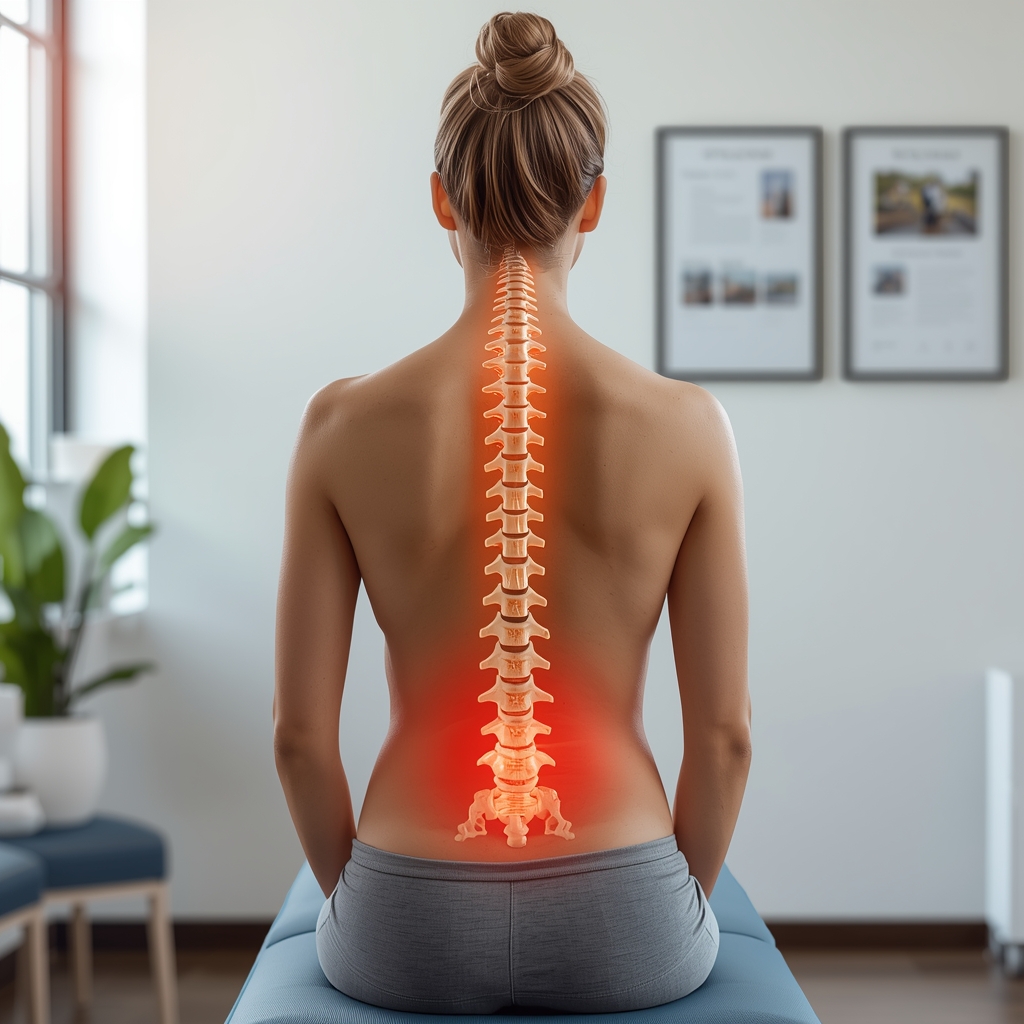
The Role of Lumbar Facet Joints in Spinal Function
The lumbar spine's facet joints are small, synovial joints located between adjacent vertebrae, enabling controlled movement and providing structural stability. These joints allow for bending, twisting, and extension of the lower back while distributing mechanical stress. Each facet joint is lined with cartilage and surrounded by a capsule filled with synovial fluid, which reduces friction during motion. When functioning properly, they contribute to the spine's overall flexibility and weight-bearing capacity. However, their unique structure also makes them susceptible to wear, inflammation, or misalignment, which can disrupt normal movement and lead to localized pain or referred discomfort in the hips, thighs, or legs. Understanding their role is critical for identifying how dysfunctions in these joints may contribute to lower back pain.
How Facet Joints Contribute to Lower Back Pain
Facet joints can become a source of lower back pain due to various factors, including degenerative changes, injury, or repetitive strain. Arthritis, for example, may cause cartilage erosion, leading to bone-on-bone contact and inflammation. Misalignment or excessive pressure on these joints can irritate surrounding nerves, triggering pain signals. Activities like heavy lifting, poor posture, or sudden twisting motions may exacerbate these issues. Additionally, facet joint dysfunction often presents as localized tenderness, stiffness, or a restricted range of motion. Unlike disc-related pain, which may radiate down the leg, facet joint pain typically remains in the lower back or spreads to the buttocks. Recognizing these patterns helps clinicians differentiate facet joint issues from other spinal conditions, guiding targeted interventions.
Common Adjustments for Facet Joint Dysfunction
Chiropractors often employ specific adjustments to address lumbar facet joint dysfunction. These techniques aim to restore proper alignment, reduce inflammation, and improve joint mobility. One approach involves gentle manipulations to realign the vertebrae, alleviating pressure on the affected joints. Spinal mobilization, a softer form of adjustment, may also be used to gradually increase range of motion. In some cases, instrument-assisted adjustments or soft tissue therapies like Active Release Technique (ART) may complement manual manipulations. The goal is to normalize joint function while minimizing discomfort. However, the exact method depends on the patient’s condition, preferences, and the chiropractor’s assessment. These interventions are typically part of a broader care plan that may include exercises or lifestyle modifications.
Non-Adjustment Therapies for Facet Joint Relief
In addition to spinal adjustments, non-invasive therapies can support recovery from facet joint issues. Physical therapy exercises, such as core strengthening or stretching, help stabilize the lumbar region and reduce joint strain. Heat or cold therapy may ease inflammation and muscle tension, while ultrasound or electrical stimulation can promote healing. Chiropractors may also recommend ergonomic adjustments or posture corrections to prevent further irritation. In some cases, injections or medications might be considered, but these are typically reserved for severe or chronic cases. Integrating these approaches with manual care can enhance outcomes, addressing both the structural and functional aspects of facet joint dysfunction. Patients are encouraged to discuss options with their chiropractor to create a personalized strategy.
When to Seek Professional Evaluation
If lower back pain persists or worsens, consulting a chiropractor is advisable to assess potential facet joint involvement. Symptoms such as localized pain, stiffness, or difficulty moving may indicate joint dysfunction. A professional evaluation usually includes a physical exam, medical history review, and possibly imaging studies to rule out other conditions. Chiropractors use specific tests, like joint palpation or range-of-motion assessments, to identify facet joint issues. Early intervention can prevent complications and improve recovery. It’s important to note that while some discomfort may resolve on its own, persistent or severe pain warrants expert guidance. A chiropractor can determine if adjustments, therapies, or referrals to other specialists are needed, ensuring a safe and effective treatment path.
Collaborative Care for Long-Term Spinal Health
Managing facet joint-related lower back pain often requires a collaborative approach involving chiropractic care and other healthcare providers. Chiropractors may work alongside physical therapists, orthopedic specialists, or pain management experts to address complex cases. This teamwork ensures comprehensive care, combining manual therapies with targeted exercises or medical treatments. Patients benefit from a holistic strategy that not only alleviates current symptoms but also prevents future issues. Regular follow-ups and open communication with healthcare providers help monitor progress and adjust plans as needed. By prioritizing spinal health through coordinated efforts, individuals can achieve lasting relief and improved quality of life. Always consult qualified professionals to determine the most suitable care plan for your specific needs.













