
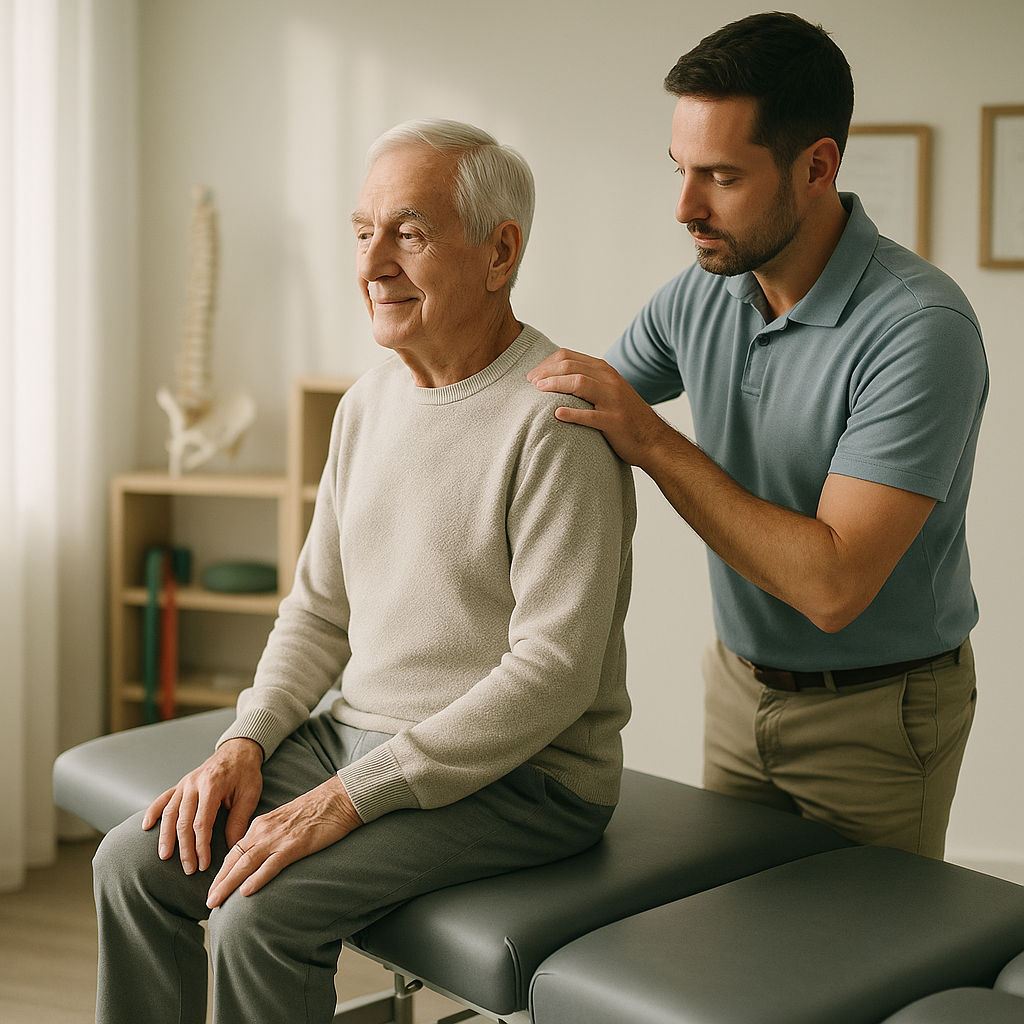
Understanding Chiropractic Care in the Context of Aging
As the body ages, it undergoes a series of natural changes that can significantly affect mobility, comfort, and overall quality of life. Joints become stiffer, bones lose density, and muscles gradually weaken. For many older adults, these changes bring chronic pain, reduced flexibility, and a growing dependence on medications. Chiropractic care has emerged as a compelling, drug-free alternative that addresses many of these age-related challenges at their root.
Elderly chiropractic benefits extend well beyond simple back adjustments. A licensed chiropractor takes a holistic approach to musculoskeletal health, working to restore proper alignment, reduce nerve interference, and support the body’s natural ability to heal itself. For seniors navigating the physical demands of aging, this type of care can be genuinely transformative.
Improving Spinal Health and Reducing Chronic Pain
One of the most well-documented advantages of chiropractic care for older adults is its positive impact on senior spine health. Conditions such as degenerative disc disease, spinal stenosis, and osteoarthritis are incredibly common among the elderly population, often resulting in persistent back pain, neck discomfort, and radiating nerve pain.
Through careful spinal manipulation and targeted adjustments, chiropractors can help realign the vertebrae, reduce pressure on compressed nerves, and alleviate inflammation in the surrounding tissues. Unlike long-term reliance on pain medications, which may carry significant side effects for older patients, chiropractic adjustments address the mechanical source of discomfort directly.
- Reduced lower back pain: Regular chiropractic sessions have been shown to significantly decrease chronic lumbar pain, one of the leading complaints among elderly patients.
- Neck pain relief: Cervical adjustments can ease tension headaches and neck stiffness often caused by years of postural strain.
- Management of arthritis symptoms: Gentle manipulation can help maintain joint function and reduce arthritic pain without the need for invasive procedures.
Enhancing Mobility and Physical Independence
Older adult mobility is a critical component of healthy aging. The ability to move freely — to walk without pain, to bend and reach without difficulty, to maintain an active lifestyle — has a profound effect on both physical and mental well-being. Unfortunately, stiffness and joint degeneration often rob seniors of this freedom gradually and quietly.
Chiropractic care actively works to restore and maintain joint range of motion. By addressing misalignments and tension in the spine and surrounding musculature, chiropractors help patients move more naturally and with less discomfort. Many elderly patients report feeling noticeably more agile and physically capable after a course of chiropractic treatment.
Beyond the adjusting table, chiropractors frequently provide personalized exercise recommendations and stretching routines designed to complement in-office care. These tailored programs help seniors build strength, maintain flexibility, and protect their joints between sessions — all of which contribute to sustained independence over time.
Fall Prevention: A Critical Benefit for Senior Patients
Falls are among the most serious health risks facing the elderly population. According to public health data, falls are a leading cause of injury-related hospitalizations and deaths among older adults. Chiropractic aging benefits include a meaningful contribution to fall prevention through several interconnected mechanisms.
Poor balance, weakened proprioception (the body’s ability to sense its position in space), and reduced coordination are all common contributors to fall risk in seniors. Chiropractic adjustments to the cervical spine and other regions have been shown to enhance proprioceptive function, effectively improving the body’s spatial awareness and balance response.
Additionally, by improving lower extremity function, relieving joint pain, and correcting postural imbalances, chiropractic care helps seniors move with greater stability and confidence. When an elderly patient walks more steadily and reacts more quickly to unexpected shifts in balance, the risk of a potentially life-altering fall is substantially reduced.
Supporting Neurological Function and Cognitive Clarity
The relationship between spinal health and neurological function is one that is increasingly being recognized in mainstream healthcare. The spine houses and protects the spinal cord — the primary communication highway between the brain and every system in the body. When spinal misalignments occur, they can interfere with this communication, contributing to a range of symptoms beyond simple pain.
For elderly patients, maintaining optimal neurological function is especially important. Some chiropractors and researchers suggest that regular spinal care may support better nerve conduction, which in turn can positively influence energy levels, cognitive clarity, and even mood. While chiropractic care is not a treatment for neurological diseases, its supportive role in maintaining a healthy nervous system environment should not be overlooked.
Reducing Reliance on Medication
Polypharmacy — the use of multiple medications simultaneously — is a well-recognized problem among elderly patients. Many older adults are prescribed several drugs to manage pain, inflammation, and related conditions, each carrying its own risk of side effects and drug interactions. Chiropractic care offers a non-pharmacological pathway to pain management that can, in many cases, reduce or even eliminate the need for certain medications.
By naturally addressing the underlying structural and biomechanical causes of pain, chiropractic treatment can help elderly patients achieve meaningful relief without adding to their medication burden. This is particularly significant for those who are sensitive to pharmaceutical side effects or who are concerned about long-term dependency on painkillers.
Mental Health and Quality of Life Improvements
The benefits of chiropractic care for seniors are not confined to the physical realm. Chronic pain has a well-established connection to depression, anxiety, and social withdrawal. When elderly patients experience sustained pain relief and improved mobility through chiropractic treatment, their overall emotional well-being often improves in parallel.
Being able to participate more fully in daily activities — whether that means gardening, playing with grandchildren, or simply walking to the local market — restores a sense of purpose and joy that chronic pain can erode over time.













