
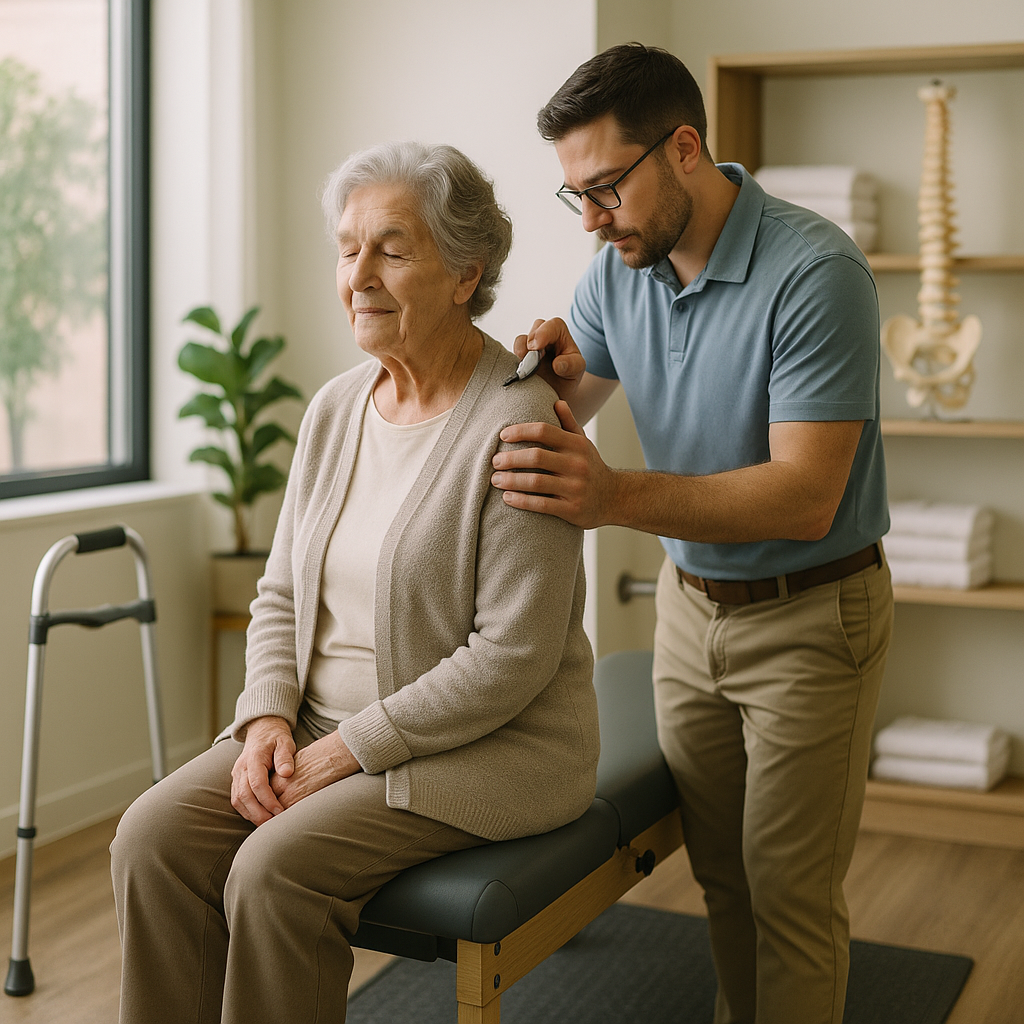
Understanding Geriatric Chiropractic Care
As the body ages, it undergoes a series of natural changes that can significantly affect mobility, comfort, and overall quality of life. Joints become stiffer, muscles lose their flexibility, and the spine may gradually lose its proper alignment. For many older adults, these changes translate into chronic pain, reduced independence, and a diminished sense of well-being. This is where geriatric chiropractic care plays a vital and often transformative role.
Geriatric chiropractic care is a specialized branch of chiropractic medicine that focuses on the unique musculoskeletal and neurological needs of elderly patients. A geriatric chiropractor is trained to assess, diagnose, and treat conditions that are commonly associated with aging, using gentle, targeted, and evidence-informed techniques designed specifically for older bodies.
Who Is Geriatric Chiropractic Care Designed For?
This form of care is intended for individuals who are typically 65 years of age and older, though it can benefit anyone experiencing age-related physical decline. Whether a patient is dealing with arthritis, degenerative disc disease, osteoporosis, or general stiffness and discomfort, a qualified geriatric chiropractor can tailor a treatment plan to meet those specific needs.
It is important to understand that chiropractic for elderly patients is not a one-size-fits-all approach. The methods used with younger adults are often modified considerably when treating seniors, taking into account factors such as bone density, existing health conditions, medications, and the patient’s overall physical condition.
Common Conditions Addressed by Geriatric Chiropractors
Older adults frequently present with a wide range of conditions that respond well to chiropractic intervention. Some of the most commonly treated issues include:
- Osteoarthritis: One of the most prevalent conditions among seniors, osteoarthritis causes joint pain and stiffness that can severely limit daily activities.
- Spinal Stenosis: A narrowing of the spinal canal that places pressure on surrounding nerves, often causing pain, numbness, or weakness in the limbs.
- Degenerative Disc Disease: The gradual breakdown of intervertebral discs, which can lead to chronic back and neck pain.
- Sciatica: Nerve pain that radiates from the lower back through the hips and down the legs, a common complaint among elderly individuals.
- Balance and Coordination Issues: Often linked to spinal misalignment or neurological disruption, which chiropractic adjustments may help address.
- General Musculoskeletal Pain: Aches and discomfort in the back, neck, shoulders, hips, and knees that accumulate over years of physical wear and tear.
Techniques Used in Aging Joint Treatment
One of the distinguishing features of geriatric chiropractic practice is the careful adaptation of techniques to suit the fragility and sensitivity of aging bodies. Standard high-velocity spinal manipulations, while effective for younger patients, may not always be appropriate for elderly individuals, particularly those with conditions such as osteoporosis or severe joint degeneration.
In the context of aging joint treatment, geriatric chiropractors may employ a variety of gentler, low-force techniques, including:
- Activator Method: A handheld instrument that delivers a precise, low-force impulse to specific joints without the need for manual manipulation.
- Drop Table Technique: A specialized chiropractic table with sections that drop slightly during adjustment, allowing for gentle spinal correction.
- Soft Tissue Therapy: Techniques such as myofascial release and gentle massage to relax muscles and improve circulation.
- Flexion-Distraction: A slow, rhythmic stretching of the spine that helps relieve pressure on discs and nerves without aggressive force.
- Mobilization: Slow, controlled movements applied to joints to gradually improve their range of motion and reduce stiffness.
These approaches are selected and combined based on the individual patient’s condition, health history, and comfort level, ensuring that care is both safe and effective.
The Role of Senior Mobility Chiropractic in Daily Life
Mobility is one of the most critical factors in determining an elderly person’s independence and quality of life. When pain and stiffness prevent seniors from performing everyday tasks — whether walking, climbing stairs, or simply getting out of a chair — the consequences extend far beyond physical discomfort. Reduced mobility can lead to social isolation, depression, and an increased risk of falls and injuries.
Senior mobility chiropractic aims to address these challenges directly by restoring proper joint function, reducing inflammation, and improving the communication between the nervous system and the rest of the body. Regular chiropractic adjustments have been shown to improve range of motion, enhance posture, and reduce the frequency and severity of pain episodes in elderly patients.
Furthermore, many geriatric chiropractors incorporate supportive recommendations into their care plans, such as tailored stretching exercises, ergonomic advice, and nutritional guidance — all of which contribute to better long-term mobility outcomes.
Benefits of Chiropractic Care for the Elderly
The potential benefits of consistent geriatric chiropractic care are broad and well-documented. Patients who undergo regular treatment often report improvements in several key areas:
- Pain Reduction: Many elderly patients experience a meaningful decrease in chronic pain without the need for additional medications or invasive procedures.
- Improved Flexibility and Range of Motion: Regular adjustments and soft tissue work help maintain and even restore joint flexibility.
Additional Resources














