
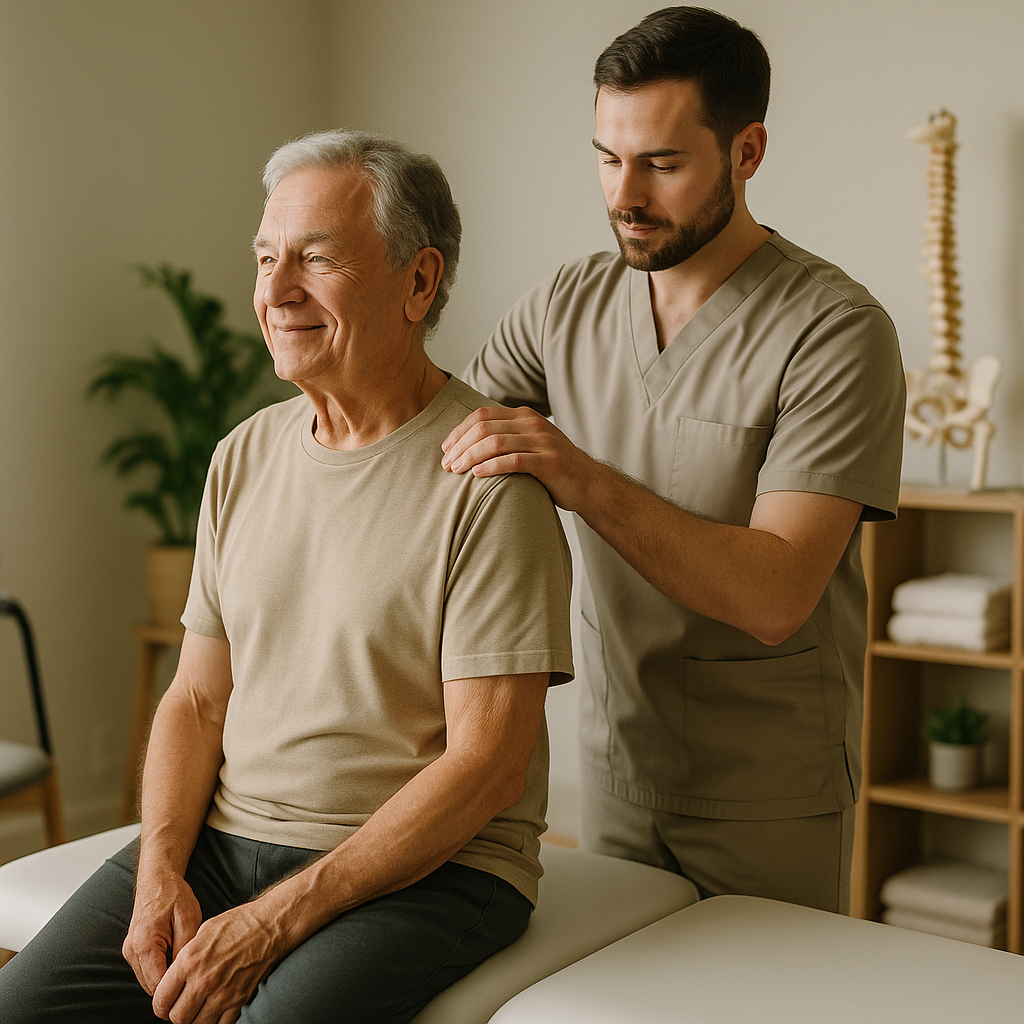
Understanding Chiropractic Care for Seniors
As the body ages, the spine and musculoskeletal system undergo significant changes that can lead to discomfort, reduced mobility, and a diminished quality of life. Senior chiropractic care has emerged as a highly effective, non-invasive approach to addressing these concerns, offering older adults a pathway to improved physical function and overall well-being. Whether you are exploring options for yourself or a loved one, understanding what chiropractic care involves for the senior population is an essential first step.
How the Aging Spine Changes Over Time
The aging spine is subject to a range of natural degenerative processes that can cause both discomfort and functional limitations. Among the most common changes observed in older adults include:
- Reduced disc hydration: Spinal discs lose moisture over time, making them less effective as shock absorbers between the vertebrae.
- Bone density loss: Conditions such as osteopenia and osteoporosis can weaken the vertebrae, increasing susceptibility to fractures and misalignment.
- Cartilage deterioration: The cartilage cushioning the joints of the spine breaks down gradually, contributing to conditions like osteoarthritis.
- Postural changes: Muscle weakness and ligament laxity can alter spinal curvature, leading to conditions such as kyphosis or forward head posture.
- Nerve compression: Narrowing of the spinal canal, known as spinal stenosis, can place pressure on the nerves, causing pain, numbness, or weakness in the limbs.
Aging spine chiropractic care is specifically designed to address these concerns by restoring proper alignment, improving range of motion, and relieving nerve-related discomfort through gentle, targeted techniques.
What Does an Elderly Chiropractor Assessment Involve?
Before any treatment begins, a qualified elderly chiropractor will conduct a thorough assessment to determine the most appropriate course of care. This process typically includes:
- A comprehensive health history review: The chiropractor will examine the patient’s medical background, including any existing conditions, medications, previous surgeries, and current symptoms.
- Physical examination: This includes evaluating posture, spinal alignment, joint mobility, muscle strength, and neurological function.
- Diagnostic imaging: In many cases, X-rays or other imaging studies may be ordered to gain a clearer picture of the structural condition of the spine and surrounding tissues.
- Functional movement assessment: The chiropractor will observe how the patient moves, sits, and stands to identify compensatory patterns and areas of dysfunction.
This thorough evaluation allows the practitioner to develop a personalised treatment plan that takes into account the unique physiological considerations of older adult spine care.
Core Techniques Used in Senior Chiropractic Care
One of the most important distinctions in senior chiropractic practice is the adaptation of techniques to accommodate the more delicate structures of the aging body. Traditional high-velocity spinal manipulation may not always be appropriate for older adults, particularly those with osteoporosis or advanced joint degeneration. As a result, experienced practitioners employ a range of modified and gentle approaches, including:
- Low-force spinal adjustments: These techniques use minimal force to correct vertebral misalignments without placing undue stress on fragile bones or joints.
- Activator method: A handheld instrument delivers controlled, gentle impulses to specific spinal segments, making it particularly suitable for patients with reduced bone density.
- Flexion-distraction therapy: A specialised table is used to gently stretch and decompress the spine, offering relief for conditions such as disc herniation and spinal stenosis.
- Soft tissue therapy: Massage and myofascial release techniques target the muscles and connective tissues surrounding the spine, reducing tension and improving circulation.
- Therapeutic exercises: Tailored exercise programmes designed to strengthen the core muscles that support the spine, improve balance, and enhance overall functional capacity.
- Joint mobilisation: Gentle, repetitive movements applied to stiff joints to gradually restore their natural range of motion.
Common Conditions Treated Through Older Adult Spine Care
Senior chiropractic is effective in managing a wide range of conditions commonly experienced by the elderly population. These include, but are not limited to:
- Osteoarthritis: Degenerative joint disease affecting the spinal facet joints can cause significant stiffness and pain. Chiropractic care helps to maintain joint mobility and reduce inflammation.
- Chronic lower back pain: One of the most prevalent complaints among older adults, lower back pain often responds well to regular chiropractic treatment.
- Neck pain and cervicogenic headaches: Misalignments in the cervical spine can contribute to chronic headaches and neck stiffness, both of which can be effectively addressed through targeted adjustments.
- Sciatica: Compression of the sciatic nerve, often caused by disc herniation or spinal stenosis, can result in radiating pain down the leg. Chiropractic care aims to relieve this pressure.
- Balance and coordination issues: Proprioceptive dysfunction related to spinal misalignment can impair an older adult’s sense of balance, increasing the risk of falls. Chiropractic treatment, combined with balance exercises, may help to reduce this risk.
- Hip and shoulder pain: Many elderly patients experience referred pain from spinal dysfunction that manifests in the hips or shoulders, which chiropractic care can help to address.
Additional Resources












