
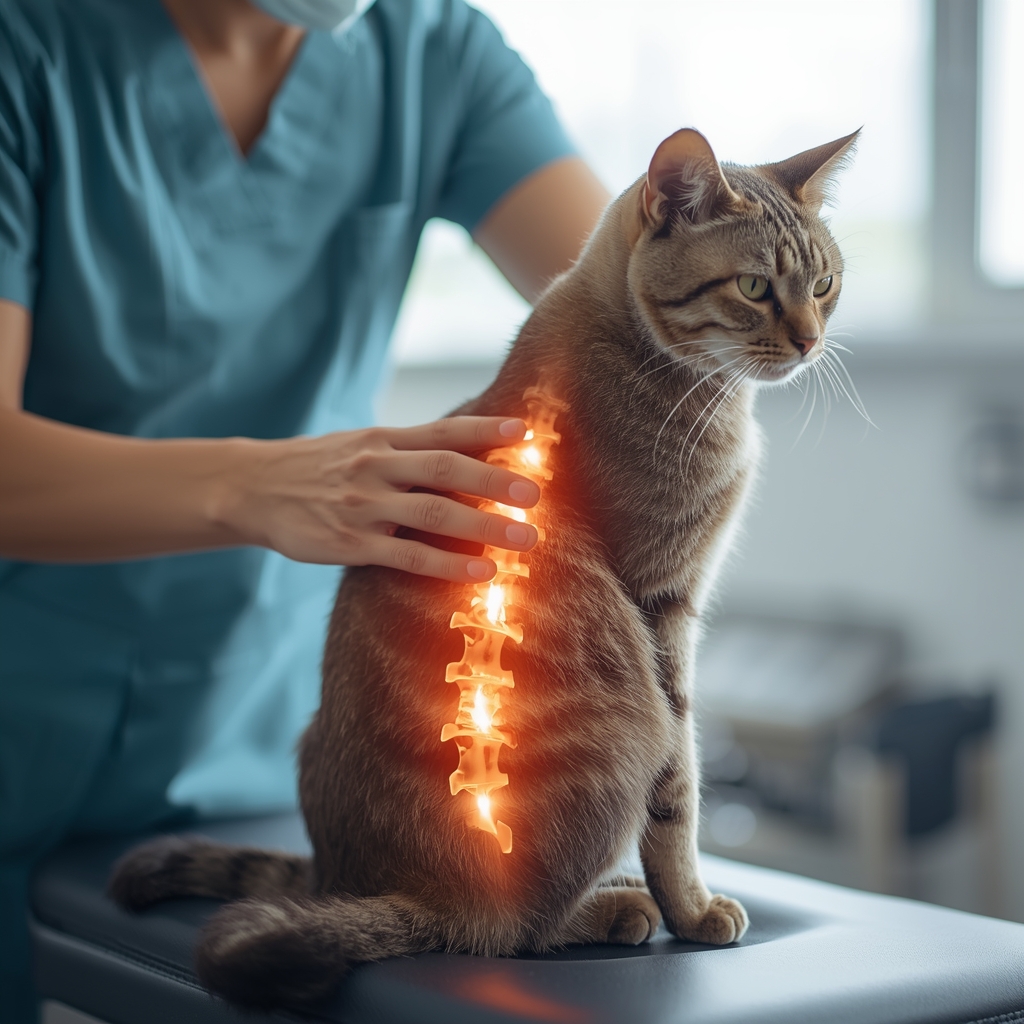
Understanding Arthritis in Feline Patients
Arthritis, or joint degeneration, affects cats of all ages but becomes more common as they age. This condition causes pain, stiffness, and reduced mobility, impacting their quality of life. While veterinary care typically focuses on medication and lifestyle adjustments, chiropractic interventions may offer complementary support. Spinal adjustments and mobility techniques aim to alleviate discomfort by improving joint function and nerve communication. However, these approaches should always be guided by a licensed veterinary chiropractor, as each cat’s needs vary based on their health history and condition severity.
Spinal Adjustments for Feline Arthritis
Spinal adjustments in cats involve gentle manipulations of the vertebrae to restore proper alignment and reduce pressure on nerves. For cats with arthritis, these adjustments may help ease pain by improving joint mobility and reducing inflammation. The technique is tailored to the cat’s size and sensitivity, using minimal force to avoid discomfort. While research on feline chiropractic care is limited, many practitioners report improved movement and reduced pain in arthritic cats following regular sessions. It’s essential to seek a veterinarian trained in animal chiropractic to ensure safety and effectiveness, as improper adjustments could worsen joint issues.
Mobility Techniques to Support Joint Health
Mobility techniques for arthritic cats include gentle stretching, range-of-motion exercises, and controlled movement therapies. These methods aim to maintain joint flexibility and prevent stiffness, which is crucial for cats experiencing arthritis. A chiropractor may recommend specific exercises to encourage movement without overexertion, such as guided walking or soft tissue massage. Additionally, hydrotherapy or low-impact physical therapy can help strengthen muscles around affected joints. These techniques are often used alongside spinal adjustments to provide holistic support. Pet owners should work closely with a professional to develop a safe, personalized plan that respects the cat’s comfort level and medical needs.
Benefits of Chiropractic Care for Arthritic Cats
Chiropractic care may offer several benefits for cats with arthritis, including pain relief, improved mobility, and enhanced overall well-being. By addressing spinal misalignments, adjustments can reduce nerve irritation and promote better joint function. Mobility techniques help maintain flexibility, which is vital for managing chronic conditions like arthritis. Some owners report that their cats show increased activity levels and reduced signs of discomfort after chiropractic sessions. However, results vary, and it’s important to view these approaches as part of a broader care strategy. Regular veterinary checkups and adherence to prescribed treatments remain critical for managing feline arthritis effectively.
Considerations for Safe and Effective Treatment
Before pursuing chiropractic care for an arthritic cat, consult a veterinarian to rule out other underlying conditions and confirm the suitability of such treatments. Not all cats are good candidates, especially those with severe joint damage or other health complications. The chiropractor should use gentle, species-specific techniques to minimize risks. Owners should monitor their cat’s behavior and comfort during and after sessions, reporting any adverse reactions immediately. It’s also important to integrate chiropractic care with conventional veterinary treatments, such as anti-inflammatory medications or joint supplements. A collaborative approach between the vet, chiropractor, and pet owner ensures the cat receives comprehensive, safe care tailored to its unique needs.
Collaborative Care for Optimal Outcomes
Managing arthritis in cats requires a multidisciplinary approach that combines veterinary medicine, chiropractic care, and supportive therapies. Chiropractic adjustments and mobility techniques can complement traditional treatments but should never replace them. Regular communication between the pet owner, veterinarian, and chiropractor is essential to track progress and adjust the care plan as needed. Owners should remain vigilant for changes in their cat’s behavior, appetite, or mobility, as these may indicate the need for treatment modifications. By working together, healthcare providers can help arthritic cats maintain comfort and mobility, ensuring they enjoy a better quality of life for as long as possible.














