
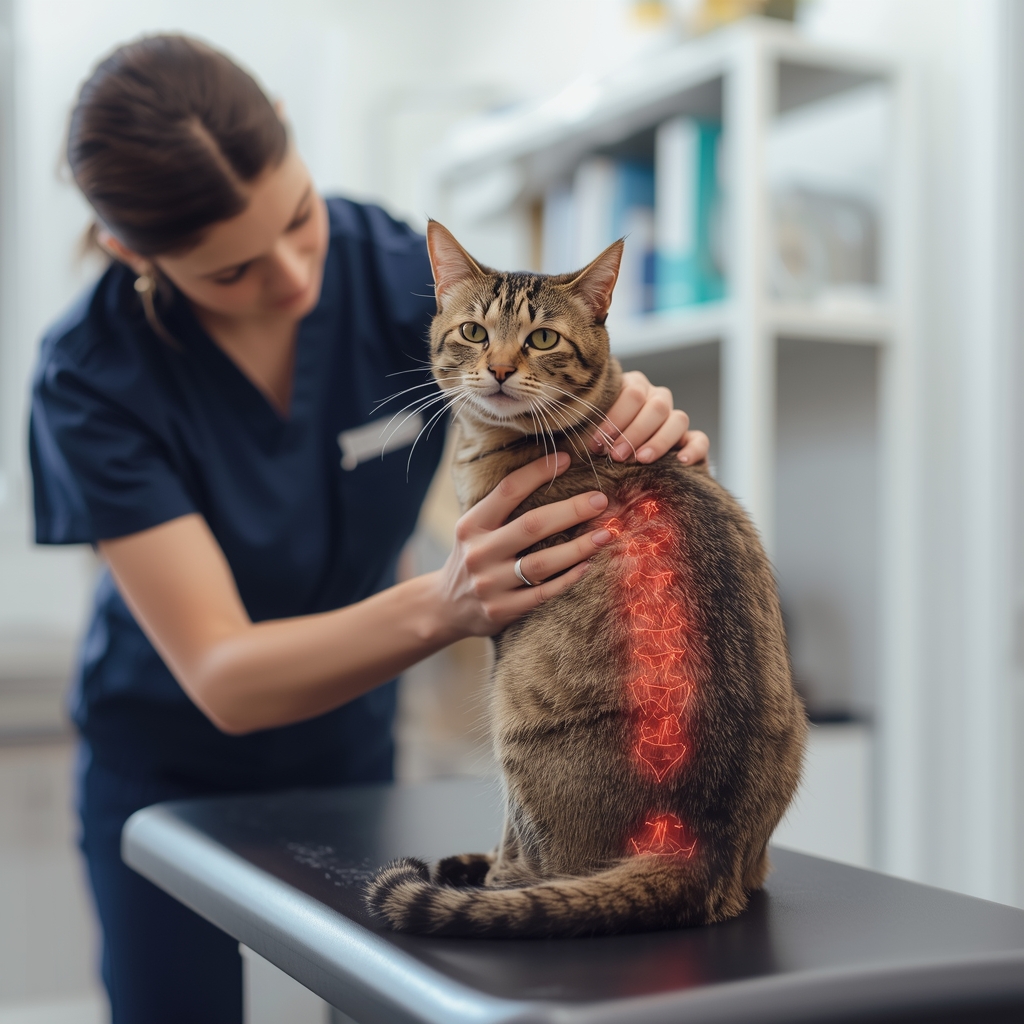
Understanding Feline Arthritis and Its Impact on Mobility
Feline arthritis, or osteoarthritis, is a common condition in older cats, causing joint pain, stiffness, and reduced mobility. As cats age, wear and tear on their joints can lead to inflammation, making everyday activities like jumping or grooming uncomfortable. This condition often goes unnoticed by owners because cats are naturally stoic and may hide their discomfort. However, signs such as decreased activity, difficulty climbing, or changes in litter box habits can indicate arthritis. Managing feline arthritis requires a holistic approach, as traditional pain medications may not always be suitable for long-term use. Chiropractic care offers a non-invasive option to support joint function and improve quality of life, but it must be tailored to the unique needs of cats.
How Chiropractic Adjustments May Support Joint Health in Cats
Chiropractic adjustments for cats focus on restoring proper alignment of the spine and joints, which can alleviate pressure on nerves and improve overall function. While research on feline chiropractic care is limited, anecdotal evidence and veterinary observations suggest that gentle manipulations may reduce pain and enhance mobility in arthritic cats. By addressing subluxations (misalignments) in the spine, chiropractors aim to improve nerve communication and reduce inflammation. This approach is often used alongside other therapies, such as physical therapy or dietary adjustments, to create a comprehensive care plan. It’s important to note that chiropractic care for cats is not a substitute for veterinary medical treatment but rather a complementary option that should be discussed with a licensed professional.
Best Practices for Handling and Comforting Feline Patients
Handling arthritic cats requires patience, gentleness, and an understanding of their unique needs. Always approach a cat slowly and speak in a calm, reassuring tone to minimize stress. Support their body properly when lifting or moving them, especially around the spine and joints, to avoid causing pain. Creating a comfortable environment with soft bedding, low-entry litter boxes, and accessible food and water can also ease their daily challenges. During chiropractic sessions, the practitioner should use minimal force and prioritize the cat’s comfort, often incorporating techniques like soft tissue work or range-of-motion exercises. Building trust through consistent, positive interactions is key to ensuring the cat remains cooperative and relaxed throughout the process.
Safety Considerations When Working with Arthritic Cats
Chiropractic care for arthritic cats must be approached with caution to avoid exacerbating their condition. A thorough veterinary examination is essential before initiating any adjustments to rule out underlying issues that could complicate treatment. Chiropractors should use extremely gentle techniques, as cats have delicate musculoskeletal systems. Overly aggressive manipulations could cause harm, especially in cats with severe joint degeneration. Additionally, monitoring the cat’s response during and after sessions is critical—any signs of increased pain or discomfort should prompt immediate reevaluation. Collaboration between the chiropractor and the cat’s primary veterinarian ensures that care remains safe and aligned with the cat’s overall health goals. Regular communication helps track progress and adjust the treatment plan as needed.
What to Expect During a Chiropractic Session for Cats
A typical chiropractic session for a cat with arthritis begins with a detailed assessment of their posture, gait, and joint mobility. The practitioner may observe the cat moving or perform gentle palpation to identify areas of tension or misalignment. Adjustments, if recommended, are usually minimal and focused on specific joints, using light pressure or specialized tools designed for small animals. The process is often quick, as cats may become stressed or uncooperative if prolonged. Owners should expect the session to include advice on home care, such as gentle stretching exercises or environmental modifications. Follow-up visits are typically scheduled to monitor progress and make adjustments as needed. While results vary, many cats show improved comfort and mobility over time with consistent, careful care.
Collaborating with Veterinarians for Holistic Care
Effective management of feline arthritis often requires a team approach, combining chiropractic care with traditional veterinary medicine. Veterinarians can provide diagnostic imaging, prescribe medications, and monitor the cat’s overall health, while chiropractors address musculoskeletal imbalances. Open communication between the two professionals ensures that treatments complement each other without conflicts. For example, a vet might recommend joint supplements or anti-inflammatory drugs, while a chiropractor focuses on improving mobility through adjustments. This collaborative model prioritizes the cat’s well-being and allows for a more comprehensive treatment strategy. Owners should always inform both the vet and chiropractor about all therapies their cat is receiving to avoid potential interactions or over-treatment. By working together, these specialists can help arthritic cats maintain a higher quality of life.














