
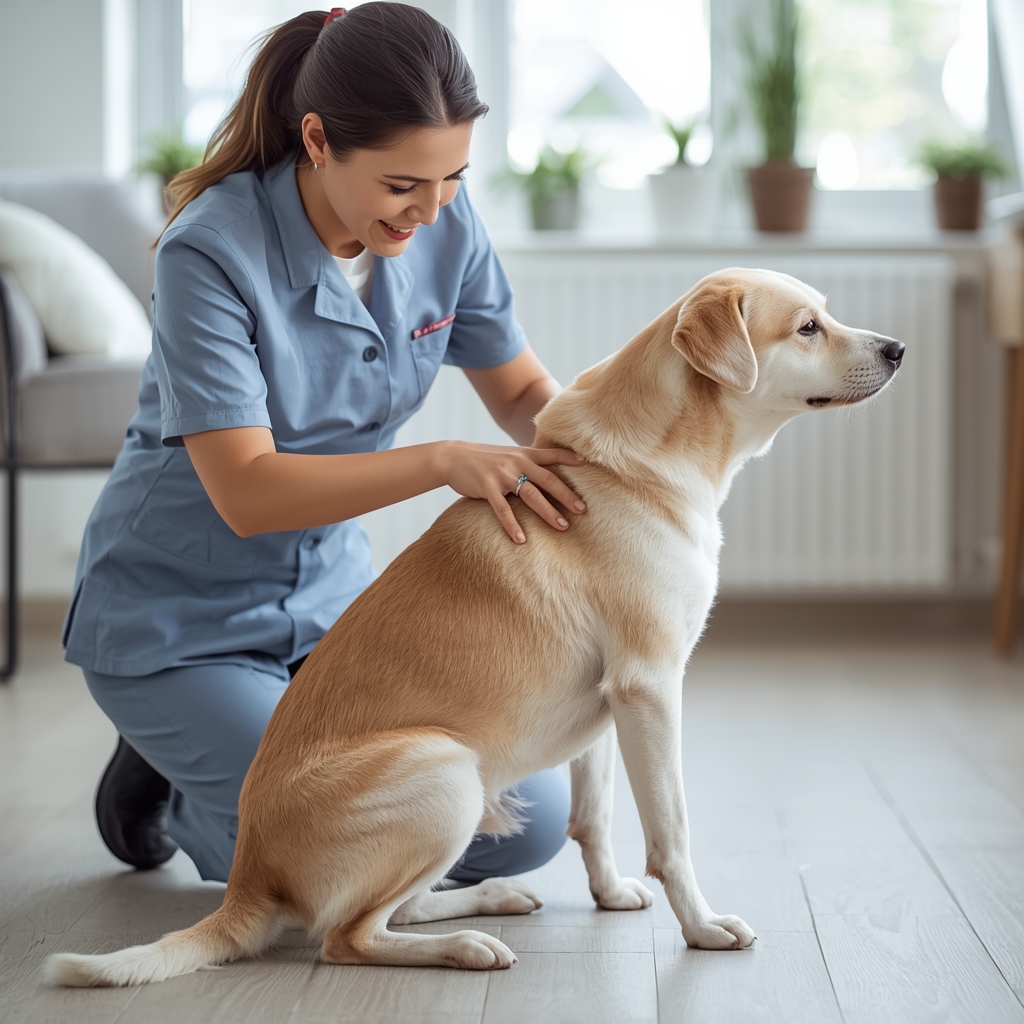
Introduction to Animal Chiropractic for Dogs
Animal chiropractic focuses on the musculoskeletal and nervous systems to support overall health in pets. For dogs with arthritis, this specialized approach aims to restore mobility and reduce discomfort by addressing spinal misalignments. A certified animal chiropractor uses gentle adjustments to improve joint function and nerve communication, which can alleviate pain. While not a substitute for veterinary care, it often complements traditional treatments. Many pet owners seek this option when their dogs show signs of stiffness, reduced activity, or difficulty moving. The practice is grounded in the principle that proper spinal alignment supports the body’s natural healing processes. It’s important to note that animal chiropractic should only be performed by a licensed professional trained in veterinary care to ensure safety and effectiveness.
How Arthritis Affects Canine Mobility
Arthritis in dogs involves inflammation of the joints, leading to pain, stiffness, and reduced range of motion. As cartilage wears down, bones may rub together, causing discomfort and limiting movement. Dogs with arthritis often struggle with activities like climbing stairs, jumping, or even walking. This condition is common in older dogs but can also affect younger pets with joint abnormalities. The discomfort may lead to muscle atrophy and behavioral changes, such as irritability or reluctance to exercise. Over time, these issues can worsen without intervention. Managing arthritis typically involves a combination of therapies, including medication, weight management, and physical therapy. Animal chiropractic adjustments are one option that may help by addressing underlying spinal or joint imbalances that contribute to pain and mobility challenges.
The Role of Spinal Adjustments in Pain Relief
Spinal adjustments in animal chiropractic focus on correcting misalignments, or subluxations, that may interfere with nerve function. These adjustments can reduce pressure on nerves and muscles, potentially easing pain and improving mobility. For dogs with arthritis, misalignments in the spine or joints may exacerbate existing discomfort by limiting movement or creating additional stress on affected areas. A chiropractor evaluates the dog’s posture, gait, and muscle tension to identify problem areas. By gently realigning the spine, adjustments may restore normal movement patterns and reduce inflammation. This approach is non-invasive and often used alongside other treatments. While results vary, many pet owners report improved comfort and activity levels after sessions. It’s crucial to work with a qualified practitioner to ensure adjustments are tailored to the dog’s specific needs.
Improving Joint Function and Range of Motion
Animal chiropractic adjustments can enhance joint function by restoring proper alignment and movement. When a dog’s joints are misaligned, it can lead to uneven weight distribution and increased strain on affected areas. Adjustments help rebalance the musculoskeletal system, allowing joints to move more freely. This can reduce stiffness and improve flexibility, making it easier for dogs to walk, run, or play. Additionally, improved joint function may decrease the workload on surrounding muscles and ligaments, lowering the risk of further injury. For arthritic dogs, maintaining mobility is key to preserving quality of life. Regular adjustments may also help prevent secondary issues, such as muscle weakness or compensatory movements that could worsen existing conditions. A chiropractor may combine adjustments with other therapies to maximize benefits for the dog’s overall joint health.
Supporting Overall Wellness in Arthritic Dogs
Beyond pain relief and mobility improvements, animal chiropractic can contribute to a dog’s overall wellness. By addressing spinal and joint imbalances, adjustments may enhance the body’s ability to function optimally. This holistic approach supports the nervous system, which plays a critical role in regulating pain and movement. Dogs with arthritis often experience stress or discomfort that affects their behavior and emotional well-being. A chiropractor may also recommend lifestyle adjustments, such as exercise routines or dietary changes, to complement care. It’s important to view chiropractic as part of a broader wellness strategy rather than a standalone solution. Regular check-ups can help monitor progress and make necessary adjustments to the care plan. Pet owners should always consult their veterinarian before starting any new treatment to ensure it aligns with the dog’s specific health needs.
When to Consult a Certified Animal Chiropractor
If a dog shows signs of arthritis, such as stiffness, lameness, or reluctance to move, consulting a certified animal chiropractor may be beneficial. A qualified practitioner will conduct a thorough examination to assess the dog’s condition and determine if chiropractic care is appropriate. It’s essential to seek a professional with specialized training in veterinary chiropractic to ensure safe and effective treatment. While chiropractic adjustments can help manage arthritis symptoms, they are not a cure. Pet owners should work closely with both their veterinarian and chiropractor to create a comprehensive care plan. Regular follow-ups may be needed to monitor progress and adjust the approach as necessary. Open communication between all caregivers ensures the dog receives the best possible support. Ultimately, the goal is to enhance the dog’s comfort and mobility while maintaining a high quality of life.












