
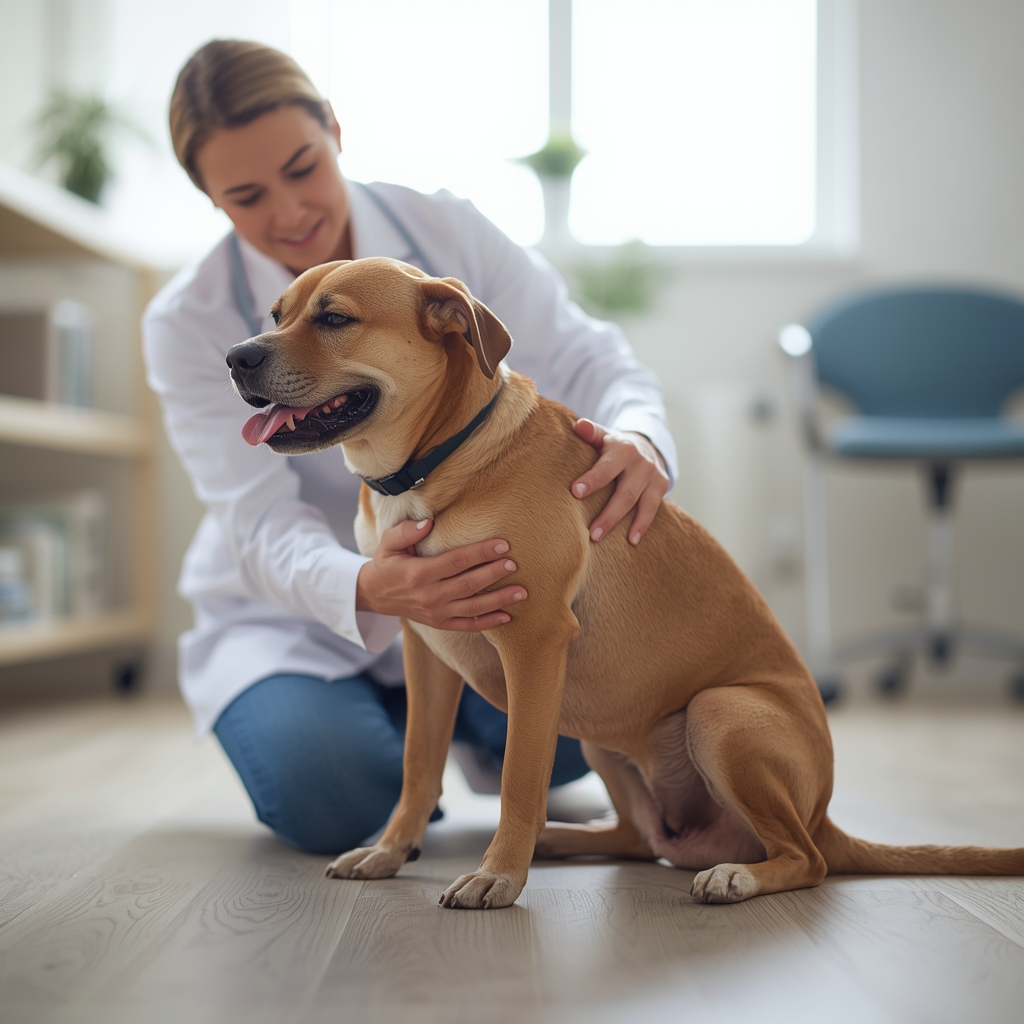
Understanding Animal Chiropractic Care for Senior Dogs
Animal chiropractic focuses on the musculoskeletal system, particularly the spine, to enhance mobility and overall well-being in pets. For senior dogs with arthritis, this approach can address joint stiffness and discomfort by restoring proper alignment and function. Unlike traditional veterinary medicine, which often relies on medication, chiropractic care uses manual adjustments to improve nerve function and reduce inflammation. This complementary method is increasingly recognized as a viable option for managing age-related conditions in pets. However, it’s essential to consult a licensed veterinary chiropractor to ensure safe and effective treatment tailored to your dog’s specific needs.
How Chiropractic Adjustments Improve Mobility
Arthritis in senior dogs often leads to reduced range of motion and difficulty moving comfortably. Chiropractic adjustments can help by realigning the spine and joints, which may alleviate pressure on nerves and muscles. This process can enhance joint flexibility and reduce stiffness, allowing dogs to move more freely. By addressing misalignments, or subluxations, chiropractors aim to restore natural movement patterns and support the body’s ability to heal itself. Regular sessions may also prevent further degeneration of joints by maintaining optimal biomechanics. While results vary, many pet owners report noticeable improvements in their dogs’ activity levels and comfort after consistent care.
Pain Management Through Gentle Manipulation
Chiropractic care for senior dogs with arthritis often focuses on reducing pain by targeting the root causes of discomfort. Adjustments can relieve pressure on nerves, which may decrease inflammation and pain signals. This non-invasive approach avoids the need for medications, making it an attractive option for pet owners seeking holistic solutions. Additionally, improved spinal alignment can enhance blood flow to affected areas, promoting faster recovery and long-term relief. While not a cure, chiropractic therapy can significantly ease symptoms, allowing dogs to maintain a better quality of life. It’s important to note that results depend on the dog’s overall health and the expertise of the practitioner.
Safety and Considerations for Senior Canine Patients
Chiropractic care for senior dogs requires careful evaluation to ensure safety and effectiveness. A qualified veterinary chiropractor will conduct a thorough examination to identify any contraindications, such as severe joint damage or other underlying conditions. The adjustments are typically gentle, tailored to the dog’s comfort level, and performed with minimal force. Pet owners should monitor their dogs for any adverse reactions and communicate openly with the practitioner. While generally safe, it’s crucial to avoid untrained individuals attempting adjustments, as improper techniques could cause harm. Always seek care from a certified professional to maximize benefits and minimize risks.
Integrating Chiropractic Care with Other Treatments
For senior dogs with arthritis, chiropractic care often works best when combined with other therapies. Physical rehabilitation, acupuncture, and joint supplements may complement adjustments by addressing different aspects of mobility and pain. A holistic approach can provide more comprehensive relief, supporting both structural and systemic health. Pet owners should discuss treatment plans with their veterinarian to ensure all interventions are safe and coordinated. Regular check-ups and open communication with the care team help maintain the dog’s well-being. While chiropractic care is a valuable tool, it’s most effective when part of a broader strategy for managing age-related conditions.
Conclusion: Enhancing Quality of Life for Senior Dogs
Chiropractic care offers a promising way to improve mobility and manage pain in senior dogs with arthritis. By focusing on spinal alignment and musculoskeletal health, this approach can help dogs maintain comfort and activity levels as they age. While not a substitute for veterinary care, it provides a non-invasive option that many pet owners find beneficial. The key to success lies in working with a qualified professional who understands the unique needs of older pets. With proper guidance and a personalized plan, chiropractic therapy can play a valuable role in supporting your dog’s health and happiness in their golden years.













