
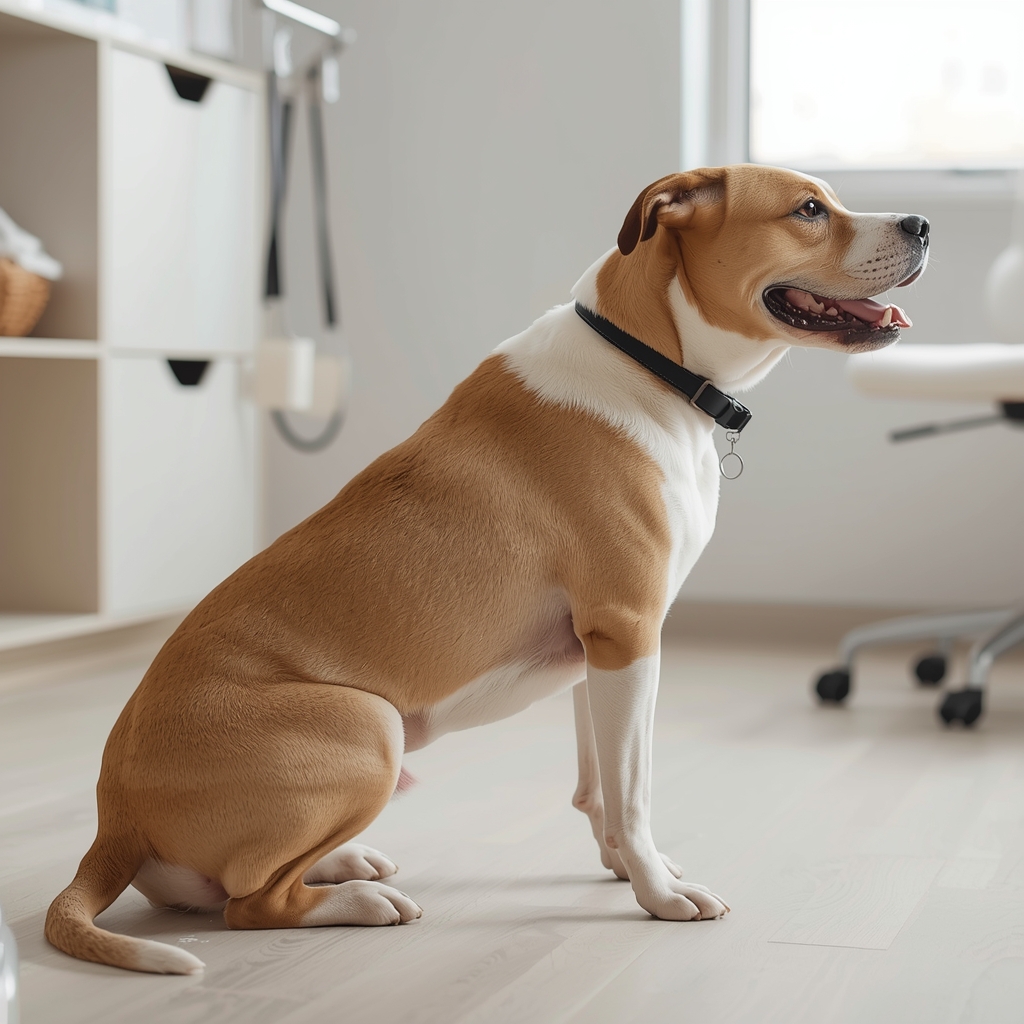
Understanding Osteoarthritis in Senior Dogs
Osteoarthritis is a common degenerative joint condition affecting older dogs, characterized by the gradual breakdown of cartilage that cushions joints. This leads to pain, stiffness, and reduced mobility, significantly impacting a senior dog’s quality of life. As dogs age, factors like weight gain, previous injuries, and genetic predispositions contribute to joint wear and tear. Symptoms often include difficulty rising, limping, reluctance to exercise, and changes in behavior due to discomfort. While osteoarthritis is irreversible, managing its effects is critical to maintaining a dog’s comfort. Traditional treatments may involve medications, weight management, and physical therapy, but many pet owners seek complementary approaches like animal chiropractic care to address mobility and pain holistically. Understanding the condition’s progression helps guide effective interventions, including those offered by animal chiropractors, which focus on restoring balance and function without invasive procedures.
How Animal Chiropractic Addresses Joint Mobility
Animal chiropractic care focuses on the musculoskeletal system, particularly the spine and joints, to enhance mobility and reduce discomfort in senior dogs. Practitioners use gentle adjustments to realign the spine and joints, which can alleviate pressure on nerves and improve range of motion. These adjustments are tailored to the dog’s specific needs, considering their size, breed, and the severity of their condition. By restoring proper joint function, chiropractic care can help dogs move more freely, reducing stiffness and pain. Techniques may also include soft tissue work, mobilization, and therapeutic exercises to support overall musculoskeletal health. For senior dogs with osteoarthritis, maintaining mobility is essential to prevent further joint deterioration and muscle atrophy. Chiropractic interventions aim to complement traditional veterinary care, offering a non-invasive way to support joint health and improve daily activities like walking, climbing, and playing.
Pain Management Through Chiropractic Adjustments
Chiropractic care for senior dogs with osteoarthritis targets pain by addressing the root causes of discomfort, such as misalignments in the spine or joints. When the musculoskeletal system is out of balance, it can lead to increased nerve irritation and inflammation, exacerbating pain. By performing precise adjustments, animal chiropractors help reduce these stressors, promoting natural pain relief. These adjustments may also stimulate the body’s own healing mechanisms, encouraging improved circulation and reduced inflammation in affected areas. In addition to physical manipulations, chiropractors often incorporate supportive therapies like cold laser treatment or therapeutic massage to enhance pain management. For dogs with chronic conditions, consistent chiropractic care can provide ongoing relief, allowing them to remain active and comfortable. It’s important to note that while chiropractic care can significantly alleviate symptoms, it is most effective when integrated with other veterinary treatments, such as medication or dietary adjustments, to create a comprehensive care plan.
Benefits of Animal Chiropractic for Senior Dogs
Animal chiropractic care offers several benefits for senior dogs suffering from osteoarthritis, including improved mobility, reduced pain, and enhanced overall well-being. By addressing joint misalignments and muscular imbalances, chiropractic adjustments can help dogs move more comfortably, which is crucial for maintaining muscle strength and joint health. This form of care also supports the nervous system, which plays a key role in regulating pain and mobility. Many pet owners report that their dogs exhibit increased energy levels and a more positive demeanor after regular chiropractic sessions. Additionally, chiropractic care can complement other treatments, such as physical therapy or anti-inflammatory medications, without the risk of harmful side effects. For senior dogs, maintaining an active lifestyle is vital to preventing further deterioration of their condition. Chiropractic interventions provide a safe, non-invasive option to support their long-term health, helping them enjoy a better quality of life as they age.
Integrating Chiropractic Care with Veterinary Medicine
Effective management of osteoarthritis in senior dogs often requires a collaborative approach between animal chiropractors and veterinarians. While chiropractic care focuses on musculoskeletal alignment and pain relief, veterinary medicine addresses underlying health issues, such as inflammation or joint degeneration. This integration ensures that all aspects of the dog’s condition are addressed, from medical treatments to supportive therapies. Veterinarians may recommend chiropractic care as part of a broader treatment plan, especially for dogs that do not respond well to traditional methods. It is essential for pet owners to communicate openly with both professionals to coordinate care and avoid conflicts between treatments. Regular check-ups and assessments help monitor the dog’s progress, allowing adjustments to be made as needed. By combining the strengths of both disciplines, senior dogs can receive comprehensive care that maximizes their comfort and mobility. This partnership also ensures that any changes in the dog’s condition are promptly addressed, providing a safer and more effective approach to managing osteoarthritis.
When to Seek Animal Chiropractic Care for Senior Dogs
Pet owners should consider animal chiropractic care for senior dogs showing signs of joint discomfort or mobility issues, such as stiffness, reluctance to move, or changes in gait. Early intervention can prevent further deterioration and improve outcomes, making it an important option for aging pets. However, it is crucial to consult a licensed veterinarian before pursuing chiropractic treatments to ensure the dog’s condition is appropriately diagnosed and managed. A qualified animal chiropractor will conduct a thorough examination, including a review of the dog’s medical history and physical assessment, to determine the best course of action. Regular sessions may be recommended to maintain joint health and address recurring issues. Owners should also be aware that chiropractic care is not a substitute for medical treatment but a complementary approach. By working with both a veterinarian and a certified chiropractor, pet owners can create a tailored care plan that supports their senior dog’s well-being and enhances their quality of life.














