
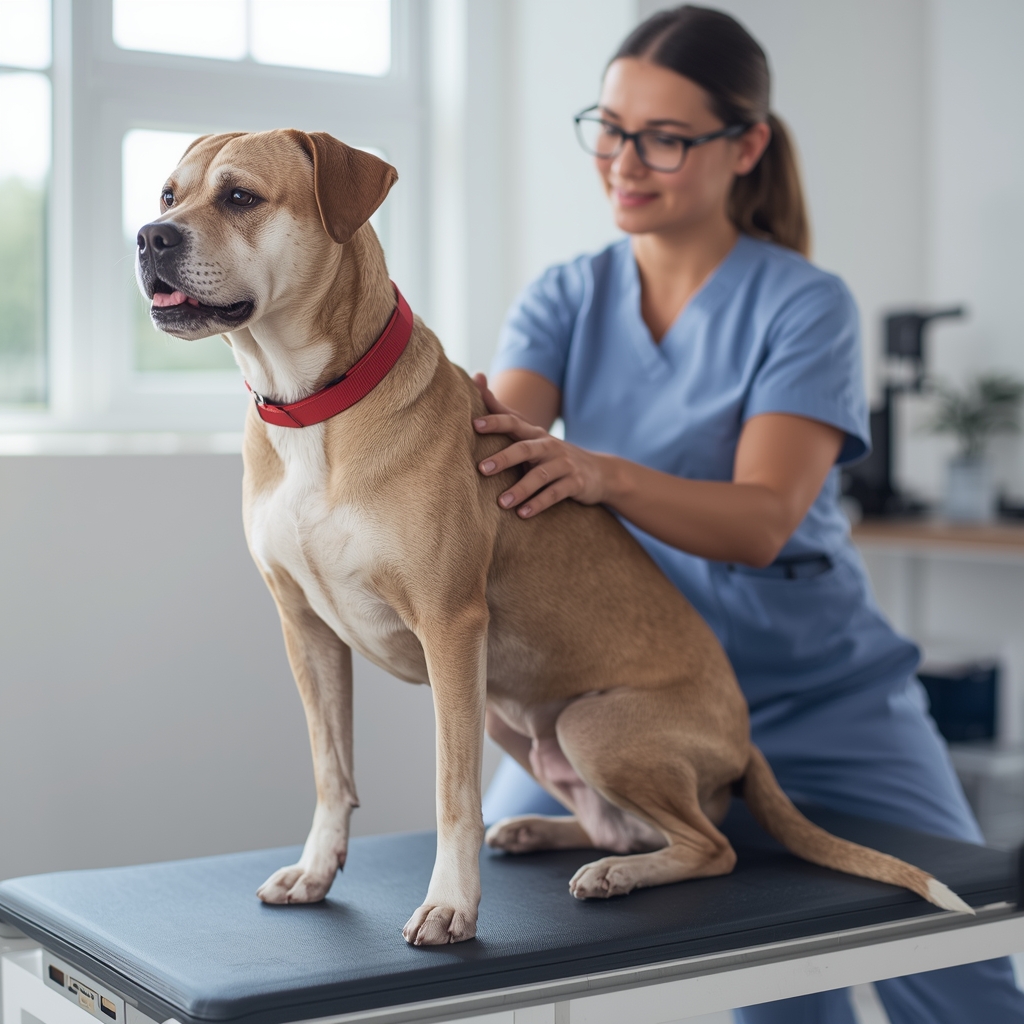
Understanding Senior Dog Musculoskeletal Health
As dogs age, their musculoskeletal systems undergo natural wear and tear, leading to common issues like arthritis, reduced joint flexibility, and muscle weakness. These changes can significantly impact a senior dog’s mobility and quality of life. Maintaining joint health becomes crucial, as discomfort or stiffness may discourage movement, exacerbating underlying conditions. While traditional veterinary care often focuses on medication and surgery, chiropractic care offers a complementary approach by addressing structural imbalances that may contribute to pain or dysfunction. This holistic method emphasizes the body’s ability to heal itself when the spine and nervous system function optimally. By focusing on alignment and mobility, chiropractic care can support senior dogs in maintaining comfort and activity levels, allowing them to enjoy their golden years with greater ease.
Common Musculoskeletal Challenges in Senior Dogs
Senior dogs frequently experience musculoskeletal issues such as osteoarthritis, hip dysplasia, and intervertebral disc disease. These conditions often lead to pain, reduced range of motion, and difficulty with everyday activities like walking or climbing stairs. Arthritis, in particular, is prevalent, causing inflammation and stiffness in joints. Muscle atrophy and ligament laxity further complicate mobility, making it challenging for dogs to maintain balance or engage in physical activity. Additionally, spinal misalignments—known as subluxations—can interfere with nerve function, potentially worsening discomfort. Without intervention, these issues may progress, leading to chronic pain or decreased quality of life. Recognizing these challenges is the first step in exploring supportive care options, including chiropractic adjustments, which aim to restore function and alleviate symptoms through non-invasive means.
How Chiropractic Care Supports Senior Dogs
Chiropractic care for senior dogs focuses on identifying and correcting misalignments in the spine and joints that may contribute to pain or mobility issues. By restoring proper alignment, chiropractors aim to reduce pressure on nerves, improve joint function, and enhance overall musculoskeletal health. This approach is particularly beneficial for dogs with conditions like arthritis, as it can help alleviate discomfort and promote better movement. Adjustments are tailored to the individual dog’s needs, considering factors such as age, weight, and specific symptoms. Beyond physical adjustments, chiropractic care often includes recommendations for gentle exercise, stretching, and environmental modifications to support long-term mobility. Many pet owners report improved energy levels and comfort in their senior dogs following regular chiropractic sessions. However, it is essential to work with a qualified practitioner who specializes in animal chiropractic to ensure safe and effective treatment.
Effective Adjustments for Joint Mobility in Senior Dogs
Chiropractors use a variety of techniques to address joint mobility issues in senior dogs, focusing on gentle, targeted adjustments. Spinal manipulative therapy is commonly employed to realign vertebrae and relieve pressure on nerves, which can improve joint function and reduce pain. Mobilization techniques, such as low-force adjustments or soft tissue work, are also used to enhance flexibility and ease stiffness in affected areas. For dogs with hip or knee issues, adjustments may focus on the pelvis and lower back to restore balance and support. These interventions are typically performed with care to ensure the dog remains comfortable throughout the process. In some cases, adjunct therapies like cold laser treatment or therapeutic exercises may be incorporated to further support joint health. The goal is to create a personalized plan that addresses the dog’s unique needs while promoting long-term mobility and comfort.
The Benefits of Chiropractic Care for Aging Dogs
Chiropractic care can provide numerous benefits for senior dogs, particularly in managing pain and improving mobility. By addressing structural imbalances, it may reduce the need for medications or invasive procedures, offering a safer alternative for older animals. Many dogs experience increased flexibility and reduced stiffness after adjustments, which can encourage more movement and activity. This, in turn, helps maintain muscle strength and joint health. Additionally, chiropractic care may enhance the body’s natural healing processes by optimizing nervous system function. Pet owners often notice improvements in their dog’s behavior, such as increased alertness or a more comfortable gait. While results vary, consistent care can contribute to a better quality of life for senior dogs. It is important to view chiropractic care as part of a comprehensive approach, combining it with regular veterinary checkups and other supportive therapies for the best outcomes.
Consulting a Professional for Senior Dog Care
Before pursuing chiropractic care for a senior dog, it is essential to consult with a veterinarian to rule out underlying conditions that may require medical intervention. A qualified animal chiropractor can then assess the dog’s specific needs and develop a tailored treatment plan. This collaboration between veterinary and chiropractic professionals ensures that care is safe and effective, particularly for dogs with pre-existing health issues. Pet owners should also be aware that chiropractic adjustments are not a substitute for necessary medical treatments but can complement them. Regular evaluations and open communication with both the vet and chiropractor help monitor progress and make adjustments to the care plan as needed. By prioritizing professional guidance, owners can provide their senior dogs with the best possible support for musculoskeletal health and overall well-being.














