
Common Musculoskeletal Issues in Dogs
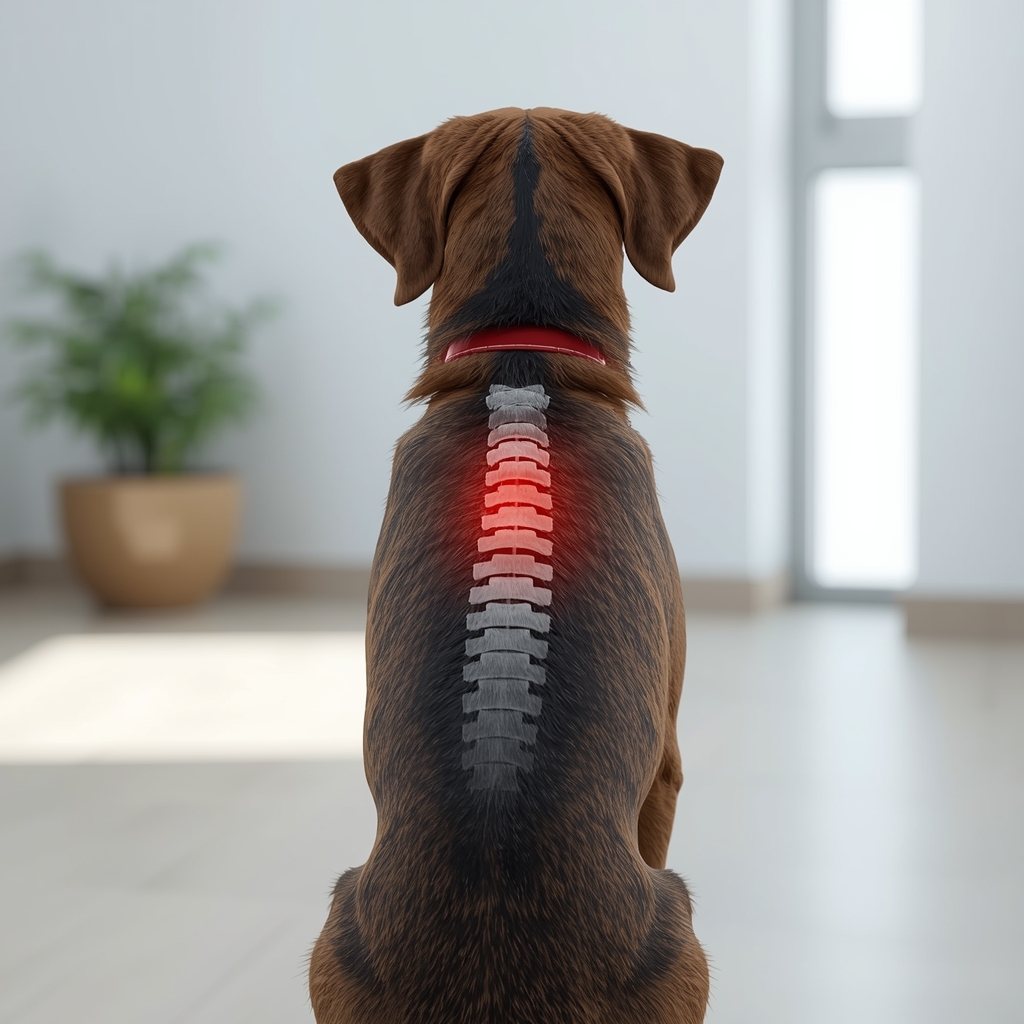
Canine musculoskeletal issues often stem from genetic predispositions, age-related wear, or activity levels. Hip dysplasia, a developmental disorder affecting the hip joint, is prevalent in larger breeds. Arthritis, particularly osteoarthritis, commonly impacts older dogs, causing joint stiffness and pain. Intervertebral disc disease (IVDD) affects the spine, leading to nerve compression and mobility challenges. Patellar luxation, where the kneecap dislocates, is another frequent concern. These conditions can limit movement, cause discomfort, and reduce quality of life. Early identification and intervention are critical, as untreated issues may worsen over time. While veterinary care typically addresses these problems, many dog owners explore complementary approaches like chiropractic care to support their pets’ well-being.
How Chiropractic Adjustments Work for Dogs
Chiropractic adjustments for dogs involve manual manipulations of the spine and joints to restore proper alignment and function. These techniques aim to alleviate nerve pressure, improve joint mobility, and enhance overall musculoskeletal health. A licensed animal chiropractor uses gentle, targeted movements to correct subluxations—misalignments that may disrupt nervous system function. By realigning the spine, adjustments can reduce pain, improve range of motion, and support the body’s natural healing processes. This approach is often used alongside traditional veterinary care, focusing on holistic wellness rather than symptom management. It is essential to seek a certified professional trained in canine chiropractic techniques to ensure safety and effectiveness. Regular sessions may help maintain mobility and prevent further complications in dogs with chronic conditions.
Improving Mobility Through Chiropractic Care
Chiropractic adjustments can significantly improve mobility in dogs by addressing structural imbalances that hinder movement. For instance, dogs with hip dysplasia or IVDD may experience reduced pain and increased flexibility after adjustments, allowing them to move more comfortably. By correcting spinal misalignments, chiropractors help optimize nerve function, which can enhance muscle coordination and joint stability. This is particularly beneficial for older dogs or those recovering from injuries, as improved mobility supports daily activities like walking, playing, and climbing. Additionally, adjustments may reduce inflammation and promote better circulation, aiding in faster recovery. While results vary, many pet owners report noticeable improvements in their dogs’ energy levels and willingness to engage in physical activities. However, chiropractic care is not a substitute for veterinary treatment but a complementary tool to enhance overall musculoskeletal health.
Reducing Pain and Enhancing Comfort
Pain management is a key benefit of chiropractic care for dogs with musculoskeletal issues. Adjustments can relieve pressure on nerves and joints, which often contributes to chronic discomfort. For example, dogs with arthritis may experience reduced stiffness and soreness after sessions, making it easier for them to move without pain. Chiropractic techniques also stimulate the body’s natural pain-relieving mechanisms, potentially decreasing the need for medication. By improving spinal alignment, adjustments may also prevent secondary issues, such as muscle atrophy or compensatory gait patterns, which can exacerbate pain. This holistic approach focuses on long-term relief rather than temporary fixes. Pet owners often note their dogs becoming more relaxed, less hesitant to jump or climb, and generally more active. As with any treatment, individual results depend on the dog’s condition and the expertise of the chiropractor.
Safety and Professional Guidance
While chiropractic care can benefit many dogs, it is crucial to consult a qualified professional to ensure safety and appropriateness. Not all musculoskeletal issues are suitable for adjustment, and improper techniques could worsen existing conditions. A certified animal chiropractor will conduct a thorough evaluation, including a physical exam and medical history review, before recommending treatment. This ensures that adjustments are tailored to the dog’s specific needs and avoid risks. Owners should also communicate openly with their veterinarian to coordinate care and monitor progress. Chiropractic sessions are generally safe when performed by trained practitioners, but they should never replace necessary medical treatments. Regular follow-ups and a collaborative approach between the chiropractor and vet help maintain the dog’s health while minimizing potential complications.
Conclusion: A Holistic Approach to Canine Health
Chiropractic care offers a valuable, non-invasive option for managing musculoskeletal issues in dogs. By addressing spinal alignment and joint function, it can enhance mobility, reduce pain, and improve overall comfort. Common conditions like arthritis, hip dysplasia, and IVDD may benefit from this complementary approach, especially when integrated with traditional veterinary care. However, it is essential to seek a licensed animal chiropractor with experience in canine patients to ensure safe and effective treatment. Each dog’s needs are unique, so personalized care plans are critical. Pet owners considering chiropractic adjustments should discuss the options with their veterinarian and a qualified chiropractor to determine the best path forward. With proper guidance, chiropractic care can play a meaningful role in supporting a dog’s musculoskeletal health and quality of life.













