
Understanding Canine Musculoskeletal Health
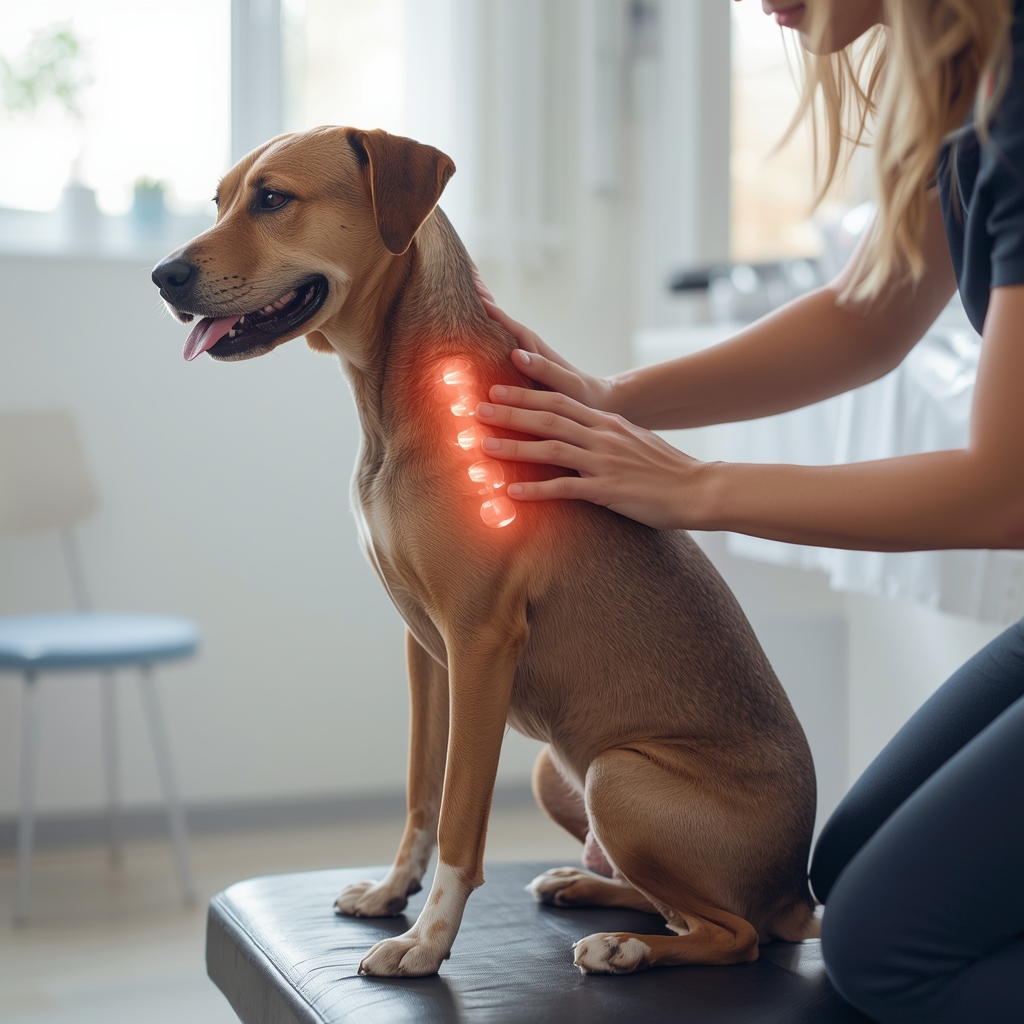
Many dogs experience musculoskeletal challenges that impact their mobility and quality of life. Common issues include hip dysplasia, intervertebral disc disease, and arthritis, often leading to pain, stiffness, or lameness. These conditions can stem from genetics, aging, injury, or repetitive strain. While traditional veterinary care focuses on medication and surgery, chiropractic adjustments offer a non-invasive alternative to address alignment and nerve function. By gently manipulating the spine and joints, chiropractors aim to reduce discomfort, improve range of motion, and support the body’s natural healing processes. It’s important to note that chiropractic care for dogs should always be performed by a qualified professional trained in animal chiropractic techniques.
Hip Dysplasia and Joint Dysfunction
Hip dysplasia, a developmental disorder affecting the hip joint, is prevalent in larger dog breeds. It can cause pain, lameness, and reduced mobility. Chiropractic adjustments may help alleviate symptoms by improving joint alignment and reducing pressure on affected areas. Techniques like spinal manipulation and soft tissue therapy can enhance blood flow and promote healing. However, results vary, and early intervention is key. Veterinarians and chiropractors often collaborate to create comprehensive care plans. Dogs with hip dysplasia may also benefit from weight management and controlled exercise. While chiropractic care is not a cure, it can complement other treatments to improve comfort and function.
Intervertebral Disc Disease (IVDD)
IVDD occurs when the discs between spinal vertebrae bulge or rupture, compressing the spinal cord. This condition can cause pain, weakness, or even paralysis. Chiropractic adjustments may help by reducing spinal misalignments and easing nerve pressure. However, severe cases often require veterinary intervention, such as surgery or medication. Chiropractic care is typically used as a supportive therapy to aid recovery and prevent further complications. Regular check-ups with a certified animal chiropractor can monitor spinal health and detect early signs of disc issues. Owners should watch for symptoms like reluctance to jump or difficulty walking and seek professional guidance promptly.
Arthritis and Joint Inflammation
Arthritis, a common age-related condition, leads to joint inflammation, stiffness, and pain in dogs. Chiropractic adjustments may help by improving joint mobility and reducing inflammation through enhanced circulation and nerve function. Techniques such as low-force spinal manipulation and soft tissue work can provide relief without the need for medication. While not a substitute for veterinary care, chiropractic therapy can be part of a holistic approach to manage chronic pain. Regular sessions may slow disease progression and improve quality of life. Owners should consult with a licensed chiropractor and veterinarian to ensure safe, effective treatment tailored to their dog’s specific needs.
Lameness and Gait Abnormalities
Lameness, or difficulty walking, often signals underlying musculoskeletal issues like muscle strain, ligament tears, or spinal misalignments. Chiropractic adjustments can address these problems by restoring proper joint function and nerve communication. By realigning the spine and supporting musculoskeletal balance, chiropractors help dogs regain mobility and reduce pain. This approach is particularly beneficial for dogs recovering from injuries or surgeries. However, lameness can also indicate more serious conditions requiring veterinary diagnosis. A chiropractor may work alongside a veterinarian to develop a treatment plan that includes adjustments, physical therapy, and lifestyle modifications for optimal recovery.
The Role of Chiropractic in Canine Wellness
Chiropractic care for dogs focuses on the relationship between the spine and nervous system, aiming to optimize overall health. It is often used to address chronic pain, improve posture, and enhance athletic performance. While not a replacement for veterinary medicine, it can complement traditional treatments by supporting the body’s natural healing mechanisms. Owners should seek certified animal chiropractors who have undergone specialized training. Regular adjustments may prevent issues from worsening and promote long-term wellness. As with any treatment, individual results vary, and a professional evaluation is essential to determine if chiropractic care is suitable for a dog’s specific condition.














