
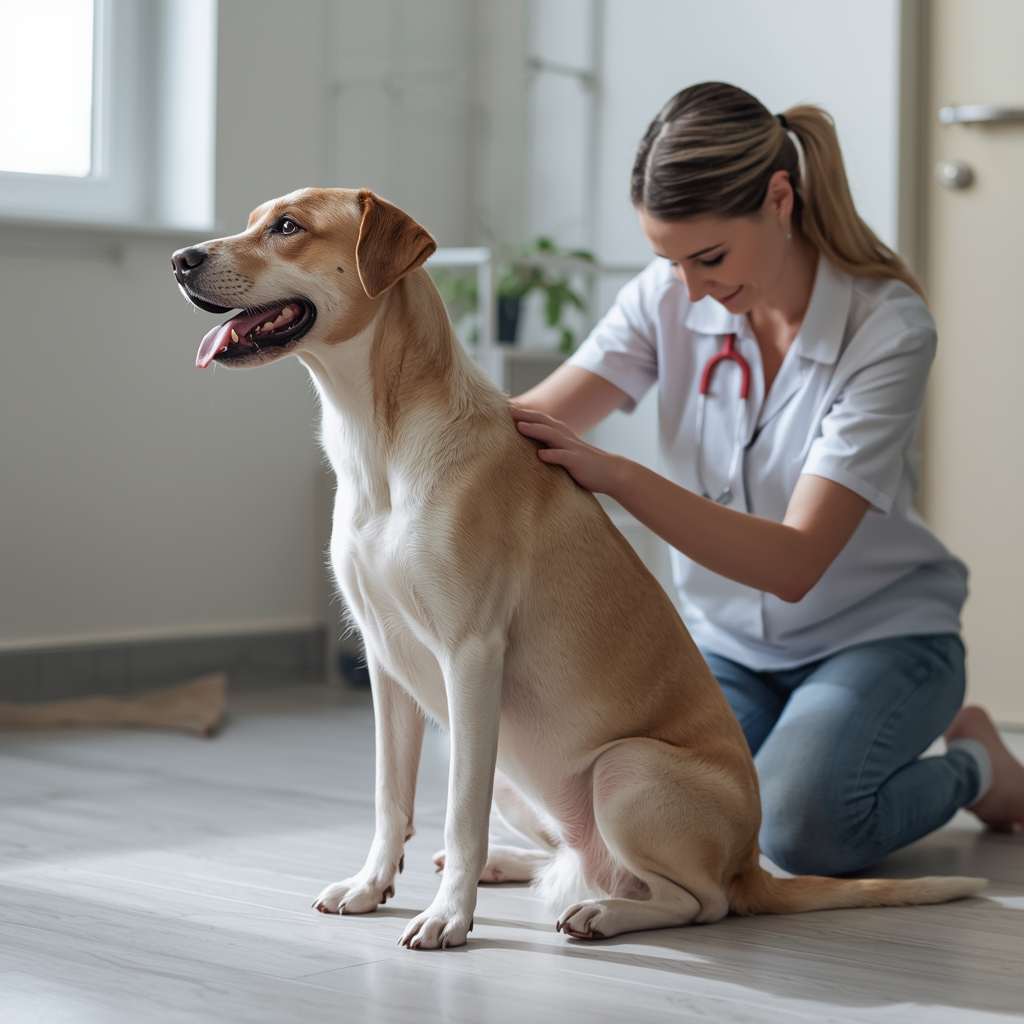
What Common Spinal Issues Do Dogs Face, and How Can Chiropractic Care Improve Their Mobility and Quality of Life Through Targeted Adjustments?
## Common Spinal Issues in Dogs
Dogs can experience a range of spinal issues that affect their mobility and overall well-being. Common conditions include intervertebral disc disease, which occurs when the discs between the vertebrae become compressed or ruptured, leading to pain and nerve damage. Arthritis is another frequent concern, particularly in older dogs, causing joint stiffness and discomfort. Spinal misalignments, often due to injury, poor posture, or congenital factors, can also disrupt nerve function and lead to chronic pain. These issues may manifest as lameness, reluctance to jump or climb, or changes in gait. While some conditions require veterinary intervention, chiropractic care offers a non-invasive approach to address spinal misalignments and support the body’s natural healing processes. Regular check-ups with a qualified animal chiropractor can help identify and manage these issues early, improving long-term outcomes.
## How Chiropractic Care Supports Canine Spinal Health
Chiropractic care for dogs focuses on restoring proper alignment to the spine and joints, which can alleviate pain and improve mobility. A trained animal chiropractor uses gentle adjustments to correct subluxations—misalignments that interfere with nerve function. These adjustments aim to reduce inflammation, enhance joint flexibility, and promote optimal nervous system function. Unlike invasive procedures, chiropractic care is non-surgical and often complements traditional veterinary treatments. For dogs with chronic conditions like arthritis or degenerative disc disease, regular sessions may help manage symptoms and slow disease progression. It’s important to note that chiropractic care should always be performed by a licensed professional with expertise in animal chiropractic. This ensures safety and effectiveness, as improper techniques could worsen existing conditions. By addressing spinal imbalances, chiropractic care can contribute to a dog’s overall comfort and quality of life.
## Benefits of Targeted Adjustments for Dogs
Targeted chiropractic adjustments can offer several benefits for dogs with spinal issues. One primary advantage is improved mobility, as realigning the spine can reduce pain and stiffness, allowing dogs to move more freely. This is particularly beneficial for older dogs or those recovering from injuries. Adjustments may also enhance nerve function, which can positively impact organ systems and overall health. Dogs with chronic conditions like arthritis often experience reduced inflammation and discomfort after sessions. Additionally, chiropractic care can support post-surgical recovery by promoting proper alignment and reducing secondary complications. Many pet owners report increased energy levels and better behavior in their dogs following regular adjustments. However, results vary depending on the individual dog’s condition and the expertise of the chiropractor. It’s essential to consult with a veterinarian before starting any new treatment to ensure it’s appropriate for the dog’s specific needs.
## Recognizing Signs Your Dog May Need Chiropractic Care
Identifying when a dog might benefit from chiropractic care starts with observing changes in their behavior and physical condition. Common signs include stiffness, especially after rest or exercise, difficulty rising, jumping, or climbing, and a reluctance to engage in activities they once enjoyed. Dogs may also exhibit pain during movement, such as yelping when touched along the spine or showing sensitivity in certain areas. Other indicators include uneven weight distribution, a hunched posture, or changes in gait. In some cases, neurological symptoms like uncoordinated movements or muscle weakness may appear. While these signs can indicate various health issues, a qualified animal chiropractor can perform a thorough evaluation to determine if spinal misalignments are contributing to the problem. Early intervention is key to preventing long-term complications and improving the dog’s quality of life.
## What to Expect During a Canine Chiropractic Session
A typical chiropractic session for a dog begins with a comprehensive evaluation to assess the animal’s spinal health and overall condition. The chiropractor will review the dog’s medical history, observe movement patterns, and perform a physical examination to identify areas of concern. Adjustments are then made using gentle, specific techniques to realign the spine and joints. These adjustments are usually quick and cause minimal discomfort, though some dogs may exhibit temporary reactions like stiffness or increased vocalization. The practitioner may also recommend complementary therapies, such as soft tissue work or exercises to support recovery. The number and frequency of sessions depend on the dog’s condition and response to treatment. Owners are often advised to monitor their pet’s behavior and communicate any changes to the chiropractor. Regular follow-ups help track progress and ensure the adjustments remain effective over time.
## Integrating Chiropractic Care with Veterinary Treatment
Chiropractic care for dogs is most effective when used in conjunction with traditional veterinary care. A holistic approach ensures that all aspects of the dog’s health are addressed, from musculoskeletal issues to underlying medical conditions. Veterinarians can provide diagnoses and prescribe medications or therapies that complement chiropractic adjustments. For example, a dog with arthritis may receive anti-inflammatory drugs alongside regular spinal adjustments to manage pain and improve mobility. It’s crucial to maintain open communication between the chiropractor and the veterinarian to avoid conflicts in treatment plans. While chiropractic care can enhance recovery and quality of life, it should never replace necessary medical interventions. By working together, these professionals can create a comprehensive care strategy that supports the dog’s long-term health and well-being.















