
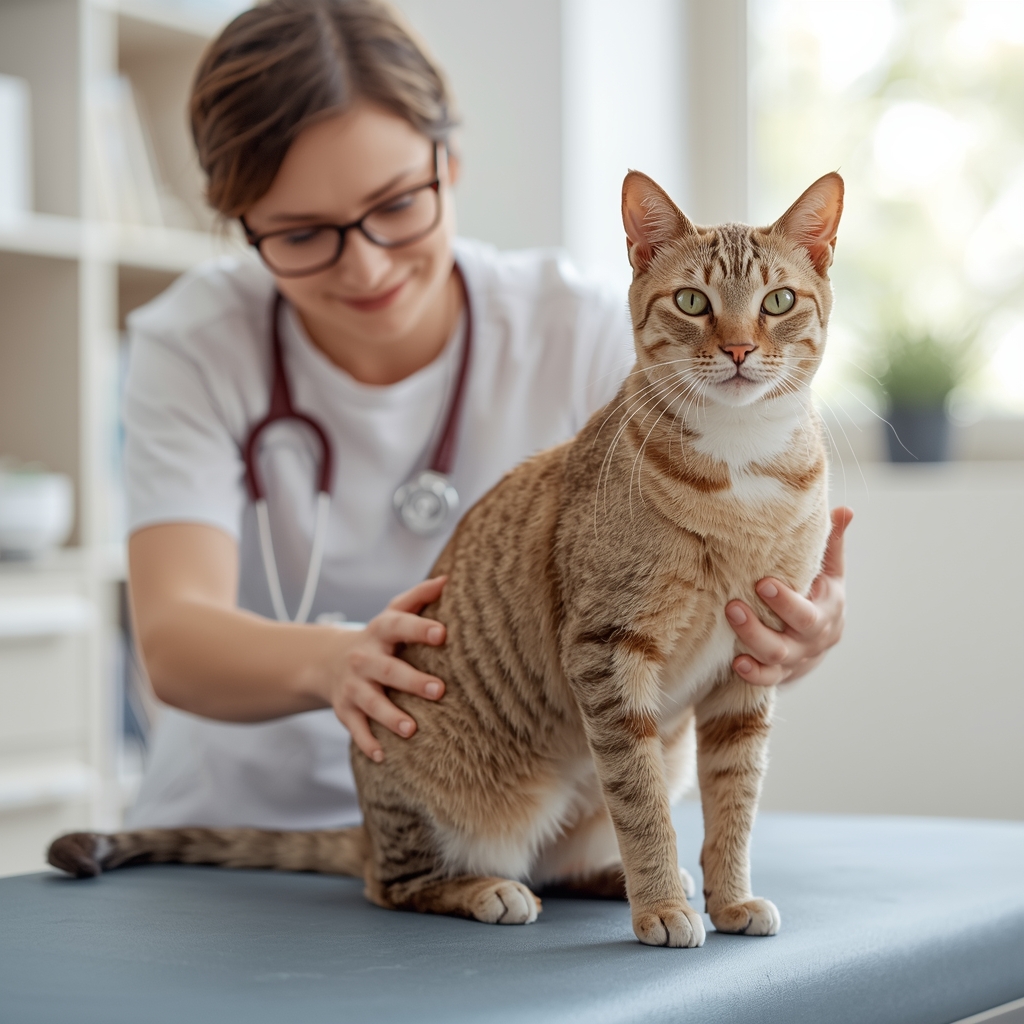
Understanding Arthritis in Senior Cats
Arthritis is a common condition in senior cats, causing joint pain, stiffness, and reduced mobility. As cats age, cartilage degeneration and inflammation can limit their ability to move comfortably. While veterinary care is essential, many pet owners explore complementary approaches like animal chiropractic to support their feline companions. Chiropractic techniques aim to restore joint function, alleviate discomfort, and improve overall quality of life. However, these methods should always be performed by a qualified professional trained in animal chiropractic care to ensure safety and effectiveness.
Common Chiropractic Techniques for Joint Mobility
Animal chiropractors use gentle, non-invasive techniques to address musculoskeletal issues in cats. Spinal adjustments are a cornerstone of treatment, focusing on realigning vertebrae to reduce nerve irritation and improve mobility. Soft tissue therapies, such as myofascial release, may also be employed to ease muscle tension around affected joints. These methods work by stimulating the body’s natural healing processes and promoting better movement. While results vary, many cats show improved flexibility and reduced discomfort after consistent care. It’s important to note that these techniques are not a substitute for veterinary diagnosis but can complement traditional treatments.
The Role of Spinal Adjustments in Feline Care
Spinal adjustments are a key component of animal chiropractic, particularly for cats with arthritis. By correcting misalignments in the spine, these adjustments can relieve pressure on nerves and joints, potentially reducing pain and improving range of motion. The process involves precise, low-force manipulations tailored to the cat’s anatomy. For senior cats, this approach is often gentler than traditional medical interventions, making it a popular choice for pet owners seeking holistic options. However, the effectiveness depends on the practitioner’s expertise and the cat’s individual condition. Regular sessions may be recommended to maintain long-term benefits, but a qualified chiropractor should always guide the treatment plan.
Soft Tissue and Muscle Work for Arthritic Cats
Soft tissue therapies are often used alongside spinal adjustments to address muscle stiffness and joint inflammation in arthritic cats. Techniques like myofascial release and trigger point therapy help relax tight muscles, improve circulation, and reduce pain. These methods are especially beneficial for cats with limited mobility, as they can enhance joint function without invasive procedures. When performed by a trained professional, soft tissue work is safe and minimally uncomfortable for cats. It’s often combined with other chiropractic strategies to provide comprehensive care. Pet owners should ensure their chosen practitioner has experience with felines, as cats have unique anatomical needs compared to dogs or humans.
Combining Chiropractic with Other Therapies
Chiropractic care for senior cats with arthritis is often most effective when integrated with other supportive treatments. Physical therapy exercises, weight management, and joint supplements may enhance the benefits of chiropractic adjustments. For example, controlled movement routines can strengthen muscles around affected joints, while proper nutrition supports overall joint health. Heat therapy or hydrotherapy might also be recommended to ease stiffness. However, all additional therapies should be discussed with a veterinarian to avoid conflicts with existing treatments. A multidisciplinary approach ensures that the cat receives well-rounded care, addressing both structural and systemic factors contributing to mobility challenges.
Consulting a Qualified Animal Chiropractor
When considering chiropractic care for a senior cat with arthritis, it’s crucial to seek a licensed professional with experience in animal chiropractic. Certification from recognized organizations ensures the practitioner adheres to safety and ethical standards. During the initial consultation, the chiropractor will evaluate the cat’s condition, medical history, and mobility issues to create a personalized plan. Regular follow-ups allow for adjustments to the treatment strategy as needed. Pet owners should monitor their cat’s response to care and communicate any concerns to the provider. While chiropractic techniques can offer significant relief, they are most effective when part of a broader, veterinarian-supervised care regimen.













