
Understanding Degenerative Joint Disease in Horses
Degenerative joint disease (DJD), often referred to as arthritis, is a common condition affecting horses, particularly as they age. It involves the gradual breakdown of cartilage in joints, leading to pain, stiffness, and reduced mobility. This condition can significantly impact a horse’s quality of life, making everyday activities like movement and exercise challenging. While traditional treatments focus on managing symptoms, many horse owners and veterinarians are exploring complementary approaches like chiropractic care to address the root causes of discomfort. Chiropractic interventions aim to restore balance to the musculoskeletal system, offering a holistic option for improving joint function and overall well-being in affected horses.
The Role of Spinal Adjustments
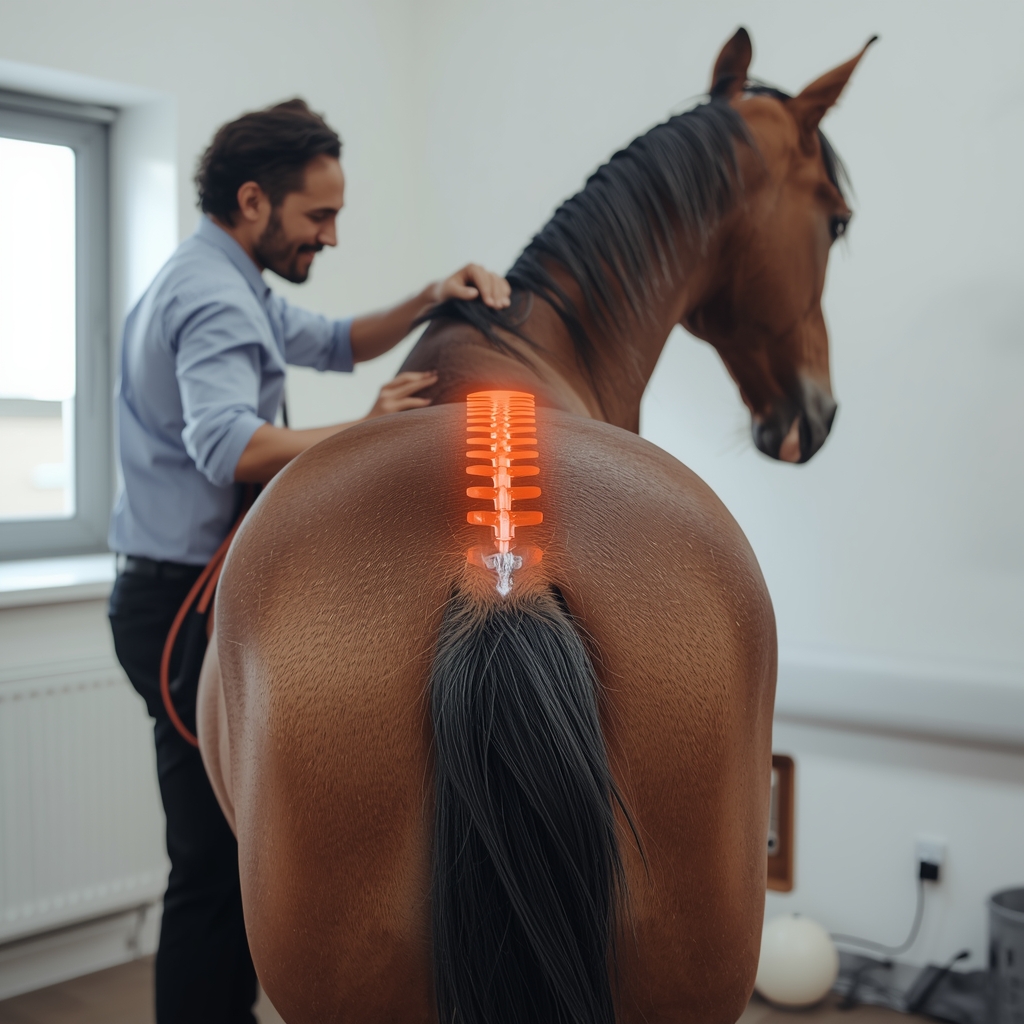
Spinal adjustments are a cornerstone of chiropractic care for horses, focusing on realigning the vertebrae to alleviate pressure on nerves and muscles. When a horse develops DJD, compensatory movements and postural changes can create additional stress on the spine and surrounding structures. By gently manipulating the spine, chiropractors help restore proper alignment, which may reduce pain and improve joint mobility. This process can also enhance the horse’s range of motion, allowing for more comfortable movement. While not a cure, spinal adjustments are often used alongside other therapies to support the horse’s natural healing processes and maintain a higher level of function.
How Mobility Exercises Support Joint Health
Mobility exercises play a vital role in managing degenerative joint disease in horses by maintaining flexibility and preventing further stiffness. These exercises, when tailored to the horse’s specific needs, can help preserve joint function and reduce discomfort. Activities such as controlled stretching, low-impact movement routines, and targeted physical therapy exercises are commonly recommended. By promoting circulation and muscle engagement, mobility work can ease tension in affected joints and support the benefits of spinal adjustments. However, it is essential to approach these exercises with caution, as improper techniques may exacerbate existing issues. A qualified equine chiropractor can guide horse owners in developing a safe and effective mobility plan.
Combining Adjustments and Exercises for Optimal Results
The integration of spinal adjustments and mobility exercises offers a comprehensive approach to managing degenerative joint disease in horses. Spinal adjustments address structural imbalances, while mobility exercises focus on maintaining and improving joint function. Together, these strategies can create a synergistic effect, enhancing the horse’s comfort and ability to move freely. For example, after an adjustment, targeted exercises may help reinforce the spine’s new alignment and strengthen supporting muscles. This combined approach not only supports the horse’s physical health but also contributes to their mental well-being by reducing pain and improving overall quality of life. Regular sessions with a skilled chiropractor ensure that both interventions are tailored to the horse’s unique condition and progress.
Why Professional Guidance is Essential
While spinal adjustments and mobility exercises can benefit horses with DJD, they should always be performed under the supervision of a qualified equine chiropractor. Each horse’s condition is unique, and improper techniques may cause harm or fail to address underlying issues. A professional can conduct a thorough assessment to determine the most appropriate interventions and monitor the horse’s response over time. They can also recommend modifications to the care plan as needed, ensuring safety and effectiveness. Additionally, equine chiropractors often collaborate with veterinarians to provide a well-rounded approach to the horse’s health. This partnership helps ensure that all aspects of the horse’s well-being are considered, from pain management to long-term mobility support.
Conclusion: Enhancing Quality of Life Through Chiropractic Care
For horses suffering from degenerative joint disease, chiropractic care offers a valuable tool for improving mobility and comfort. Spinal adjustments and mobility exercises work in tandem to address the physical and functional challenges associated with this condition. By restoring balance to the musculoskeletal system and promoting joint health, these interventions can help horses maintain an active, pain-free lifestyle. However, the success of such treatments depends on the expertise of a trained professional. Horse owners are encouraged to consult with a qualified equine chiropractor to explore how these approaches might benefit their animals. With the right care, many horses can experience significant improvements in their quality of life, allowing them to move with greater ease and enjoyment.












