
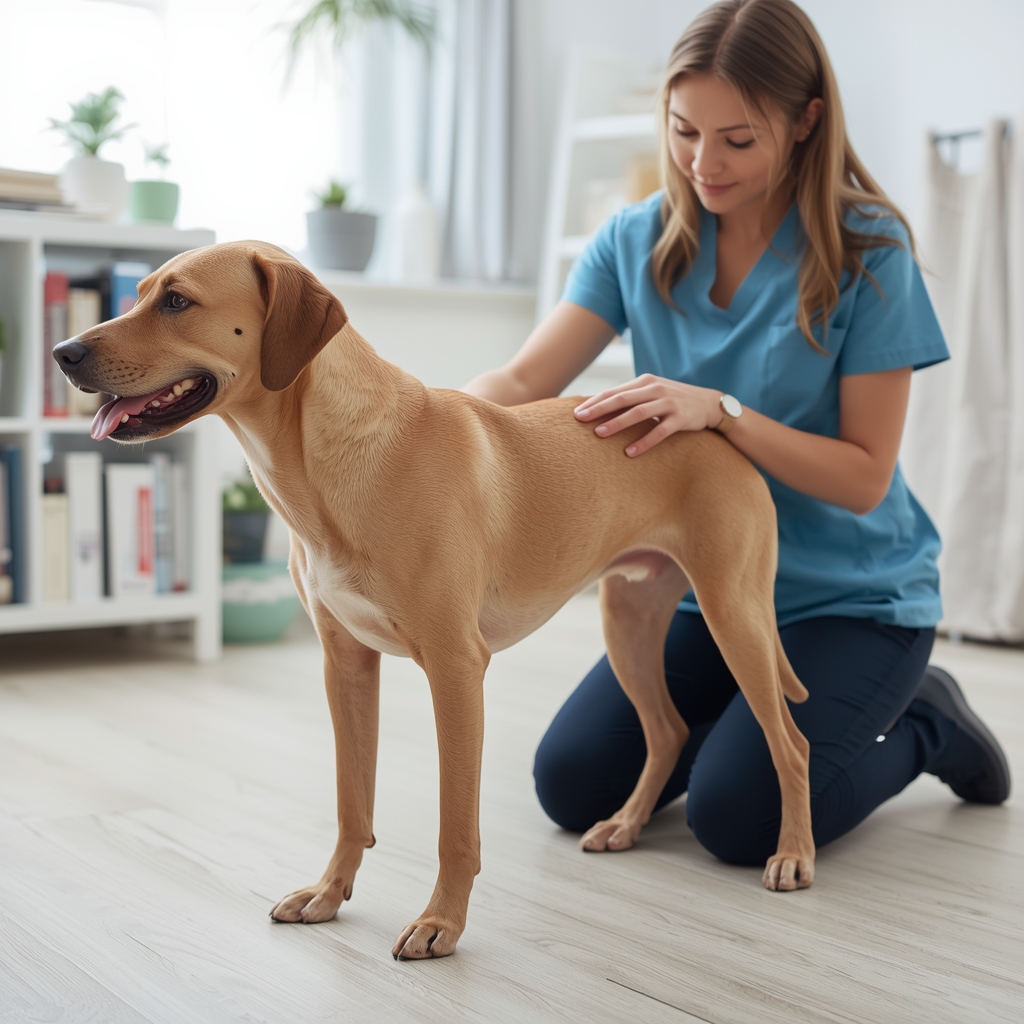
Understanding Degenerative Joint Disease in Senior Dogs
Degenerative joint disease (DJD), often referred to as osteoarthritis, is a common condition in senior dogs that causes pain, stiffness, and reduced mobility. As dogs age, wear and tear on their joints can lead to inflammation and cartilage breakdown, making everyday activities like walking or climbing stairs uncomfortable. While veterinary care typically focuses on medication and lifestyle adjustments, chiropractic care offers a complementary approach to manage symptoms. Spinal adjustments and targeted mobility exercises may help alleviate discomfort by improving joint function and promoting natural healing. It’s important to note that these methods should always be discussed with a qualified veterinarian or animal chiropractor to ensure they align with the dog’s specific needs. By addressing both structural and functional aspects of the musculoskeletal system, chiropractic care can support a senior dog’s quality of life.
Spinal Adjustments for Joint Health
Spinal adjustments, a core component of chiropractic care, aim to restore proper alignment and movement to the spine, which can indirectly benefit joints throughout the body. In senior dogs with DJD, misalignments in the spine may contribute to uneven weight distribution or nerve irritation, exacerbating joint pain. A trained animal chiropractor uses gentle, controlled forces to realign the vertebrae, potentially reducing pressure on affected joints and improving overall mobility. These adjustments are typically non-invasive and tailored to the dog’s comfort level. While research on their effectiveness for DJD in dogs is limited, many pet owners report improved flexibility and reduced discomfort after regular sessions. It’s crucial to seek a certified professional with experience in animal chiropractic to ensure safety and optimal outcomes. Spinal adjustments are most effective when combined with other supportive care strategies.
Mobility Exercises to Support Joint Function
Mobility exercises can play a vital role in managing DJD in senior dogs by maintaining joint flexibility and strengthening supporting muscles. Low-impact activities such as controlled walks, swimming, or gentle stretching routines may help keep joints supple without overexertion. These exercises should be introduced gradually and monitored closely to avoid strain. For example, range-of-motion exercises—where a caregiver gently moves a dog’s limbs through their natural motion—can prevent stiffness and improve circulation. Some chiropractors may also recommend specific corrective exercises to address imbalances caused by joint degeneration. While these movements are generally safe, they should be guided by a professional to ensure they’re appropriate for the dog’s condition. Consistency is key, as regular, moderate activity can contribute to long-term comfort and mobility for aging pets.
Combining Adjustments and Exercises for Optimal Results
Integrating spinal adjustments with targeted mobility exercises often yields the best outcomes for senior dogs with DJD. Adjustments can address structural imbalances that may contribute to joint pain, while exercises reinforce joint stability and muscle support. For instance, a chiropractor might recommend a series of gentle stretches following an adjustment to enhance the benefits of the session. This combined approach can also help prevent further deterioration by maintaining proper biomechanics. However, the specific techniques and frequency should be determined by a qualified animal chiropractor, as each dog’s needs vary. Over time, this synergy may reduce reliance on medication and improve the dog’s overall comfort. Pet owners should remain observant of their dog’s response to these interventions and communicate any changes to their care team. Regular follow-ups ensure the plan remains effective and adaptable as the dog’s condition evolves.
Safety Considerations and Professional Guidance
While chiropractic care and mobility exercises can benefit senior dogs with DJD, safety must always be the priority. Not all dogs are suitable candidates for spinal adjustments, particularly those with severe joint damage, fractures, or other underlying health issues. A thorough veterinary evaluation is essential before initiating any chiropractic treatment. Pet owners should also be cautious of unqualified practitioners, as improper techniques could worsen the dog’s condition. When working with a certified animal chiropractor, open communication about the dog’s symptoms, medical history, and progress is critical. Additionally, mobility exercises should be tailored to the dog’s abilities to avoid injury. Regular monitoring and adjustments to the care plan ensure that the dog receives the most effective and safest support. Ultimately, a collaborative approach between the pet owner, veterinarian, and chiropractor is key to managing DJD successfully.
Conclusion: Supporting Senior Dogs with Holistic Care
Managing degenerative joint disease in senior dogs requires a multifaceted approach that prioritizes comfort and mobility. Spinal adjustments and mobility exercises, when administered by qualified professionals, can complement traditional veterinary care by addressing both structural and functional aspects of the musculoskeletal system. These methods may help reduce pain, improve joint function, and enhance the dog’s quality of life. However, they should never replace professional medical advice but rather serve as part of a comprehensive care plan. Pet owners are encouraged to consult with their veterinarian and a certified animal chiropractor to explore these options and determine the best course of action for their senior dog. With patience, consistency, and expert guidance, many dogs can maintain a more active and comfortable lifestyle as they age.













