
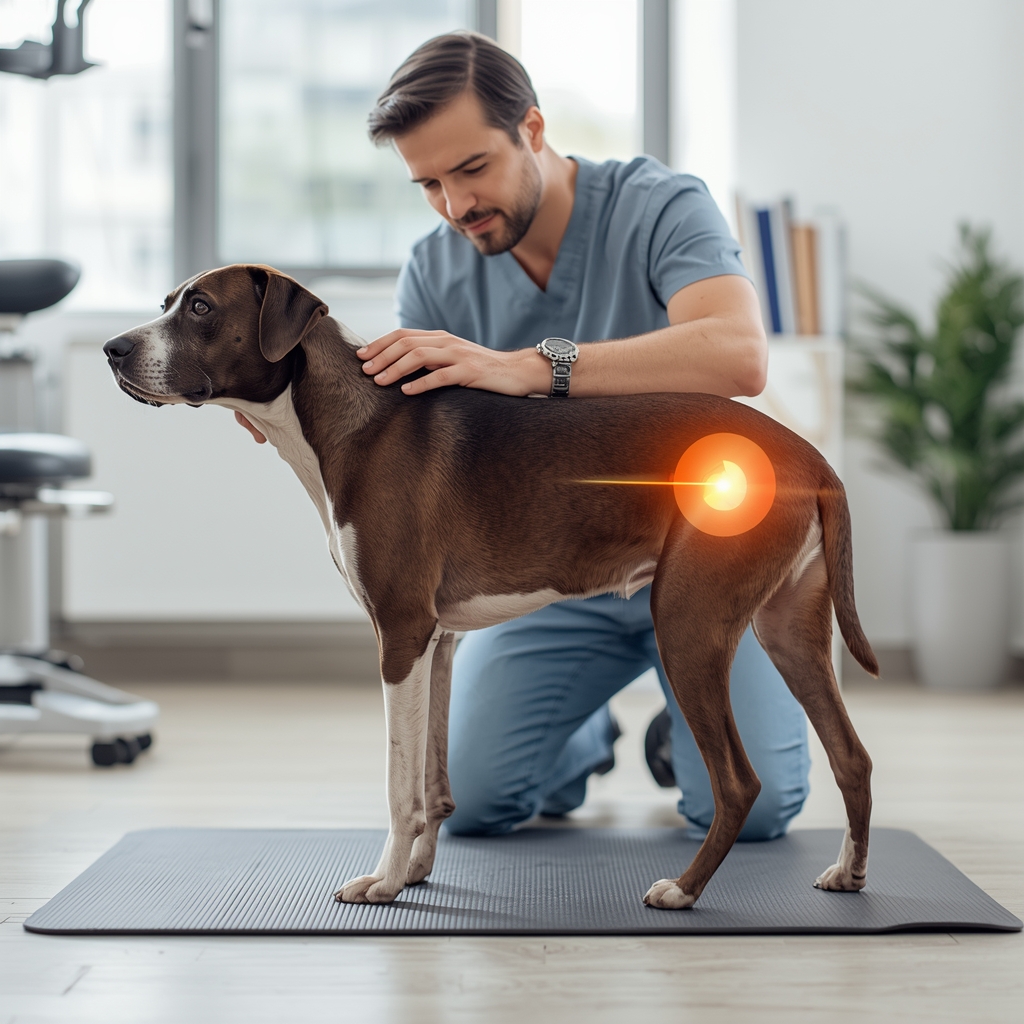
Understanding Hip Dysplasia in Dogs
Hip dysplasia is a common musculoskeletal condition in dogs, characterized by abnormal development of the hip joint. This can lead to joint instability, pain, and reduced mobility, particularly in larger breeds. The condition often manifests as lameness, difficulty rising, or reluctance to exercise. While genetics play a role, factors like rapid growth, obesity, and improper nutrition may exacerbate symptoms. Early detection and management are crucial to maintaining a dog’s quality of life. Chiropractic care is one approach that may support dogs with hip dysplasia by addressing spinal alignment and nerve function, which can indirectly influence joint health and mobility.
The Role of Spinal Adjustments
Spinal adjustments performed by a qualified animal chiropractor aim to restore proper alignment of the vertebrae, which can alleviate pressure on nerves and improve overall musculoskeletal function. For dogs with hip dysplasia, misalignments in the spine or pelvis may contribute to uneven weight distribution or compensatory movement patterns. By correcting these imbalances, adjustments may reduce pain, enhance joint stability, and promote more natural movement. However, it is important to note that chiropractic care is not a standalone treatment but part of a broader strategy. A veterinarian or certified animal chiropractor can assess whether adjustments are appropriate for a specific dog’s condition and develop a tailored plan.
Mobility Exercises for Dogs with Hip Dysplasia
Low-impact mobility exercises can help dogs with hip dysplasia maintain muscle strength and joint flexibility. Activities like controlled walking, swimming, or gentle stretching routines may improve circulation and reduce stiffness. These exercises should be guided by a professional to ensure they are safe and effective for the dog’s specific needs. For example, hydrotherapy provides resistance without straining the joints, while targeted stretches can enhance range of motion. Consistency is key, but overexertion should be avoided to prevent further discomfort. Combining these exercises with chiropractic care may create a synergistic effect, supporting the dog’s ability to move more comfortably and confidently.
Combining Chiropractic Care with Other Treatments
Managing hip dysplasia often requires a multifaceted approach. Chiropractic adjustments may complement other therapies such as physical rehabilitation, weight management, and anti-inflammatory medications. For instance, maintaining a healthy weight reduces stress on the hips, while physical therapy can strengthen supporting muscles. Some dogs may also benefit from supplements like glucosamine or chondroitin, which support joint health. It is essential to work with a veterinary team to coordinate these treatments, as each dog’s condition and response to care can vary. A holistic plan that integrates chiropractic care with these strategies can maximize the dog’s comfort and mobility over time.
Monitoring Progress and Adjusting Care
Regular evaluations are critical to assessing how a dog with hip dysplasia responds to chiropractic and mobility interventions. Owners should observe changes in the dog’s gait, energy levels, or willingness to move. If improvements are seen, the care plan may remain stable or be adjusted gradually. Conversely, if discomfort persists or worsens, the approach may need reevaluation. Follow-up appointments with a chiropractor or veterinarian help track progress and make necessary modifications. Open communication between the pet owner and healthcare providers ensures that the dog receives the most effective and compassionate care possible, adapting to their evolving needs.
When to Consult a Professional
If a dog shows signs of hip dysplasia, it is important to seek guidance from a qualified veterinary professional with experience in animal chiropractic care. Not all dogs will benefit from adjustments, and improper techniques could cause harm. A thorough examination, including imaging if needed, can determine the best course of action. Pet owners should also discuss any existing medical conditions or medications that might influence treatment options. Chiropractic care for dogs is most effective when integrated into a comprehensive care plan, tailored to the individual animal’s health and lifestyle. By working with experts, owners can help their pets maintain comfort and mobility throughout their lives.














