
Understanding Hip Dysplasia in Dogs
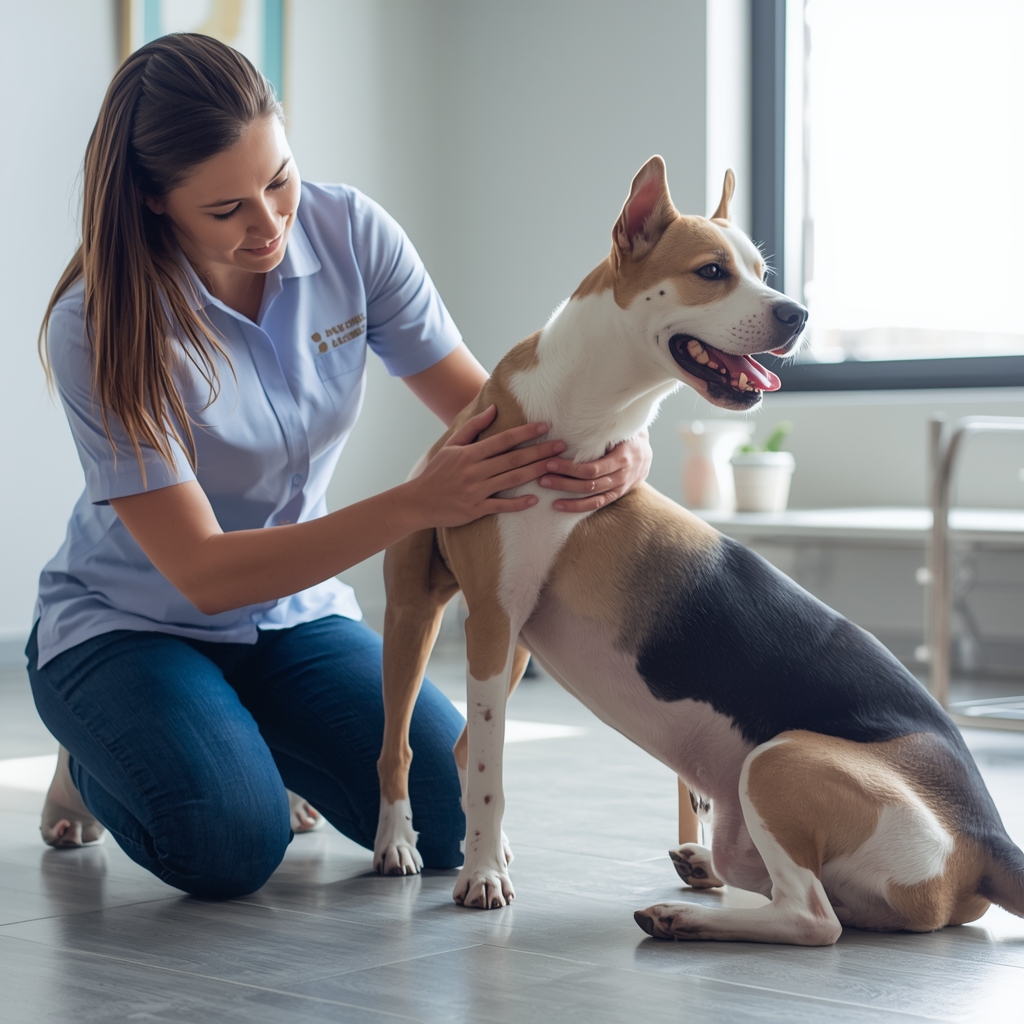
Hip dysplasia is a common orthopedic condition affecting dogs, particularly larger breeds, where the hip joint doesn’t develop properly. This can lead to joint instability, pain, and mobility issues. While genetics and environment play roles, early intervention is key to managing symptoms. Chiropractic care offers a non-invasive approach to support joint function and alleviate discomfort. By addressing spinal alignment and musculoskeletal imbalances, chiropractors aim to improve mobility and quality of life for affected dogs. It’s important to note that treatments should always be tailored to the individual animal’s needs and supervised by a qualified veterinary chiropractor.
Spinal Adjustments for Hip Dysplasia
Spinal adjustments in dogs with hip dysplasia focus on restoring proper alignment to the spine and pelvis, which can reduce pressure on affected joints. Techniques like diversified adjustments or low-force methods are commonly used to enhance joint mobility and nerve function. These adjustments may help alleviate pain and improve the dog’s range of motion. However, the intensity and approach vary based on the dog’s size, age, and overall health. For example, smaller breeds may require gentler manipulations, while larger dogs might benefit from more targeted adjustments. Chiropractors often combine these techniques with soft tissue work to address muscle tension around the hips and spine.
Mobility Exercises to Complement Care
Low-impact mobility exercises can reinforce the benefits of chiropractic adjustments by strengthening muscles and improving joint stability. Activities like controlled walking, swimming, and gentle stretching routines are often recommended. These exercises help maintain flexibility without straining the hip joint. For dogs with limited mobility, hydrotherapy or treadmill walking with harness support may be beneficial. Owners should avoid high-impact activities, such as jumping or running, which could worsen joint stress. A chiropractor can design a customized exercise plan based on the dog’s condition, ensuring it aligns with their treatment goals and physical capabilities.
Tailoring Treatments to Breed-Specific Needs
Chiropractors consider breed characteristics when developing treatment plans for hip dysplasia. Large breeds, such as German Shepherds or Golden Retrievers, often require more robust support due to their weight and joint structure, while smaller breeds like Poodles or Beagles may need more delicate adjustments. Genetic predispositions and body conformation also influence how a dog responds to care. For instance, a Boxer’s muscular build might necessitate different techniques than a Basset Hound’s longer spine. Regular assessments allow chiropractors to adapt their approach, ensuring treatments remain effective and safe for each dog’s unique physiology.
The Role of Holistic and Preventive Care
Chiropractic care for hip dysplasia is most effective when integrated with other holistic strategies. Nutritional support, weight management, and complementary therapies like acupuncture or cold laser treatment can enhance outcomes. Preventive measures, such as maintaining a healthy weight and avoiding excessive strain on joints, are also critical. Chiropractors often collaborate with veterinarians to create comprehensive care plans that address both structural and systemic factors. By focusing on long-term wellness, this approach aims to slow disease progression and improve the dog’s comfort. Regular check-ups allow for early detection of changes, enabling timely adjustments to the treatment strategy.
Consulting a Veterinary Chiropractor
Every dog’s condition is unique, and chiropractic care should always be guided by a licensed veterinary chiropractor. These professionals are trained to assess musculoskeletal health and develop personalized treatment protocols. Owners should seek practitioners with experience in canine care to ensure safety and effectiveness. Initial evaluations typically include a thorough physical exam and discussion of the dog’s medical history. Follow-up visits allow for monitoring progress and making necessary adjustments. While chiropractic care can provide significant relief, it’s not a substitute for veterinary medical advice. Always consult a qualified provider to determine the best course of action for your dog’s specific needs.















