
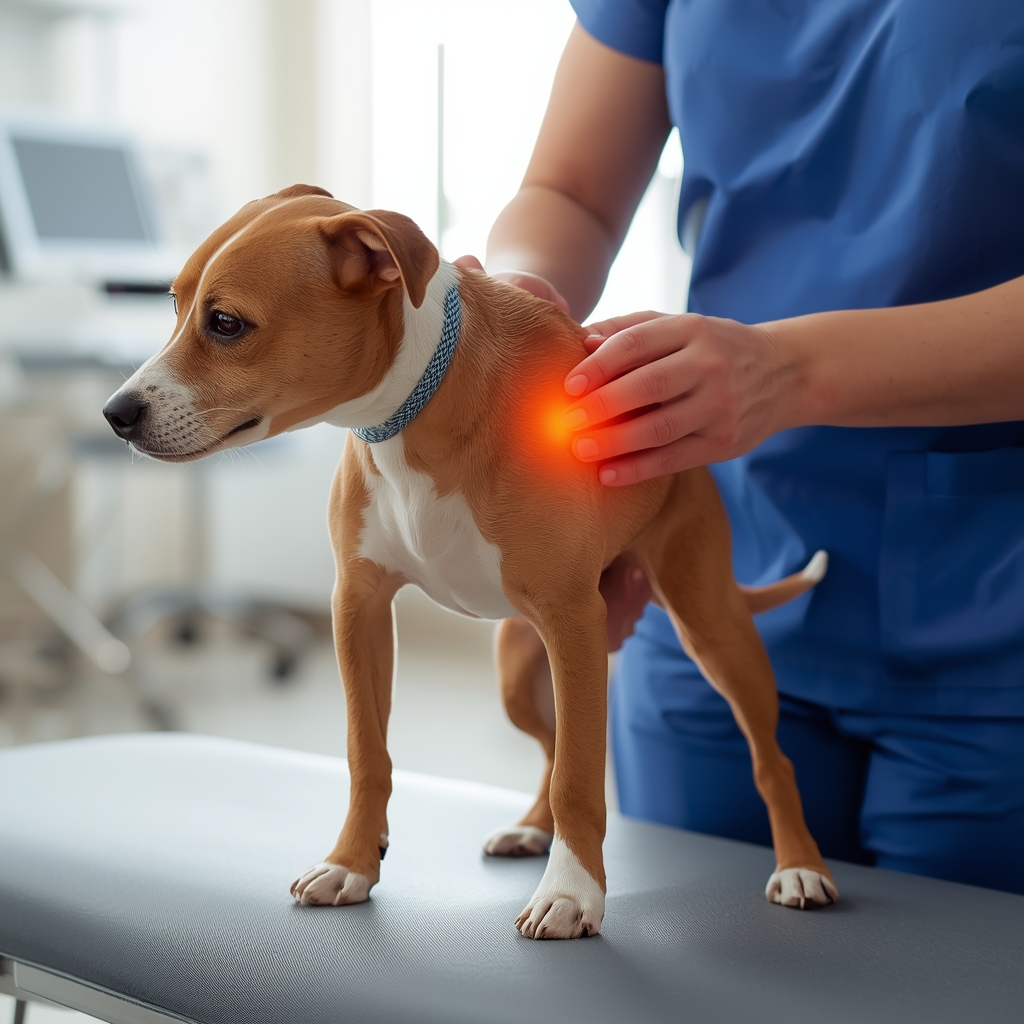
Understanding Hip Dysplasia in Small Breed Dogs
Hip dysplasia is a common musculoskeletal condition affecting small breed dogs, characterized by abnormal development of the hip joint. This condition can lead to joint instability, pain, and reduced mobility, often worsening with age. While genetic factors play a significant role, environmental influences such as rapid growth, obesity, and improper exercise can exacerbate symptoms. Small breeds like Pomeranians, Chihuahuas, and Shih Tzus are particularly prone due to their size and skeletal structure. Early detection through veterinary exams and imaging is crucial for managing the condition effectively. While treatment options include medication, physical therapy, and surgery, many pet owners explore complementary approaches like chiropractic care to support their dog’s comfort and quality of life.
The Role of Chiropractic Care in Managing Hip Dysplasia
Chiropractic care focuses on the relationship between the spine and nervous system, aiming to restore proper alignment and function. For dogs with hip dysplasia, spinal adjustments may help alleviate pain and improve joint mobility by addressing misalignments that contribute to discomfort. A chiropractor may evaluate the entire musculoskeletal system, including the pelvis, spine, and surrounding muscles, to identify areas of restriction. By gently manipulating these regions, adjustments can reduce pressure on nerves and promote better communication between the brain and body. This holistic approach may complement traditional treatments, offering a non-invasive option to manage symptoms. However, it is essential to consult a qualified veterinary chiropractor who specializes in small animals to ensure safe and effective care tailored to the dog’s specific needs.
Safe and Effective Spinal Adjustments for Hip Dysplasia
When addressing hip dysplasia, chiropractors typically focus on the lumbar spine, sacrum, and pelvis, as these areas are closely linked to hip joint function. Gentle, low-force techniques such as diversified adjustments, activator methods, or mobilization are often used to avoid causing additional stress to the dog’s delicate joints. These adjustments aim to restore normal movement patterns and reduce compensatory postures that may worsen the condition. For small breed dogs, the chiropractor will use modified techniques to accommodate their size and sensitivity. It is critical that the practitioner has experience with canine patients to ensure precision and safety. Regular sessions may help maintain alignment and prevent further deterioration, but the frequency and duration of care should be determined by a professional based on the dog’s progress and overall health.
Safety Considerations for Chiropractic Treatments in Dogs
While chiropractic care can be beneficial, it is not without risks, especially for dogs with pre-existing conditions. Safety begins with a thorough veterinary evaluation to rule out severe joint damage or other contraindications. A qualified veterinary chiropractor will perform a comprehensive assessment before any adjustments, ensuring the dog is a suitable candidate. Techniques must be tailored to the individual, with particular attention to the dog’s pain levels and comfort. Overly aggressive manipulations can cause harm, so practitioners must use gentle, controlled movements. Owners should monitor their pets for any adverse reactions, such as increased pain or lethargy, and report them immediately. It is also important to integrate chiropractic care with other treatments recommended by a veterinarian, rather than relying on it as a standalone solution. This collaborative approach helps minimize risks and maximizes the potential benefits for the dog’s well-being.
When to Seek Professional Guidance for Your Dog’s Care
If a dog exhibits signs of hip dysplasia, such as limping, difficulty rising, or reluctance to exercise, owners should consult a veterinarian promptly. A vet can provide a diagnosis and recommend a treatment plan that may include chiropractic care. While some pet owners may consider self-administered adjustments or alternative therapies, these should never replace professional medical advice. A certified veterinary chiropractor can design a customized care strategy that aligns with the dog’s specific condition and lifestyle. It is also essential to discuss any existing health issues or medications with the chiropractor to avoid interactions or complications. Regular follow-ups with both the vet and chiropractor ensure that the dog’s progress is monitored and adjustments are made as needed. By working with qualified professionals, pet owners can make informed decisions that prioritize their dog’s health and comfort.
Integrating Chiropractic Care with Other Treatment Approaches
Chiropractic care is most effective when used as part of a comprehensive treatment plan for hip dysplasia. This may include weight management, controlled exercise, and physical therapy to strengthen the muscles around the hip joint. Medications or supplements prescribed by a veterinarian can also support joint health and reduce inflammation. In some cases, surgery may be necessary to correct severe deformities, but chiropractic adjustments can aid in post-operative recovery by improving mobility and reducing stiffness. Owners should maintain open communication with their vet and chiropractor to coordinate care and avoid conflicting treatments. By combining chiropractic techniques with other evidence-based methods, pet owners can provide their dogs with the best possible support for long-term mobility and quality of life. Regular assessments ensure that the treatment plan remains effective and adapts to the dog’s evolving needs.














