
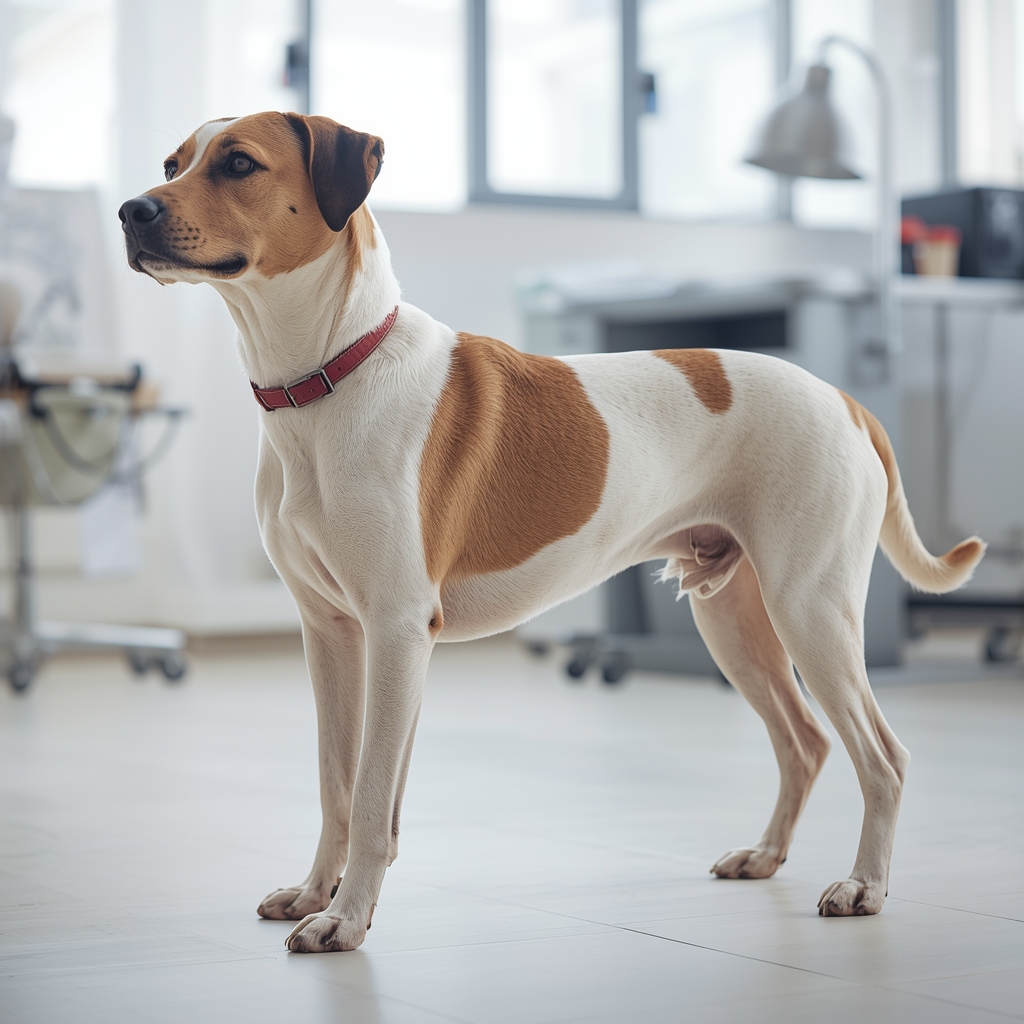
Understanding Hip Dysplasia in Dogs
Hip dysplasia is a common developmental condition in dogs where the hip joint doesn't form properly, leading to instability, pain, and arthritis. It often affects large breeds like German Shepherds or Golden Retrievers but can occur in any size. Symptoms include lameness, difficulty rising, and reduced activity. While genetics play a role, environmental factors like rapid growth or excessive weight can exacerbate the issue. Early detection through veterinary exams is critical. Chiropractic care may complement traditional treatments by addressing musculoskeletal imbalances, but it should never replace professional veterinary care. Owners should always consult a licensed veterinarian before pursuing any alternative therapies.
The Role of Chiropractic Care in Hip Dysplasia
Chiropractic care for dogs focuses on aligning the spine and joints to improve mobility and reduce pain. In cases of hip dysplasia, adjustments may help alleviate pressure on affected areas and enhance joint function. Techniques like gentle mobilizations or soft tissue work can support the body’s natural healing processes. However, the goal is not to “fix” the condition but to manage symptoms and improve quality of life. Chiropractors trained in animal care use modified methods suited for canine anatomy, avoiding forceful manipulations. This approach works best alongside conventional treatments like medication or surgery, under the guidance of a veterinary professional.
Breed-Specific Adjustments and Safety
Adjustments for hip dysplasia vary by breed due to differences in size, structure, and genetic predispositions. Larger breeds may require more cautious techniques to avoid further joint strain, while smaller dogs might benefit from gentler interventions. A skilled animal chiropractor evaluates each dog’s unique needs, considering factors like age, weight, and severity of the condition. For example, puppies with early signs might receive mild adjustments to support proper development, while older dogs may focus on pain management. Safety is paramount—techniques must avoid high-impact thrusts or excessive force. Regular communication between the chiropractor and the dog’s veterinarian ensures adjustments remain appropriate and effective.
Safety Considerations for Canine Chiropractic Care
Chiropractic care for dogs is generally safe when performed by a qualified professional, but risks exist if not done correctly. Improper adjustments can worsen joint instability or cause injury, especially in dogs with severe dysplasia. It’s essential to seek a chiropractor with specialized training in veterinary care, as techniques differ from those used in humans. Before starting treatment, a thorough veterinary examination is necessary to rule out other conditions or contraindications. Owners should monitor their dogs for adverse reactions, such as increased pain or lethargy, and report them immediately. Chiropractic care should always be part of a broader treatment plan, not a standalone solution, to ensure the dog’s overall well-being.
Integrating Chiropractic Care with Veterinary Treatment
Collaboration between chiropractors and veterinarians is key to effective hip dysplasia management. Veterinarians can provide diagnoses, recommend medical treatments, and monitor the dog’s progress, while chiropractors address musculoskeletal imbalances. This integrated approach may include physical therapy, weight management, and controlled exercise alongside adjustments. For instance, a dog undergoing surgery for hip dysplasia might benefit from post-operative chiropractic care to support recovery. Regular check-ins between providers ensure treatments align and avoid conflicts. Owners should maintain open communication, sharing updates on their dog’s behavior, mobility, and comfort levels to optimize outcomes.
Conclusion: A Holistic Approach to Canine Hip Health
Chiropractic care can play a supportive role in managing hip dysplasia by improving joint function and reducing discomfort. However, its effectiveness depends on proper implementation by trained professionals and integration with veterinary care. Breed-specific considerations, safety protocols, and ongoing monitoring are essential to avoid complications. While not a cure, chiropractic adjustments may enhance a dog’s mobility and quality of life when used as part of a comprehensive plan. Owners should prioritize consulting licensed veterinarians and certified animal chiropractors to explore safe, personalized options for their pets’ unique needs.













