
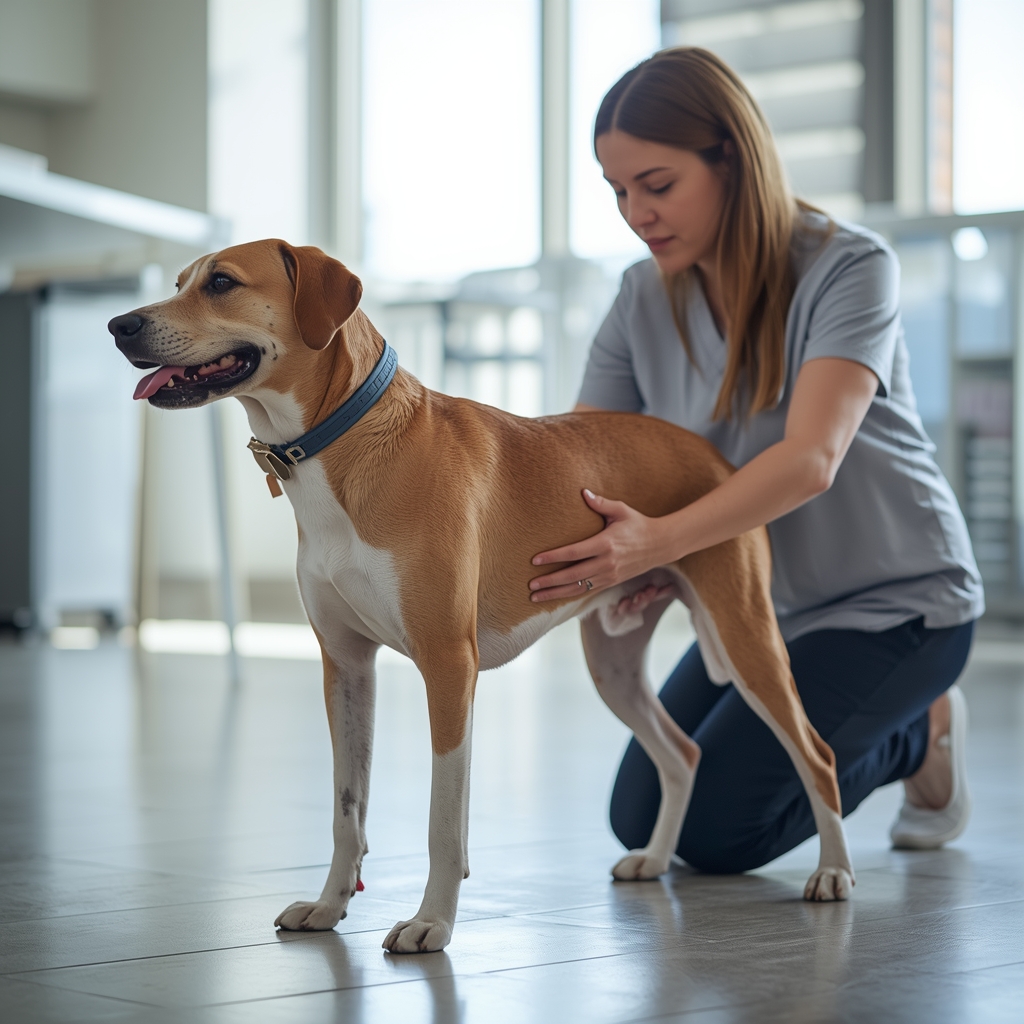
Understanding Hip Dysplasia in Large Dogs
Hip dysplasia is a common musculoskeletal condition affecting large dog breeds, characterized by abnormal development of the hip joint. This can lead to pain, reduced mobility, and arthritis over time. While genetics and nutrition play roles, environmental factors like excessive exercise or improper weight management can exacerbate the condition. Chiropractic care offers a non-invasive approach to support joint health and alleviate discomfort. By addressing spinal alignment and nerve function, chiropractors aim to improve overall musculoskeletal balance, which may indirectly benefit the hips and surrounding structures.
How Spinal Manipulation Supports Joint Function
Targeted spinal manipulation involves gentle adjustments to restore proper alignment and mobility in the spine. In dogs with hip dysplasia, misalignments in the lumbar or sacral regions can contribute to uneven weight distribution and increased stress on the hips. By correcting these imbalances, chiropractors may reduce pressure on affected joints and enhance nerve communication between the spine and limbs. This can potentially improve muscle coordination and joint stability, supporting better movement patterns. While not a cure, this approach complements other treatments by addressing biomechanical factors that may worsen hip dysplasia symptoms.
Improving Mobility Through Joint Alignment
Proper spinal alignment is crucial for optimal nerve function and muscle activation. In dogs with hip dysplasia, misalignments can lead to compensatory movements that strain the hips and lower back. Chiropractic adjustments aim to restore natural movement in the spine, which may reduce pain and improve range of motion. By alleviating nerve interference, these adjustments can also enhance muscle control, helping dogs move more comfortably. Many pet owners report noticeable improvements in their dog’s gait or activity levels after consistent care. However, results vary, and a qualified chiropractor can tailor the approach to the dog’s specific needs and condition severity.
Recognizing Signs of Treatment Effectiveness
Owners may observe several indicators that chiropractic care is helping their dog with hip dysplasia. These include improved mobility, such as easier rising from a lying position or increased willingness to walk. A more balanced gait, reduced stiffness, or decreased vocalization during movement can also signal progress. Some dogs may show improved posture or a calmer demeanor due to reduced discomfort. It’s important to note that these signs often develop gradually and should be monitored over time. Regular follow-ups with a chiropractor help track changes and adjust the treatment plan as needed, ensuring the dog receives ongoing support for long-term mobility.
The Role of Professional Guidance in Canine Chiropractic Care
While chiropractic care can benefit dogs with hip dysplasia, it should always be administered by a licensed veterinary chiropractor with experience in canine patients. Each dog’s condition requires a personalized assessment to determine the appropriate techniques and frequency of adjustments. Overlooking proper training or using incorrect methods may lead to unintended harm. Pet owners should seek practitioners certified by recognized organizations and discuss their dog’s medical history before starting care. Combining chiropractic adjustments with other therapies, such as physical rehabilitation or dietary management, often yields the best outcomes. This collaborative approach ensures the dog receives comprehensive support for mobility and overall well-being.
Integrating Chiropractic Care Into a Holistic Treatment Plan
Chiropractic care is most effective when integrated with other treatments for hip dysplasia. This may include controlled exercise, weight management, and anti-inflammatory medications as recommended by a veterinarian. Physical therapy exercises, such as hydrotherapy or range-of-motion techniques, can further enhance mobility and muscle strength. Chiropractic adjustments may complement these efforts by addressing spinal and joint mechanics that impact the hips. Owners should maintain open communication with both their veterinarian and chiropractor to ensure all interventions align with the dog’s health needs. By combining approaches, pet owners can create a well-rounded strategy to manage hip dysplasia and improve their dog’s quality of life.













